

Understanding Ten Trade in Nigeria: Concepts and Impact
📦 Explore ten trade in Nigeria: its roots, use in informal markets, impact on small businesses, and role in cross-border deals shaping local commerce today 🇳🇬
Edited By
Amelia Foster
Peer-to-peer (P2P) transactions have become a major force shaping how Nigerians exchange money, trade goods, and access services without always relying on banks or traditional middlemen. This shift is especially visible in urban hubs like Lagos and Abuja, where everyday interactions involve fintech apps, mobile transfers, and direct exchanges between individuals.
At its core, a P2P transaction means two parties deal directly with one another. For example, when you use an app like OPay or PalmPay to send money to a friend’s phone account, without going through an official bank teller, that is a P2P transaction. Similarly, a trader on Jumia Nigeria selling a phone directly to a buyer and arranging payments via Transferwise or Paystack also involves P2P elements.
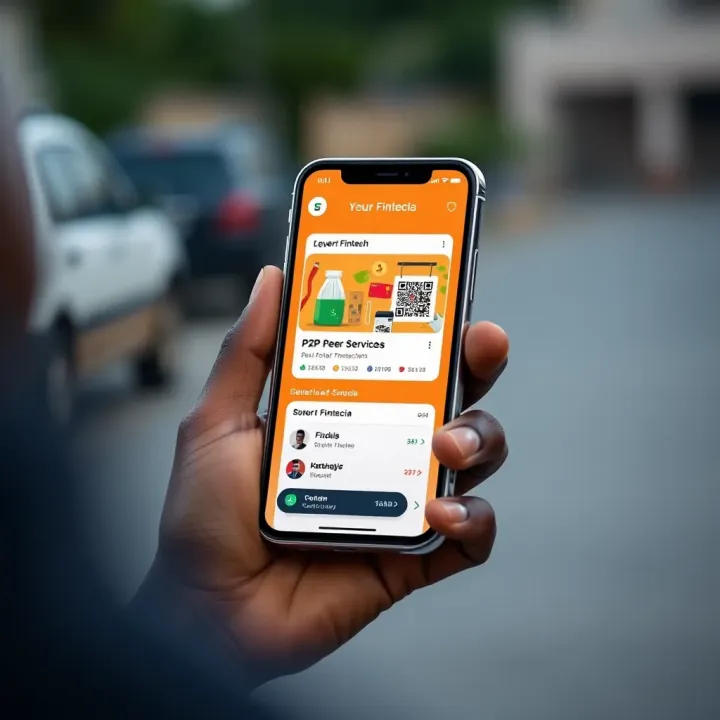
These transactions offer Nigerians several clear benefits:
Speed and convenience: Moving money or goods happens quickly without waiting on bank queues or complicated paperwork.
Lower costs: Fees are generally lower than using traditional banking or agencies.
Accessibility: People living in areas with limited bank branches can still send and receive funds easily.
P2P is not just about money; it covers sharing services or goods, making the informal economy more connected and more reliable through technology.
Of course, P2P dealings come with risks like potential fraud, mistaken payments, or lack of consumer protection, especially when trading goods. Fintech platforms have responded by implementing KYC (Know Your Customer) protocols and transaction monitoring to improve safety.
Understanding P2P transactions in Nigeria means appreciating how technology blends with local realities — including power supply challenges, fluctuating naira exchange rates, and a vibrant informal sector that depends on fast, accessible financial tools.
This article will explore these aspects, highlighting practical examples, the role of fintech platforms, regulatory measures, and tips for safe P2P transactions tailored to the Nigerian market.
Peer-to-peer transactions have shifted how Nigerians conduct financial and commercial activities, reducing reliance on traditional intermediaries like banks or brokers. In essence, P2P allows individuals to deal directly with each other, making it especially relevant in a country where quick access to formal banking can be patchy, and informal networks often thrive.
At its core, a peer-to-peer exchange involves two parties transacting directly without an intermediary taking charge of the deal. This could be sending money from one person’s mobile wallet directly to another’s, or trading goods without a merchant or retailer stepping in. For many Nigerians, this setup simplifies processes by allowing faster, more flexible transactions, particularly in communities where banks are scarce or paperwork gets cumbersome.
Traditional transactions usually require a central authority—banks, payment processors, or marketplaces—to manage the flow of money or goods. In contrast, P2P bypasses these middlemen, cutting down delays and costs. For example, instead of visiting a bank branch and filling forms for a transfer, a person can send money instantly via a fintech app like Kuda or OPay. However, the absence of middlemen also means users must be cautious about security and trust.
These are perhaps the most common form of P2P transactions, involving direct transfer of funds between individuals. For instance, a student in Lagos might send allowance money to siblings in a rural town via USSD codes or mobile apps without visiting a bank. This method reduces the need for cash withdrawals and physical trips, cutting costs and saving time.
Beyond cash transfers, Nigerians actively engage in P2P trading of items and services. An example is selling tokunbo electronics directly to buyers through WhatsApp groups or marketplaces without intermediaries. Similarly, freelance services—from web design to home repairs—often happen P2P, enabling individuals to negotiate and deliver work without agencies.
While many P2P deals now use digital platforms like PalmPay or Paystack, offline interactions remain strong. Buying akara from a mama put and paying with Naira notes or a direct bank transfer are part of everyday P2P commerce. Both forms coexist, offering Nigerians flexibility depending on infrastructure, trust, and convenience.
P2P transactions empower everyday Nigerians by cutting down barriers to financial access and exchange, but users must balance speed and cost savings with security awareness.
Understanding how peer-to-peer (P2P) transactions operate within Nigerian fintech platforms is key to grasping their growing appeal among traders, investors, and everyday users. These platforms lower barriers, enabling quick money exchanges without banks or intermediaries. By looking at popular apps, payment methods, and the transaction process, one can appreciate the convenience and limitations involved.
Mobile apps like OPay, PalmPay, and Kuda have become household names in Nigeria's fintech space. These apps provide users with interfaces that make sending and receiving money straightforward. For example, OPay not only allows P2P transfers but also integrates bill payments and transport bookings, making it multifunctional. PalmPay offers a rewards system that incentivises frequent transactions, while Kuda functions almost like a digital-only bank with no hidden fees. These platforms harness smartphone penetration, making P2P transactions accessible even for users outside major urban centres.
Besides apps, USSD codes remain a reliable channel for P2P transfers, especially for Nigerians without smartphones or consistent internet access. Dialling specific USSD commands linked to bank accounts or fintech wallets allows users to send money instantly by entering the recipient's phone number or account details. For instance, *389# for GTBank facilitates quick transfers without downloads. Bank-to-bank transfers using traditional methods like NIP (NIBSS Instant Payment) also support P2P exchanges, ensuring that users have options regardless of their device or data connectivity.
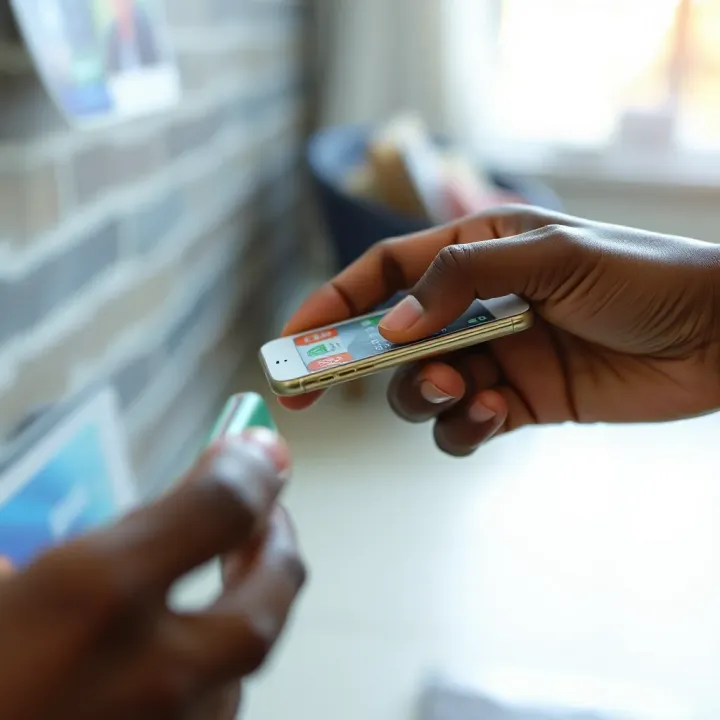
Digital wallets and POS terminals complement the P2P ecosystem. Digital wallets embedded in apps hold users' funds and can directly transfer money to other wallets, bank accounts, or merchant POS terminals. In markets or small businesses, POS terminals enable merchants to accept payments directly from customers’ wallets or bank cards, effectively turning everyday trade into a P2P transaction. This expands cashless trade beyond formal banking and into informal sectors where cash dominated before.
P2P transactions generally start with the user initiating a transfer via an app, USSD, or banking platform. This involves entering the recipient's details, the amount, and confirming with a PIN or biometric method. Confirmation screens provide details such as transaction charges and expected completion time. This initial verification is vital for preventing errors and fraud.
Once initiated, the transaction moves to settlement and reconciliation phases. The sending platform routes the payment through central switching systems like NIBSS, which verifies fund availability and performs instant settlement between banks or wallets. Reconciliation ensures that transaction records on both sender and recipient sides match and reflect updated balances without delay, usually within seconds.
In case of failures or disputes, Nigerian fintech platforms offer varied levels of customer support. Users can report transaction issues via app chatbots, call centres, or social media. Platforms investigate by tracing transaction logs and may reverse erroneous transfers or settle disputes. Understanding these processes guards against loss and builds trust in P2P methods, especially where financial literacy varies widely.
P2P transactions in Nigeria rely on a mix of mobile apps, USSD codes, and digital wallets, working seamlessly behind the scenes to offer fast, cashless exchanges vital to everyday trade and personal finance.
This blend of technologies and processes makes P2P transactions a backbone in Nigeria’s fast-expanding digital economy.
Peer-to-peer (P2P) transactions have reshaped how Nigerians handle money and trade, bringing tangible benefits particularly suited to our local market conditions. These benefits mainly revolve around financial inclusion, convenience, and cost savings—all important in a country where many still face barriers to formal banking.
Nigerians outside major cities, especially in rural areas, often lack access to traditional banks. P2P platforms bridge this gap by allowing people to send and receive money using just a mobile phone. Apps like OPay and Kuda enable individuals without bank accounts to participate in financial activities once reserved for the banked population. This inclusion has opened doors for small business owners, farmers, and traders to expand their reach and trade more securely.
Physical cash has always been king in Nigeria due to challenges like limited banking infrastructure and erratic power supply. However, carrying cash brings risks of theft and loss. P2P transactions reduce the need to carry large amounts of cash by enabling digital payments that settle instantly. This shift increases safety and helps reduce incidences of cash-related crimes. Many market traders now prefer to receive payments by mobile transfer, which also eases accounting and record-keeping.
P2P transfers often happen within seconds, even between different mobile networks or banks. Unlike traditional bank processes that might require hours or days to clear, platforms like PalmPay offer near-instant transfers accessible anywhere with mobile network coverage. This immediacy is crucial for urgent payments, like funding school fees or medical bills, where delays can have serious consequences.
Traditional banking in Nigeria involves multiple fees: transfer charges, withdrawal fees, and often minimum balance requirements. P2P platforms typically charge smaller fees or none at all for many transactions. For example, sending ₦5,000 via a P2P app may cost as little as ₦50 compared to ₦200 or more through a bank transfer. Over time, these savings add up, especially for traders making regular payments.
In many Nigerian cities, getting to a bank branch means battling traffic jams, expensive transport fares, and sometimes long queues. P2P transactions eliminate this hassle by putting payment power directly in the user’s hand via phone or USSD codes. A Lagos market trader can pay suppliers or staff without leaving their stall, saving both time and cost.
Unlike some traditional banking options where large transactions might face restrictions, many P2P services offer flexible limits tailored to user needs. For instance, a small business owner can send transactions that suit daily cash flow without cumbersome paperwork or approvals. This flexibility supports micro-entrepreneurs and casual traders who might otherwise be constrained by rigid banking rules.
P2P transactions in Nigeria have become a lifeline for many, offering quicker, cheaper, and more accessible ways to exchange money than traditional banking channels. They not only foster economic activity but help broaden participation among those previously left out of the formal financial system.
Peer-to-peer (P2P) transactions offer real convenience and financial access in Nigeria, but they come with risks that users cannot overlook. Understanding these challenges helps traders, investors, and everyday users to navigate the P2P space safely and avoid costly mistakes. This section explores the security issues, fraud types, and regulatory gaps associated with P2P transactions, highlighting practical steps and the Nigerian regulatory context.
One common scam in P2P transactions involves fake payment confirmations. A customer may receive a message claiming their transfer succeeded, only to find out later their money never reached the recipient. Scammers often exploit social engineering techniques, tricking users into sharing One-Time Passwords (OTPs) or PINs over phone calls or messages. For example, in Lagos, several victims reported losing ₦50,000 to ₦200,000 after responding to such deceitful calls.
Another risk is phishing websites disguised as popular P2P platforms like OPay or PalmPay. Users unknowingly enter their login details on these clones, giving fraudsters access to their wallets. Offline scams also happen when sellers demand payment upfront without delivering goods.
To safeguard against these threats, Nigerian fintech firms and users must employ robust security measures. Multi-factor authentication (MFA) is critical; requiring a combination of passwords, biometrics, or tokens reduces the chance of unauthorized access. Users should also avoid clicking links from unknown sources and verify URLs carefully. Platforms must continuously monitor unusual transaction patterns, flagging suspicious activities promptly.
Always treat OTPs and passwords as secret; no legitimate company will ask you to share them directly.
The Central Bank of Nigeria (CBN) regulates payment services including P2P transactions to ensure consumer protection and financial stability. It mandates licensing for financial technology providers and sets rules for transaction limits and reporting. However, the rapid growth of P2P services sometimes outpaces regulatory enforcement, leaving gaps. For example, many informal operators or smaller apps run without full oversight, exposing customers to risks.
Enforcing anti-money laundering (AML) rules is another challenge. P2P platforms can be exploited for moving illicit funds due to their anonymity and speed. While regulations require customer identification (Know Your Customer, KYC) and transaction monitoring, the volume and sophistication of questionable transactions make enforcement difficult. This gap worries regulators and financial institutions alike.
Nigerian fintech laws are evolving to address these issues. Recent drafts propose stricter compliance standards and clearer guidelines around P2P activities. Introducing enhanced licensing requirements and continuous audits could tighten oversight. Changes also aim to encourage collaboration between fintech firms and authorities to curb fraudulent schemes without stifling innovation.
Users and investors should watch closely for updates in policy from the CBN and SEC to stay compliant and protect their interests. Being aware of the regulatory environment helps avoid operating in grey areas or falling prey to unlicensed operators.
In Nigeria's dynamic fintech space, both caution and up-to-date knowledge are key to safe P2P dealings.
Navigating peer-to-peer (P2P) transactions successfully calls for more than just knowing how the platforms work. Practical advice is vital to safeguard your money and data, especially because P2P services operate in an environment with evolving fraud tactics and regulatory oversight. Whether you’re a trader sending funds, an investor moving capital, or a student receiving support, knowing how to verify platforms and secure your transactions can prevent avoidable losses.
In Nigeria, legitimate P2P platforms must register with the relevant authorities such as the Central Bank of Nigeria (CBN) or the Securities and Exchange Commission (SEC). These registrations are not just bureaucratic steps—they confirm the platform meets minimum standards for operational transparency and regulatory compliance. For example, a fintech offering P2P money transfers should display proof of CBN approval on their app or website. Verifying this can avoid falling victim to scam platforms pretending to offer similar services.
Checking for a valid licence involves visiting official regulatory sites or contacting customer support on the platform to request identification details. Always be cautious if the service avoids providing clear licence information or shows expired or unverifiable certifications.
Beyond official licences, the experiences of other users provide practical clues to a platform’s reliability. You can check app stores for ratings and read feedback about transaction speed, customer support, and issues like sudden account freezes. Reputational indicators also include active social media presence and responses to customer complaints.
In Nigeria, where informal recommendations travel fast, word-of-mouth within trading groups, forums like Nairaland, and fintech communities on Twitter can help validate a platform’s trustworthiness. Be wary of platforms with overwhelmingly negative reviews or those that seem to manipulate feedback with fake testimonials.
Securing your P2P accounts starts with robust authentication. Platforms that offer two-factor authentication (2FA), biometric verification (like fingerprint or face ID), or hardware tokens should be preferred. These layers make it harder for fraudsters to gain access even if they obtain passwords.
For instance, fintech apps such as Kuda and OPay include fingerprint lock options that Nigerians increasingly rely on to secure quick transactions without compromising safety. Avoid platforms that only require simple passwords or PINs.
Protect your details by sharing the bare minimum during transactions. Never share your One-Time Passwords (OTPs), BVN, or passwords, even if requested by someone claiming to be from customer service. Scammers often impersonate platform agents to trick users into handing over these credentials.
Similarly, when transacting offline, ensure you confirm the recipient’s details before transferring money. Nigerians have lost millions to fake sellers in P2P goods trading because they did not verify contact information or shop history.
If you suspect fraud during a P2P transaction, act quickly. Immediately report the incident to the platform’s customer support and lodge a formal complaint with the EFCC cybercrime unit. Also, consider alerting your bank or payment service provider to block or freeze suspicious transactions.
Document all communications, transaction IDs, and any messages related to the suspicious activity. This evidence helps authorities investigate and increases the chances of recovery.
Always remember: trust but verify is the safest approach online. The effort you put into verifying platforms and securing transactions can save you from costly mistakes.
Being aware and taking these precautions will help safeguard your experience with P2P transactions in Nigeria, making your money moves smoother and safer.
📦 Explore ten trade in Nigeria: its roots, use in informal markets, impact on small businesses, and role in cross-border deals shaping local commerce today 🇳🇬

📊 Explore derivative trading in Nigeria: learn how contracts linked to assets offer chances for hedging, speculation, risk control, with practical tips for investors.

📊 Discover how trading platforms help Nigerian investors buy and sell assets seamlessly. Learn types, features, regulations, and tips for safe trading in Nigeria’s fintech space.

Explore Quotex.com, the online trading platform gaining ground among Nigerian traders 🇳🇬. Learn how to trade safely, set up your account, and master the market in ₦ terms.
Based on 15 reviews