
Understanding Trading Competitions in Nigeria
Discover how trading competitions offer ₦ prizes to Nigerian traders 🎯 Learn types, risks, benefits, and gain top tips to boost your chances in these popular contests!
Edited By
Matthew Price
Trading platforms form the backbone of modern investing in Nigeria. These digital tools allow you to buy and sell financial assets like stocks, bonds, forex, and cryptocurrencies without needing to visit physical brokers or stock exchanges. In simpler terms, a trading platform is your gateway to the financial markets, available on your smartphone, tablet, or computer.
The Nigerian investment space has grown rapidly, with platforms like InvestNow, Chaka, and Trove bringing access to both local and international markets. These platforms provide real-time market data, order placement, portfolio tracking, and sometimes educational resources — all essential for traders and investors aiming to make informed decisions.
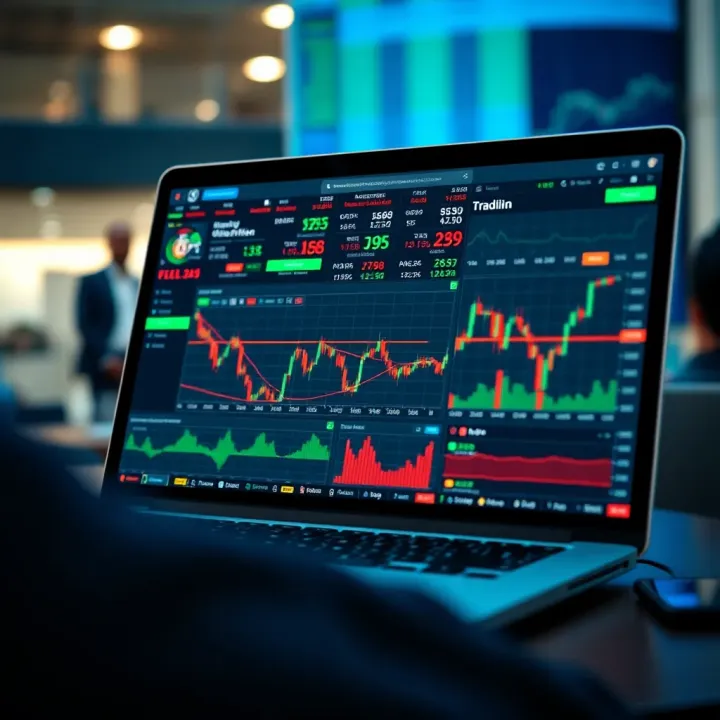
Understanding how these platforms operate helps you avoid common pitfalls. For example, platform latency (delays in executing orders) can cost some traders money if prices shift quickly. Also, not all platforms offer the same features or support Nigerian payment methods like bank transfers or USSD.
Choosing a suitable trading platform depends on your investment goals, technical comfort, and the types of assets you want to trade.
Here’s what you should look out for:
User Interface: Does it have an intuitive and easy-to-navigate design? Platforms with cluttered pages may cause you to miss key information.
Asset Variety: Can you access both Nigerian equities and foreign stocks or cryptocurrencies from one app?
Transaction Costs: Beware of hidden fees; some platforms charge monthly subscription fees, while others take a percentage of trades.
Regulatory Compliance: Ensure the platform is licensed by the Nigerian Securities and Exchange Commission (SEC) to protect your investments.
Customer Support: Quick and reliable support can save you headaches, especially during market volatility.
In the forthcoming sections, this article will explore various types of trading platforms, how to pick one that fits your needs, and share practical tips to trade securely and efficiently in Nigeria’s evolving fintech environment.
Trading platforms are digital tools that allow Nigerian investors to buy and sell financial assets like stocks, forex, and cryptocurrencies efficiently. They serve as the bridge between traders and the markets, providing a central place where you can execute trades, track market prices, and manage your investment portfolio. Understanding how these platforms work helps investors make informed decisions and avoid common pitfalls.
At their core, trading platforms are software applications designed to facilitate transactions in financial markets. Instead of physically visiting a stockbroker’s office or interacting through phone calls, you access the market through your computer or mobile phone. For example, platforms like GTI Securities’ app allow Nigerians to trade directly on the Nigerian Exchange (NGX) from anywhere with internet access.
These platforms vary in complexity—from basic apps suitable for beginners to advanced software loaded with analytics for professional traders. Knowing the kind of platform that suits your trading style is essential for managing risks and maximising returns.
Trading platforms perform more than just order placement; they enable seamless buying and selling of assets. For instance, when you want to buy shares of a company listed on NGX, you enter the order on the platform. The software then matches your request with a seller, executes the trade, and updates your portfolio.
This automation reduces the time and effort needed compared to traditional manual processes. It also ensures transparency as you see real-time prices and orders. Without a good trading platform, navigating markets can feel like trying to cross a busy street blindfolded.
A user-friendly interface is crucial for efficient trading. This is where you enter instructions to buy or sell assets. Nigerian platforms like Meritrade offer simple dashboards where you can choose the asset, specify quantity, and set price types such as market or limit orders.
Ease of order placement matters most during volatile conditions when split-second decisions can affect your gains or losses. A cluttered or slow interface might cause you to miss opportunities or place wrong orders.
Access to real-time market data and charting tools is a key feature of trading platforms. They provide information like price movements, trading volume, and market depth. For example, platforms may offer candlestick charts to spot trends in USD/NGN forex rates or share price fluctuations of Dangote Cement.
These tools help traders analyse patterns and decide when to enter or exit positions. Without reliable market data, you’re trading in the dark, making it harder to protect your capital.
Execution refers to how quickly and accurately your trade order is completed. Settlement is the process of transferring ownership and funds following the trade. Nigerian platforms connected with NGX typically execute trades instantly once matched, while settlement involves clearinghouses that finalise transactions within T+3 days (trade date plus three business days).
Reliable execution and smooth settlement give traders confidence that their assets and money are secure. Delays or failures here can lead to financial loss or legal issues.
A good trading platform combines speed, reliability, and clear information to help Nigerian investors make profitable decisions in dynamic markets.
Understanding these elements is the first step toward using trading platforms effectively and navigating Nigeria’s growing fintech space with greater confidence.

Trading platforms come in various forms, each tailored to different asset classes and trader needs. In Nigeria, understanding these types helps investors pick tools that actually work well under local conditions, such as fluctuating internet speeds and naira volatility.
Popular Nigerian platforms: Nigerian investors mostly rely on platforms like Meritrade, Chaka, and Cowrywise for stock trading. These platforms have simplified access to the Nigerian Exchange (NGX), allowing users to buy and sell shares of local companies easily via smartphones or desktops. Their growing user base shows trust in platform stability and ease of use, especially for retail investors who may not have direct access to stockbrokers.
Access to NGX and global markets: Besides the domestic market, some platforms like Chaka offer investors the chance to trade foreign stocks across US, UK, and other global exchanges. This broadens investment horizons, allowing portfolio diversification away from naira risks. Nigerian investors find this feature handy to tap into international blue-chip stocks or ETFs, all while using a single interface with naira deposits, avoiding direct currency hassles.
Overview of forex platforms: Forex trading is popular among Nigerians who want to benefit from currency fluctuations. Platforms like FXTM, HotForex, and IG Markets offer access to major pairs and exotic currencies. They provide tools for technical analysis and leverage options—important for Nigerian traders who often try to maximise returns given constrained capital. However, caution is needed because forex trading is highly speculative and involves risks.
Crypto trading apps and exchanges relevant to Nigeria: With crypto adoption surging, platforms such as Binance, Quidax, and Bundle Africa have become go-to choices for Nigerian traders. They offer easy onboarding, naira trading pairs, and local payment options like bank transfers and USSD codes. These features tackle payment bottlenecks common in Nigeria, making crypto accessible. Nigerian traders also benefit from speedier withdrawals and occasional lower transaction costs compared to older banks.
Benefits of mobile trading: Mobile apps dominate because Nigerians frequently use smartphones for most online activities. Apps like GTBank’s trading platform or Meritrade’s mobile version allow investors to trade anytime from anywhere—even during power outages using battery backup. Instant notifications and on-the-go charting tools keep traders alert to market moves, a must in volatile Nigerian markets.
Desktop platforms for advanced traders: On the flip side, desktop platforms such as MetaTrader 4 or 5 and ProRealTime offer more advanced charting, automation, and order types that serious traders favour. Though requiring stable internet and power, these platforms provide deeper analytical functions and customised setups. For Nigerian professionals juggling multiple accounts or larger portfolios, desktops remain indispensable despite mobility's appeal.
Nigeria's trading scene requires adaptable platforms suited to its unique infrastructural challenges. Picking the right platform means balancing ease of access, asset variety, and technological demands according to your trading style and environment.
Popular Nigerian brokerage platforms: Meritrade, Chaka, Cowrywise
Global market access: Chaka, Trove
Forex platforms: FXTM, HotForex, IG Markets
Crypto exchanges: Binance, Quidax, Bundle Africa
Mobile app advantage: flexibility, alerts, lightweight
Desktop advantage: advanced tools, automation, multi-account management
This mix of options empowers Nigerian investors to choose what fits their goals and circumstances best.
Selecting the right trading platform is critical for Nigerian investors aiming to navigate the fast-moving financial markets. The right choice affects not only your ability to access various assets but also determines your security, costs, and trading experience. Since platforms vary widely in features and fees, understanding key considerations like security, costs, and user support can save you from costly mistakes and frustration.
Data protection and encryption are the frontline defence for traders. When using a platform, your personal information and transaction data must be shielded from cyber threats. Many reputable Nigerian and international trading platforms employ advanced encryption standards to scramble data, making interception and misuse difficult. For example, platforms that use SSL (Secure Sockets Layer) encrypt users’ logins and transactions, preventing hackers from snooping on your activities. Without robust data protection, sensitive details like your bank information or trading strategies can leak, exposing you to fraud.
Account verification processes serve as another essential security layer. Platforms often require Know Your Customer (KYC) checks, where you submit identification documents to confirm your identity. This step protects you and the platform from identity theft and money laundering. A thorough verification process reassures you that you trade within a regulated environment. For instance, leading platforms in Nigeria will ask for a government-issued ID (like a National Identity Number or driver’s licence) and proof of address before allowing full access. Avoid platforms that skip this step, as they tend to be less secure and susceptible to scams.
Understanding a platform’s commission rates is vital. Some platforms charge a fixed percentage or fee per trade, while others may have variable commissions depending on the volume or asset class. For example, a typical brokerage on the Nigerian Stock Exchange (NGX) may charge between 0.1% to 0.75% per transaction, but some innovative fintech platforms might offer lower rates to attract users. Knowing these rates helps you estimate your total cost, especially if you trade frequently.
Watch out for hidden fees and charges that are not immediately obvious. These can include deposit or withdrawal fees, inactivity charges, or fees for using special tools on the platform. For example, some crypto exchanges might deduct fees when you convert naira to cryptocurrency or when you withdraw funds to your bank. Hidden costs add up over time and reduce your overall profit margin. That’s why you should carefully read the fee schedule, and if possible, speak to customer service to clarify unclear charges before committing.
The ease of use for beginners matters significantly, especially for new traders. A clean, intuitive interface reduces mistakes and learning curves. Many Nigerian platforms now offer mobile apps with straightforward designs, allowing you to execute trades smoothly even on slower internet connections. For instance, platforms like Bamboo and Trove combine simple navigation with tutorials tailored to new investors, making them accessible without overwhelming technical jargon.
Lastly, the quality of support services can make or break your trading experience. Prompt and knowledgeable customer support helps resolve issues quickly, whether it's trouble with fund transfers or technical glitches during peak market hours. Look for platforms that offer multi-channel support—such as live chat, phone, and email—with reasonable response times. Online reviews and user feedback often reveal which firms maintain high service standards. Good support is especially useful during Nigeria’s notorious power outages or internet instability when you might need urgent assistance.
Choosing the right platform is more than ticking boxes; it protects your investment, controls your costs, and shapes your overall trading journey. Be sure to weigh security, fees, and support carefully for a smoother experience.
Trading in Nigeria comes with its own set of hurdles that can affect both beginners and seasoned investors. Understanding these challenges is crucial because it helps traders prepare better and adapt strategies that mitigate risks. From infrastructural issues like power and internet disruptions to navigating regulatory frameworks, each factor influences trading efficiency and safety.
Internet stability and power supply are vital for uninterrupted trading. In Nigeria, sudden power outages and weak internet connections are common, often leading to loss of real-time market data or failed transactions. For example, a trader relying on mobile data during peak hours might miss out on crucial market moves due to network slowdowns, causing unfavourable trade outcomes.
To cope, some trading platforms now offer offline modes or reduced-data consumption features allowing users to place orders without constant live data streaming. Additionally, using power banks, prepaid data bundles with better network providers like MTN or Airtel, and setting up home generators can provide backup. These measures help traders maintain order execution even during power or internet glitches.
Nigerian investors must navigate the rules set by the Central Bank of Nigeria (CBN) and the Securities and Exchange Commission (SEC). These bodies oversee market operations to protect investors and maintain fairness. For instance, CBN rules regulate foreign exchange dealings for forex traders, while SEC licences valid brokerage firms. Traders ignoring this risk penalties or blocked accounts, so verifying the platform's regulatory compliance is essential.
The fintech surge has also seen an increase in fraudulent platforms exploiting unsuspecting Nigerians. Many advertise quick profits but vanish after collecting funds. To avoid this, investors should confirm platform registration with SEC, check user reviews on trusted forums, and avoid platforms demanding large upfront fees or unverified promises. Staying cautious protects hard-earned naira and maintains a cleaner market.
The naira’s fluctuating value influences returns, especially when trading foreign securities or cryptocurrencies priced in dollars. For example, a sudden naira devaluation after purchasing US stocks can reduce actual gains when converting back. This exchange rate risk can erode profits or increase losses unexpectedly.
To guard against naira volatility, traders may diversify assets by including stable foreign currencies or commodities, use hedging instruments where available, or choose naira-denominated securities. Some also adopt dollar savings through platforms like Piggyvest to preserve value. Keeping an eye on CBN policies and the FX market helps in making timely adjustments to portfolios.
Consistent review and proactive management of these challenges are key to sustainable trading success in Nigeria.
Navigating Nigerian trading platforms effectively requires more than just knowing the tools. Success demands adopting practical strategies that protect your capital and sharpen your decision-making. This section highlights tips tailored to Nigeria's unique trading environment, helping you trade smartly amid challenges like currency volatility, connectivity issues, and regulatory nuances.
Demo accounts serve as risk-free playgrounds for new traders. By using virtual money, you experience actual market conditions on platforms such as Trove, Meritrade, or Bamboo without the fear of losing naira. For instance, a beginner can practise executing trades on the Nigerian Stock Exchange (NGX) before committing real funds. This approach helps you understand order placement, chart analysis, and platform navigation, all vital steps before real trading.
Repeated practice through demo accounts boosts your confidence to handle live trades. Instead of diving in blind, you gain familiarity with how price movements affect your positions. With time, you learn the timing for entry and exit points, how to manage emotions during market swings, and how to react when unexpected news affects stocks like Dangote Cement or Nigerian Breweries. Confidence built here reduces costly mistakes and hasty decisions.
Every trader should define how much loss they can realistically absorb without jeopardising their overall finances. In Nigeria's volatile market, a conservative investor might choose to risk only 2–3% of their trading capital per trade. Setting this limit helps avoid oversized positions that could wipe out savings when naira weakens suddenly or a blue-chip stock dips unexpectedly. Knowing your risk threshold keeps your portfolio safer and your mind calmer.
These order types automatically close trades when certain price levels are reached, helping lock in profits or limit losses. For example, if you buy shares in Guaranty Trust Bank at ₦45, setting a stop-loss at ₦42 will reduce your loss if the price falls, while a take-profit at ₦50 ensures gains are secured once met. This disciplined approach guards traders against emotional reactions and the notorious Lagos traffic or power outage distractions.
Reliable news feeds are crucial. Nigerian traders often follow platforms like Proshare, BusinessDay, and Nairametrics for market updates. Social media channels and official NGX reports also provide real-time insights on stock movements, corporate actions, and government policy changes impacting sectors like oil and gas or telecom.
Successful traders analyse news to anticipate market moves. For example, if the Central Bank of Nigeria (CBN) adjusts interest rates, banking stocks often react swiftly. By integrating this knowledge, you can adjust your positions ahead of others, possibly avoiding losses or capitalising on opportunities. Keeping an eye on local and global trends, especially in fintech and agribusiness stocks, sharpens your trading edge.
Practising with demo accounts, setting clear goals, and staying informed are the pillars that support profitable trading on Nigerian platforms. Each step builds your ability to navigate risks and seize opportunities in a market that never stays still.
Discover how trading competitions offer ₦ prizes to Nigerian traders 🎯 Learn types, risks, benefits, and gain top tips to boost your chances in these popular contests!
Find the best online trading platform in Nigeria 🇳🇬! Explore top choices, fees, security, assets & customer support for smarter investing 📈💼
Explore Deriv’s history, trading options, account types, and safety tips for Nigerian traders. Get clear insights to decide if Deriv fits your trading goals 📊🇳🇬
📈 A trading demo account lets Nigerian traders practise without risking real ₦. Learn how to use it well, its benefits, and limits to boost your trading skills.
Based on 10 reviews