
Understanding Trading Competitions in Nigeria
Discover how trading competitions offer ₦ prizes to Nigerian traders 🎯 Learn types, risks, benefits, and gain top tips to boost your chances in these popular contests!
Edited By
Oliver Bennett
Derivative trading refers to buying and selling contracts whose value depends on an underlying asset. These assets can be stocks, commodities like oil or cocoa, currencies, or even indices. Instead of trading the assets directly, investors deal with agreements that derive their worth from the price movements of those assets.
In Nigeria, this form of trading hasn't reached the same level of popularity as in foreign markets. Still, it holds significant potential for investors wanting to manage risks or speculate profitably. For example, a cocoa farmer could use derivatives to lock in a price in advance, protecting against volatile market swings during the harvest season. On the flip side, a trader might speculate on the future price of crude oil by buying futures contracts through licensed brokers.

There are several common types of derivatives traded globally and increasingly accessible to Nigerian investors:
Futures contracts: Agreements to buy or sell an asset at a set price on a future date.
Options: Contracts giving the right, but not the obligation, to trade an asset at a predetermined price.
Swaps: Arrangements to exchange cash flows or financial instruments over time.
Trading derivatives takes place either on organised exchanges, like the Nigerian Exchange (NGX), or over-the-counter (OTC), where transactions happen directly between parties.
For Nigerian investors, understanding derivative trading offers tools to manage investment risks effectively and explore new avenues for profit beyond traditional stocks or bonds.
While derivatives present exciting opportunities, they also carry risks, especially due to market volatility and leverage involved. Practical knowledge of how these contracts work, regulatory frameworks by the Securities and Exchange Commission (SEC), and reliable market platforms are essential before venturing in.
This guide unpacks the basics of derivative trading in Nigeria focusing on practical steps investors can follow to incorporate these instruments safely and wisely into their portfolios.
Understanding derivatives is essential for Nigerian investors looking to diversify their portfolio or manage financial risks. Derivatives are contracts whose value depends on the price of an underlying asset — they don't represent ownership of the asset itself but provide rights or obligations linked to it. This section unpacks what derivatives are, the assets they derive from, and why investors engage in derivative trading.
A derivative is a financial instrument whose price fluctuates based on changes in an underlying asset, such as stocks, commodities, currencies, or indices. Because the derivative's value tracks another asset, it allows investors to speculate on price movements or hedge against risks without buying the asset directly. For instance, a trader might use a futures contract to lock in the price of oil today, anticipating that prices could rise later. This means derivatives are versatile tools that reduce or increase exposure to market swings.
The "underlying asset" is the cornerstone of a derivative. Common types include equity shares, government or corporate bonds, commodities like crude oil or cocoa (which Nigeria exports extensively), foreign currencies such as the US dollar or euro, and stock market indices like the NGX All-Share Index. In Nigeria, derivatives based on oil prices or forex rates are particularly relevant given the economy's exposure to these markets. Such assets determine the derivative's price, making their accurate monitoring and understanding critical for derivative traders.
Derivative trading serves three main purposes: hedging, speculation, and arbitrage. Nigerian investors often use derivatives to hedge against unwanted price changes — such as a farmer securing a cocoa price ahead of harvest to avoid losses if prices fall. Speculators buy and sell derivatives aiming to profit from price changes, which is riskier but can be rewarding. Arbitrage involves exploiting price differences between markets, a strategy usually employed by experienced investors to lock in low-risk gains. Overall, derivatives help investors manage risks and create opportunities without necessarily acquiring the actual assets themselves.
Derivative contracts serve as a financial safety net and a speculative tool, letting Nigerian investors balance risk and reward based on their goals.
By grasping these basics, you will be better positioned to navigate Nigeria's emerging derivatives market and make informed choices on which contracts to trade.
Understanding the main types of derivatives helps Nigerian investors navigate the market with clarity. These instruments provide different ways to hedge risks or speculate on price changes. Below, we examine the key derivative contracts widely used both internationally and increasingly within Nigeria's financial landscape.
Futures contracts are agreements to buy or sell an asset at a set price on a future date. They are standardised and traded on organised exchanges. For example, a Nigerian farmer might use a futures contract to lock in a price for maize before the harvest. This protects against price drops in the market. Likewise, an investor expecting the price of crude oil to rise can buy a futures contract to gain from the anticipated increase without owning the physical commodity. Futures demand initial margin deposits, which means only a fraction of the contract's value is paid upfront, allowing greater market exposure.
Options give buyers the right, but not the obligation, to buy (call option) or sell (put option) an underlying asset at a predetermined price within a specific timeframe. Nigerian investors might use options on stocks or commodities to hedge against price swings or to speculate with limited downside risk. For instance, a call option on Zenith Bank shares allows an investor to benefit if the share price rises without the full cost of purchasing the shares outright. Options premiums represent the upfront cost, while the potential loss is limited to this amount, which can be attractive during volatile periods in Nigerian markets.
Swaps are contracts where two parties exchange cash flows or liabilities, commonly used to manage interest rate or currency risks. In Nigeria, companies with foreign loans may enter into currency swaps to mitigate naira-dollar exchange rate variations. Forward contracts resemble futures but are usually customised and traded over-the-counter (OTC), not on formal exchanges. For example, an importer may agree today with a bank to buy US dollars at a fixed rate for payment in 3 months, ensuring predictable costs despite possible exchange rate shifts. These bespoke contracts offer flexibility but require trusted counterparties due to higher credit risk.
Grasping these core derivative types equips Nigerian investors with practical tools for navigating price uncertainty, managing risk, and exploring opportunities beyond direct asset ownership.
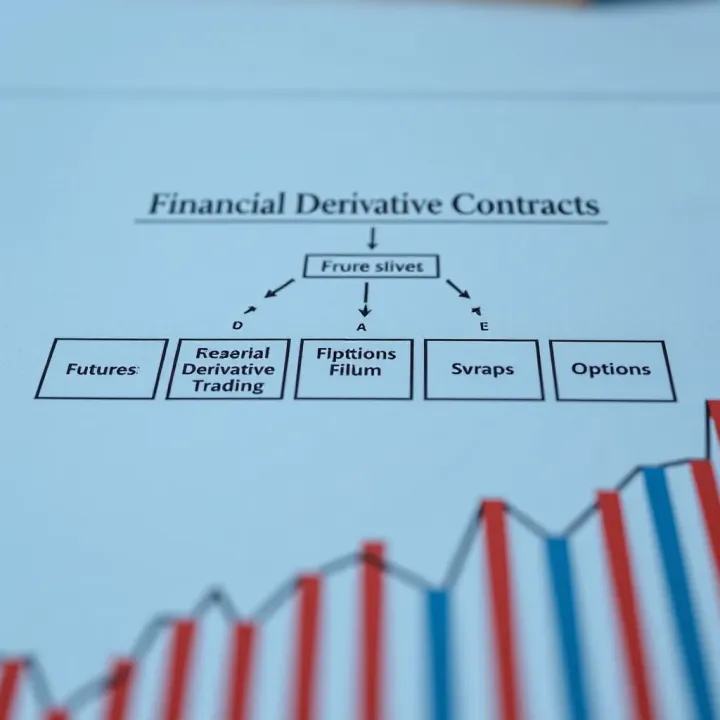
By recognising how futures, options, swaps, and forwards work, you can select the instruments that match your investment goals, risk appetite, and market outlook in Nigeria's evolving financial ecosystem.
Trading derivatives practically is where theory meets reality. For Nigerian investors, understanding how to trade derivatives effectively opens doors to managing risk smartly and potentially growing wealth by leveraging market movements. It’s not just about knowing what derivatives are but mastering the tools and strategies to participate confidently.
Choosing the right trading platform and broker is foundational. Reliable platforms offer access to futures, options, or swaps while maintaining transparency and regulated operations. In Nigeria, brokers registered with the Securities and Exchange Commission (SEC) or dealers connected to the Nigerian Exchange Group (NGX) are safer bets. Platforms like Meritrade or ARM Securities provide local access to derivatives, while some investors also engage through overseas brokers when trading international contracts.
Good brokers offer clear pricing, real-time quotes, and responsive customer service. Before committing, check their fees, margin requirements, and technology — poor platform performance can mean missed opportunities or worse, costly errors. For example, a broker with an unreliable interface could cause a delayed trade execution during volatile periods, leading to losses.
Starting with simple strategies reduces exposure to heavy losses. A common approach is hedging: if you own shares in a Nigerian company and fear price drops, you can buy put options to limit potential loss. Speculation is another path, betting on price movements without owning the actual assets — but this requires careful analysis.
Many beginners use covered calls, where you hold the underlying shares and sell call options, earning premium income while setting a potential sale price. This strategy suits investors expecting modest price rises.
Key beginner tips:
Start small to understand market behaviour.
Use demo accounts many brokers provide before risking real money.
Regularly review your trades and learn from mistakes.
Margin is the money you must deposit to open and maintain positions. Leverage allows you to control a much larger value than your upfront capital. For instance, with ₦100,000 on margin and 10:1 leverage, you can trade derivatives worth ₦1 million.
While leverage boosts profit potential, it also magnifies losses. Nigeria’s volatile market and fluctuating naira exchange rate mean investors must be cautious with leverage settings. Improper margin management can lead to forced position closures, wiping out your investments.
Always calculate your risk tolerance before trading on margin. It's wise to set stop-loss orders to limit downside or use only leverage levels you can comfortably back up.
Trading derivatives in Nigeria requires disciplined strategies and trustworthy platforms. Understanding margin and leverage impacts directly influences your financial outcomes, so approach with caution and solid preparation.
By combining the right brokers, beginner-friendly strategies, and careful margin use, Nigerian investors can navigate derivative trading with better confidence and control.
Derivative trading opens doors to profit and hedging opportunities but carries significant risks that investors must understand. These risks can impact returns sharply, especially given the leverage involved, which magnifies both gains and losses. Nigerian investors navigating this landscape should take care to assess these challenges carefully before diving in.
Market risk arises from sudden price swings of the underlying assets, affecting derivative contract values directly. For example, a Nigerian investor holding options on oil futures might see rapid losses if global crude prices fall unexpectedly due to geopolitical tensions or OPEC policy changes. Volatility in local equities also matters: shares listed on the Nigerian Exchange Group (NGX) often face sharp price moves influenced by naira fluctuations, economic data releases, or political developments. Such volatility can lead to margin calls or forced liquidations if the trader is highly leveraged.
A practical example: during the 2016 naira devaluation, many derivatives tied to the currency saw value erosion faster than anticipated, catching some traders unprepared.
Understanding that no market moves in a straight line helps investors prepare for unexpected drops and spikes. Using stop-loss orders and limiting leverage can reduce exposure to market risk.
Unlike stocks, derivatives often involve contracts between parties, introducing credit risk — the chance the other party may default. In Nigeria, where derivative markets are still developing, this risk can be heightened due to less mature clearing systems or regulatory oversight. For instance, in an over-the-counter (OTC) derivative deal, if the counterparty fails to meet obligations, the investor might face losses regardless of market movement.
Choosing reputable brokers and platforms with strong clearinghouses reduces this risk. The Nigerian Exchange Group's move to develop centralized clearing services aims to bolster investor confidence by mitigating counterparty defaults.
Derivative trading in Nigeria operates under financial laws and regulations designed to protect investors and ensure market integrity. The Securities and Exchange Commission (SEC) and the Central Bank of Nigeria (CBN) oversee aspects that affect derivatives, such as compliance requirements and licensing. Traders may face legal challenges if they engage on unregulated platforms or with brokers lacking proper accreditation.
Moreover, changes in legislation or regulatory policy can affect derivative contract terms and market accessibility. For example, sudden adjustments in CBN policies on foreign exchange or margin requirements can influence trading conditions drastically. Staying updated on regulatory announcements and understanding legal frameworks protects traders from unexpected disruptions.
To navigate these risks effectively, Nigerian investors should combine sound research with practical risk management strategies. This includes monitoring market indicators closely, verifying counterparty credibility, and maintaining compliance with evolving regulations. Doing so increases the chance of success in derivative trading while avoiding common pitfalls.
Derivative trading in Nigeria is gradually gaining traction, offering investors new ways to manage risk and speculate beyond traditional stocks and bonds. Unlike mature markets like the US or Europe, Nigeria’s derivatives scene is still developing but holds important potential for savvy investors. Understanding local market structures and regulatory frameworks is crucial before diving into derivatives.
Nigeria’s derivatives market remains relatively small but steadily growing, anchored primarily by the Nigerian Exchange Group (NGX). It mostly features futures contracts currently, especially on equities and indices like the NGX-30. However, the options market is still largely undeveloped, partly due to regulatory hurdles and low liquidity.
Investment banks and brokerage firms have started offering derivative products to institutional players, including hedging tools linked to oil prices and currency fluctuations, which are highly relevant given Nigeria’s oil-dependent economy. For individual investors, access to derivatives trading is improving but still limited compared to traditional equities.
Many Nigerian investors see derivatives as complex or risky, but proper education and cautious engagement can unlock useful strategies for risk management. For example, hedging against naira volatility via currency futures could protect importers or exporters.
NGX plays a pivotal role in the Nigerian derivatives ecosystem by listing and overseeing futures contracts and facilitating market access. Since its upgrade in 2021, NGX has enhanced trading infrastructure, introducing electronic platforms that improve transparency and settlement efficiency.
NGX also works to increase market participation by onboarding more brokers qualified in derivatives trading and conducting investor sensitisation campaigns. Their efforts aim to boost liquidity and attract foreign interest, which remains cautious due to past policy uncertainties and naira instability.
Concrete examples include futures contracts on NGX-30 index futures, which allow investors to speculate on or hedge against stock market movements with lower capital outlay. These contracts provide a direct link between derivatives trading and Nigerian equities.
The regulatory environment for derivatives in Nigeria is overseen mainly by the Securities and Exchange Commission (SEC) Nigeria and the Central Bank of Nigeria (CBN). While SEC regulates the capital markets and derivative instruments, CBN’s policies impact currency and interest rate derivatives through monetary policy decisions.
Compliance requirements include licensing for brokers offering derivative services and strict disclosure rules for market participants to maintain market integrity. The SEC has introduced guidelines to discourage excessive speculation while promoting suitable investor protection.
Investors should be aware that derivative trading involves higher risks compared to traditional investment. Hence, these regulations aim to balance innovation with safeguarding market confidence, a challenge that Nigerian regulators handle with cautious, progressive reforms.
Derivative markets in Nigeria are evolving, with NGX as a key driver and SEC and CBN ensuring a regulated, stable environment for investors to explore these advanced financial tools.
In summary, staying updated on market developments and regulatory announcements is vital for Nigerian investors. Those who navigate these factors well can use derivatives effectively for hedging and diversification in the local financial ecosystem.
For Nigerian investors exploring derivatives, practical tips are a must. The market can be complex, and a wrong move might cost you dearly. Understanding your own limits, picking the right tools, and staying informed are essential for success and reducing risks.
Knowing how much risk you can handle is the first step for any investor. Derivative trading often involves significant volatility, especially on local markets like the Nigerian Exchange Group (NGX), where external shocks can cause sharp price movements. For example, an investor with limited funds should avoid highly leveraged futures contracts, as losses can multiply quickly. Consider how much money you can afford to lose without affecting your daily life or other financial obligations. Reflect on your investment goal too — are you aiming for quick profits or long-term hedging? Taking a quiz on risk tolerance or consulting a financial advisor can clarify your comfort level.
Derivatives come in many forms: futures, options, swaps, and more. For Nigerian investors, it's wise to start with simpler contracts like options, which offer limited risk compared to futures. Selecting a reputable broker is just as crucial. Look for brokers registered with the Securities and Exchange Commission (SEC) Nigeria, which ensures regulatory compliance and safeguards your funds. Local brokers familiar with the Nigerian economic environment can offer better guidance. Always check fees, platform ease of use, and customer service quality before committing. For instance, some brokers like Meristem Securities provide derivatives trading on NGX and have local insight that aids decision-making.
Derivative prices reflect expectations about the future, meaning staying updated on economic, political, and corporate news in Nigeria matters. Imagine trading oil-related derivatives without noting OPEC decisions or NNPC developments; that would be a blind gamble. Follow reputable Nigerian financial news outlets, and track policies by the Central Bank of Nigeria (CBN) that affect liquidity and currency stability. Also, monitor NGX announcements on new derivative products or contract specifications. Scheduling regular times to review these updates will sharpen your trading skills and help you adjust strategies promptly.
Smart derivative trading in Nigeria demands clear understanding of your risk profile, wise selection of instruments and brokers, and constant attention to market news.
Start modestly, keep learning, and adapt fast to the changing landscape. Derivative trading can complement your investment portfolio if handled wisely with these practical tips in mind.
Discover how trading competitions offer ₦ prizes to Nigerian traders 🎯 Learn types, risks, benefits, and gain top tips to boost your chances in these popular contests!
Explore Deriv’s history, trading options, account types, and safety tips for Nigerian traders. Get clear insights to decide if Deriv fits your trading goals 📊🇳🇬
📈 A trading demo account lets Nigerian traders practise without risking real ₦. Learn how to use it well, its benefits, and limits to boost your trading skills.
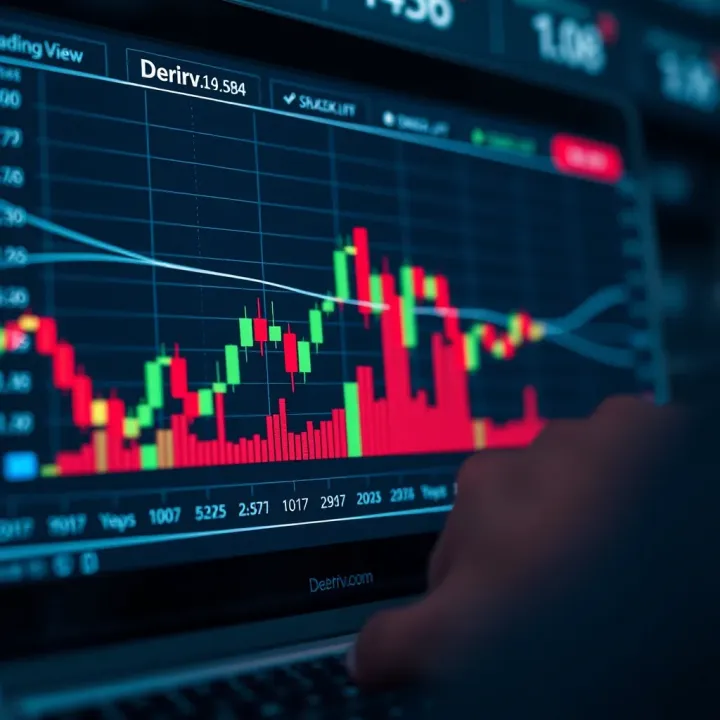
📈 Learn how to use Deriv.com Trading View with practical charting tips, indicators & setup tailored for Nigerian traders to improve market analysis and decision-making.
Based on 9 reviews