

Understanding App Trade in Nigeria’s Digital Market
Explore app trade markets, methods, & risks in Nigeria's digital space 📱 Learn how apps are bought, sold, legal points, & growing opportunities.
Edited By
Sophie Mitchell
Trade apps have changed the way Nigerians conduct business, whether buying local goods or trading across borders. These mobile and web applications offer platforms that connect buyers and sellers directly, making transactions faster and more accessible. Unlike traditional markets where physical meet-ups are necessary, trade apps allow users to negotiate and close deals from the comfort of their homes or offices.
At their core, trade apps integrate several features to support commerce, including product listing, secure payment gateways, shipping options, and customer reviews. For example, platforms like Jumia and Konga started as e-commerce sites but have evolved into trade hubs where merchants and customers interact daily. More specialised apps such as Paystack and Flutterwave facilitate cross-border payments, essential for international trade.
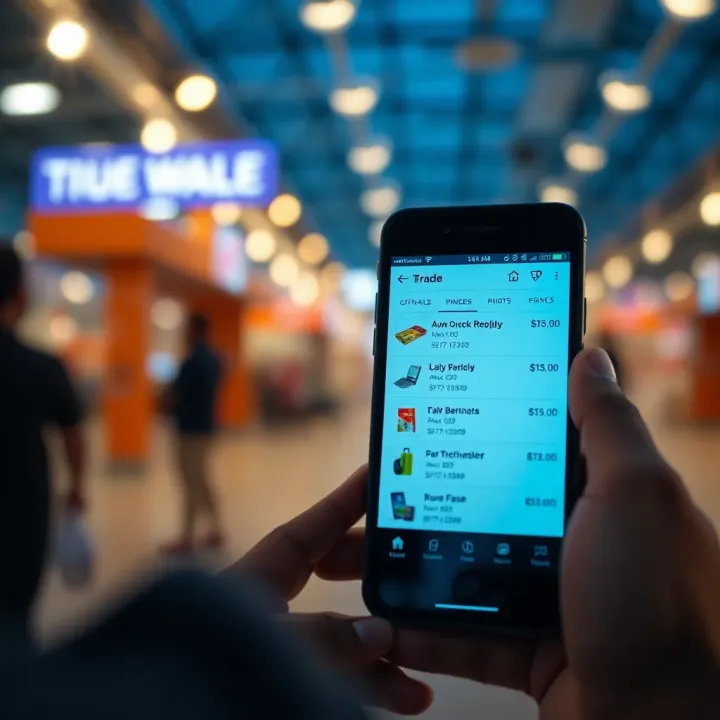
Nigerian traders benefit from trade apps in various practical ways:
Convenience: Users can browse thousands of products or services without moving about in Lagos traffic or spending on okada fares.
Access to wider markets: Small business owners can sell not only locally, but also to buyers in other states or countries without a physical store.
Transparent pricing: Competitive pricing is visible through comparisons on the apps, helping buyers get fair deals.
Effective use of trade apps requires understanding their features and trust mechanisms to avoid scams, a common concern among Nigerian users.
Security remains a top issue; hence, most reputable trade apps integrate two-factor authentication, merchant verification, and secure escrow services to protect users’ funds. Nigerian users are advised to check app ratings and user feedback before transacting.
To get started, users should first pick an app that matches their trade needs—whether buying fashion items, agriproducts, or electronics. Registering with accurate details, connecting verified payment methods (like BVN-linked bank accounts), and understanding refund policies helps in smoother trading.
In the next sections, we will explore how these apps operate, key features to watch out for, and tips to trade safely in the Nigerian context.
Trade apps have become essential tools in Nigeria's fast-evolving commerce scene. They connect buyers and sellers directly via smartphones, allowing transactions that once required physical presence. For traders, investors, and analysts, understanding these apps sheds light on Nigeria’s market shifts, where digital platforms increasingly influence buying and selling patterns.
Trade apps simplify commerce by streamlining processes such as searching for products, making payments, and arranging deliveries. They provide a practical response to challenges like traffic congestion in Lagos, the scarcity of physical marketplace infrastructure in rural areas, and cross-border trade limitations. In this section, we unpack what trade apps are, their purpose, and how they operate within the Nigerian context.
At their core, trade apps serve as digital marketplaces where buyers meet sellers. Unlike traditional markets, these platforms offer a broader reach for both parties. For example, a small-scale trader in Kano can list textile products while a buyer in Port Harcourt can place orders without travelling miles. This connectivity reduces the barriers of distance and time.
Beyond exposure, trade apps often include ratings and review systems, helping buyers gauge seller credibility. This feature enhances transparency and trust, which are often barriers in face-to-face market dealings. The ease of communication through built-in chat functions or customer support further fosters smooth transactions.
Trade apps are not limited to local exchanges; many support cross-border transactions within West Africa and beyond. For instance, traders engaged in tokunbo vehicle sales or agricultural exports use these apps to access foreign buyers without intermediaries. This opens up new revenue streams while cutting costs associated with traditional export processes.
Such apps often integrate currency conversion and compliance tools to handle foreign transactions more effectively. Additionally, they help users navigate import duties and customs regulations by providing up-to-date information tailored to Nigerian exporters and importers. This practical support encourages more Nigerians to participate in regional and global trade.
Trade apps typically allow sellers to list their goods by uploading photos, descriptions, and prices. Good listings include clear images, detailed specifications, and delivery terms, which aid buyers in making informed decisions. For example, a seller offering electronics should specify brand, warranty, and condition (new or tokunbo).
Search features are often robust, letting users filter results by price, location, category, or seller ratings. This helps buyers quickly find what they want without sifting through irrelevant items. Effective search functions improve user satisfaction and increase the likelihood of completed sales.
Once buyers select items, they place orders directly through the app. Nigerian trade apps usually support multiple payment methods, including bank transfers, mobile money, and popular platforms like Paystack and Flutterwave. These methods offer convenience and security, vital in a market wary of fraud.
Payment gateways used by these apps encrypt data to protect users’ financial details. Some platforms include escrow services, holding payment until the buyer confirms receipt and satisfaction with the goods. This builds trust and reduces disputes or scams that often plague online transactions in Nigeria.
After payment, the seller arranges delivery, often via integrated logistic partners or third-party services. Some trade apps partner with local courier companies familiar with Nigerian road conditions, helping ensure timely and safe delivery.
Transaction completion usually includes buyer confirmation and the option to rate the seller. This feedback loop strengthens the platform’s reliability and encourages sellers to maintain high standards. In cases of issues like damaged goods or late delivery, most apps offer support channels for resolution.
Understanding how trade apps work offers a practical edge for traders and investors navigating Nigeria’s dynamic markets, especially as digital commerce continues to expand.
Trade apps have become vital for buying and selling across Nigeria. Knowing what features to expect helps you choose apps that make transactions smooth, safe, and efficient. The right features can save time, prevent fraud, and offer support when problems arise.
Ease of Navigation is crucial for any trade app. Sellers and buyers often do not have time to waste fumbling through complicated menus. A clean, intuitive layout means you can quickly find what you want, be it browsing products or checking your order status. For example, Jumia’s straightforward categories and search filters help users pinpoint items without confusion, even on older smartphones.
Accessibility on Different Devices expands your options because Nigerians use diverse phones and tablets. Trade apps that run smoothly on various operating systems—from Android devices mostly used in Nigeria to iOS—provide wide coverage. An app that works offline or with limited connectivity adds major convenience, especially in areas with fluctuating internet access.
Integration with local payment platforms such as Paystack and Flutterwave is essential. These systems support multiple options like card payments, bank transfers, and USSD codes, which many Nigerians prefer for ease and speed. Using familiar payment methods reduces hesitation in completing transactions and boosts trust.
Verification and User Authentication help prevent scams, a persistent challenge in online trade. Features like requiring Bank Verification Number (BVN) during registration or two-factor authentication make it harder for fake sellers to operate. Verified badges or ratings also help buyers trust credible vendors, protecting both parties.
Response time plays a big part in customer satisfaction. Fast replies, especially when dealing with complaints about wrong or damaged goods, keep users confident in the platform. For instance, OPay’s 24-hour chat support has helped many users resolve issues without long delays.
Mediation services provided within apps handle disputes fairly when buyers and sellers clash. Rather than needing external legal routes, resolved cases through app mediation save time and cost. This service reassures users their concerns will be heard and settled.
Choosing trade apps with these key features ensures smoother transactions, limits risks, and makes buying or selling more reliable for everyone involved.
By focusing on ease of use, payment security, and strong support, you can pick trade apps that suit the Nigerian market realities and safeguard your trading experience.

Trade apps have transformed how Nigerians engage in commerce by offering convenience, cost savings, and expanded opportunities. For traders, investors, and brokers navigating Nigeria’s dynamic market, these apps provide practical benefits that help overcome traditional challenges such as traffic congestion, limited access to distant markets, and the need for physical hustling.
One major advantage of trade apps is the ability to place orders from virtually any location. Whether you’re in Lagos navigating chaotic danfo traffic or in a quieter town in Rivers State, you can browse products, compare prices, and complete purchases using your smartphone. This flexibility saves hours that would otherwise be spent moving through marketplaces or visiting different shops.
Take, for example, a busy entrepreneur in Abuja who needs office supplies but lacks time to visit multiple stores. With a trade app, they can order what’s needed in minutes, leaving room to focus on other priorities. This convenience is especially valuable during the ember months when business activities peak and time is at a premium.
Trade apps also offer real-time tracking and notifications, keeping users updated on their order status. Knowing when your parcel leaves the warehouse, faces transit challenges, or is about to be delivered adds assurance and reduces anxiety.
For instance, buyers of tokunbo cars or electronics can monitor shipments on platforms, ensuring timely reception without constant calls or guesswork. Notifications prompt prompt action if issues arise, enabling swift resolutions and better transaction transparency.
Many trade apps introduce healthy competition by listing multiple sellers of similar goods. Prices tend to stay competitive as sellers vie for customers’ attention, often resulting in better deals than traditional markets. Buyers gain the upper hand by comparing choices side by side.
A cosmetics retailer in Kano, for instance, benefits by sourcing quality products on trade apps at prices lower than local wholesalers. This cost advantage improves profit margins and enables more competitive resale pricing.
Cutting down on physical visits to markets like Balogun or Onitsha saves both money and energy. Travel costs for okada or danfo and the risk of time lost in traffic jams decline sharply when transactions occur online.
Given Nigeria’s often unpredictable transportation and power supply issues, avoiding unnecessary market runs helps small businesses reduce operational headaches. Plus, it lowers exposure during periods of unrest or bad weather, which occasionally affects physical marketplaces.
Trade apps break down geographical barriers, allowing sellers in less urbanised states to tap into Lagos, Port Harcourt, or even international customers. This wider reach means those with quality products can scale up quickly without needing physical outlets.
A tailor from Enugu specialising in aso ebi designs, for example, can showcase their pieces to clients nationwide through trusted trade platforms. This access wasn’t easily achievable before the digital trading era.
Beyond just making sales, trade apps help sellers build an online reputation through reviews and ratings. Positive feedback encourages repeat business and new customers, creating a form of digital word-of-mouth.
For small traders, this reputation can be crucial in gaining trust, especially when competing with larger stores or marketplaces. A well-rated seller on platforms like Jumia or Konga can convert casual browsers into loyal customers, boosting overall business growth.
Using trade apps smartly not only boosts convenience but also enables Nigerian traders to compete effectively in a tough market with minimal upfront costs.
This blend of convenience, cost-efficiency, and expanded reach makes trade apps indispensable tools for anyone involved in Nigeria’s retail and wholesale sectors today.
Nigeria's trading sector has embraced technology, making trade apps crucial for buyers and sellers alike. These platforms provide practical benefits such as broader reach, price transparency, and safer transaction processes. Understanding the major and specialised apps helps Nigerian users pick the right trade platforms aligned with their needs.
Jumia and Konga have established themselves as Nigeria’s foremost e-commerce giants. Jumia, often described as Nigeria’s Amazon equivalent, offers a diverse catalogue ranging from groceries and fashion to electronics. Its strong logistics network allows users across major cities to order items with relative speedy delivery, which is especially helpful given the country's sometimes challenging infrastructure. Konga, similarly, focuses heavily on consumer electronics, fashion, and household goods, boasting regular promotions that allow savvy shoppers to enjoy good discounts.
Both platforms integrate local payment systems like Paystack and Flutterwave, giving buyers various options, including card payments and direct bank transfers. For traders, listing products on these apps means tapping into millions of potential customers nationwide without the expenses of physical storefronts.
OPay and PalmPay Marketplaces have innovated beyond their traditional mobile money services by expanding into trade app platforms. OPay marketplace leverages its extensive user base for quick mobile payments and goods exchange, while PalmPay integrates loyalty programmes, encouraging customer retention through cashback and discounts.
These marketplaces capitalise on Nigeria's growing mobile internet penetration. Users enjoy seamless one-stop solutions for utility payments, food delivery, and item purchases right from their smartphones. For traders, this means opportunities to scale sales quickly across states without hefty marketing costs.
Social Media Marketplaces (Instagram, Facebook) play an informal but significant role in Nigeria's trade ecosystem. Many entrepreneurs and small business owners showcase products on these platforms, leveraging wide social networks for direct sales. Instagram's visual-centric format suits fashion and beauty products, while Facebook groups facilitate community-based buying and selling.
This approach’s practical advantage is low-cost entry and the ability to interact personally with customers. However, buyers should exercise caution by verifying sellers’ credibility to avoid common scams.
Automobile and Tokunbo Vehicle Trading sees several niche platforms catering to Nigerians hunting for second-hand vehicles. Apps such as Cheki Nigeria and Jiji provide extensive listings for tokunbo cars, motorcycles, and even commercial vehicles. These platforms include detailed descriptions, seller contacts, and negotiation options, helping users find vehicles that fit their budgets and needs without physically checking multiple locations.
Specialised vehicle trade apps often feature inspection reports or seller ratings to build trust. Given Nigeria’s reliance on imported used cars, these apps reduce risks associated with counterfeit deals or hidden defects by providing better transparency.
Fashion and Aso Ebi Marketplaces flourish on platforms that cater specifically to Nigeria’s vibrant clothing and textile market. Apps like Veesible focus on traditional attires, aso ebi fabrics, and accessories, allowing tailors, fabric sellers, and customers to connect directly.
These marketplaces support small-scale designers and wholesalers by providing online visibility and enabling order customisations. Plus, they help customers quickly compare styles, colours, and prices without visiting multiple physical markets under tight ember months schedules.
Electronics and Appliance Sales benefit from specialised trade apps that focus solely on gadgets and household equipment. Platforms like Kaymu and Jumia Electronics provide not only new product listings but also lamps, fridges, air conditioners, and generators frequently sought after by Nigerian consumers dealing with power issues.
This sector demands reassurances like warranties and after-sales support, which these apps often highlight. For Nigerian users, this means a closer assurance of product quality and the ability to shop around for the best deals on multimedia devices, kitchen appliances, and more.
Selecting the right trade app depends heavily on your sector and transaction comfort level. These platforms continue to evolve, blending convenience and security while expanding access to Nigeria’s vast informal and formal markets.
Trade apps offer significant convenience and opportunities for Nigerian users, but they come with challenges that can affect the buying and selling experience. Understanding these risks helps users navigate the platforms wisely and avoid losses. This section highlights key issues such as security concerns, logistics, and internet-related challenges that many users face.
Nigerian trade apps occasionally feature fake sellers who post fraudulent listings to swindle unsuspecting buyers. For instance, a buyer searching for a tokunbo car might encounter a convincing advert with fake photos and promises of a below-market price. After payment, the buyer may never receive the vehicle or receive something vastly different. Such scams erode trust in digital marketplaces and can lead to significant financial losses.
To avoid falling victim, users should verify seller profiles and favour platforms with strict verification processes. Reading user reviews and ratings also helps identify trustworthy sellers. Trade apps like Jumia and Konga put effort into vetting sellers, but exercising caution remains vital.
Many trade apps integrate local payment gateways like Paystack and Flutterwave, which provide secure transaction frameworks. Still, users should avoid direct bank transfers outside app platforms, as these increase scam risks. Using escrow services or payment options that hold funds until confirmation of delivery is advisable.
Also, never share sensitive information such as ATM PINs or passwords during transactions. If a deal seems too good to be true, or the seller pressures for quick payment, it’s usually a red flag. Safeguarding your money depends on choosing secure payment methods and confirming that the trade app supports buyer protection.
One common risk when using trade apps is delays in delivery or receiving damaged goods. For example, if a buyer orders electronics or fashion items from a distant state, poor packaging or rough handling by delivery services can lead to damage. Delays may also arise from road conditions or administrative holdups at distribution centres.
To reduce these risks, always check if the app provides tracking systems and estimated delivery times. Maintaining communication with the seller and delivery company helps resolve issues promptly and ensures you receive timely updates on your order status.
Choosing platforms that partner with dependable logistics providers improves the chances of hassle-free delivery. Renowned trade apps usually collaborate with service companies that offer insurance on shipments and timely parcel handling.
For local trades, some sellers prefer delivery by known riders or courier services with good reputations. Confirming delivery options before purchase can save you stress and extra costs. Reliable delivery partners give you peace of mind by ensuring your goods arrive intact and on schedule.
Internet connectivity and data costs still affect many Nigerian users of trade apps, especially in semi-urban and rural areas. Slow or unstable networks can disrupt order placements or payment confirmations, sometimes leading to duplicate transactions or failed orders.
During busy periods like ember months or festive sales, network jams on major mobile operators add to such problems. Users might find themselves stuck waiting indefinitely for app pages to load or orders to process, causing frustration and potential missed deals.
Trade apps, with their images and videos, can consume significant data. For users on limited data plans or prepaid subscriptions, managing data usage becomes essential. Some apps now offer ‘lite’ versions that reduce data consumption by limiting image quality and background processes.
Using Wi-Fi where possible, disabling automatic video playback, and limiting app background activities help conserve data. Understanding these settings saves costs and ensures smooth access even on modest internet connections.
Navigating trade apps successfully demands awareness of these challenges. Being vigilant about security, delivery reliability, and internet use equips Nigerian users to trade confidently and profitably.
Using trade apps in Nigeria offers great convenience and opportunities, but it also comes with risks that can undermine your experience. Applying practical tips can boost your success and protect you from common pitfalls. From selecting the right platform to safeguarding your personal information, these pointers help you navigate trade apps wisely.
Not all trade apps are built the same. Before committing to one, compare their features carefully. Some apps provide detailed product descriptions and transparent seller ratings, while others may lack these. For example, Jumia boasts extensive product verification and buyer feedback, which builds trust. Checking user reviews on app stores or social media gives you firsthand insight into actual experiences — whether positive or negative. If several users complain about poor delivery or hidden charges, it’s a warning sign to consider other options.
Payment flexibility is critical in Nigeria's diverse financial landscape. The right trade app should integrate with popular local payment platforms like Paystack, Flutterwave, or OPay, allowing you to pay with bank cards, USSD, or mobile money. Confirming secure and trusted payment channels reduces the chance of fraud or failed transactions. Also, be wary of apps that demand upfront full payment without any buyer protection. Opt for platforms offering multiple payment methods so you can pick what suits you best for safety and convenience.
Always check seller information before buying, especially for high-value items like tokunbo vehicles or electronics. Legitimate sellers usually provide clear contact details, verified means of identification, and consistent ratings over time. If the seller is new or has scant information, try to request additional proof or buy from well-established shops on the app. This avoids scams or fake listings that waste your money and time.
Escrow services act as middlemen holding your money until the product is confirmed delivered and in good condition. Many trade apps offer this feature and it adds a valuable layer of security. If escrow is unavailable, use popular payment methods with buyer protections, such as card payments via Paystack or Flutterwave. Avoid direct bank transfers or mobile wallet transfers to unknown sellers, as these are harder to trace or recover if the deal goes wrong.
Only share necessary information on trade apps. Avoid posting sensitive details like your full home address, NIN, or banking passwords publicly. A smart practice is to use the app's messaging system for communication instead of your personal phone or email. This limits exposure to identity theft or targeted scams. Some users create secondary contact details expressly for online trades to keep their personal accounts safer.
Apps may request access to your contacts, location, or storage. Review these permissions regularly and revoke anything that's not essential. Trade apps usually need location to suggest nearby sellers and storage to save receipts or product images — but they don’t need your entire contact list or microphone access. By tightening permissions, you reduce risk of data leaks or misuse, which have become more common as trade apps handle sensitive transactions.
Taking these practical steps ensures you make the most of trade apps in Nigeria while staying protected from scams and privacy breaches. A mindful approach enriches your trading experience and fosters confidence in digital commerce.
Explore app trade markets, methods, & risks in Nigeria's digital space 📱 Learn how apps are bought, sold, legal points, & growing opportunities.
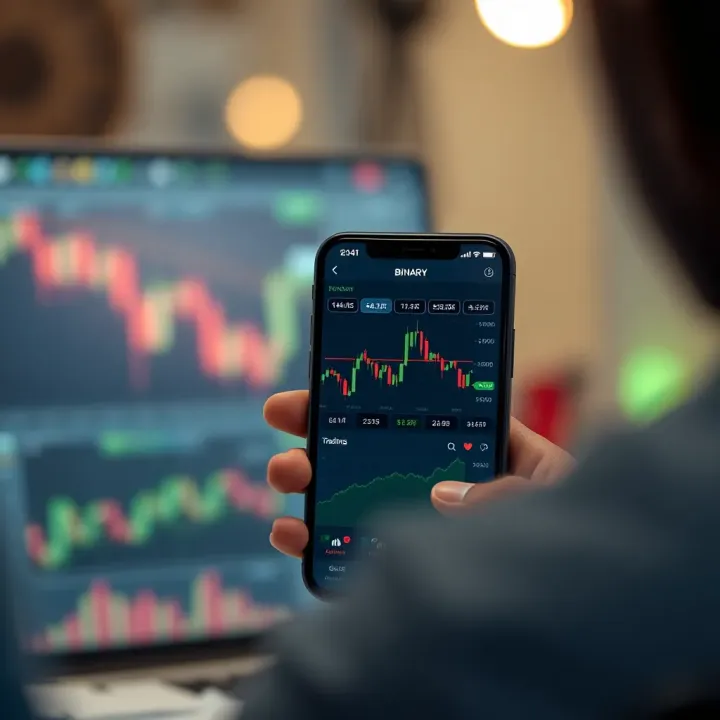
📱 Explore how binary trading apps work in Nigeria, learn key features, pick trusted platforms, know risks, and get smart tips for starting safely.
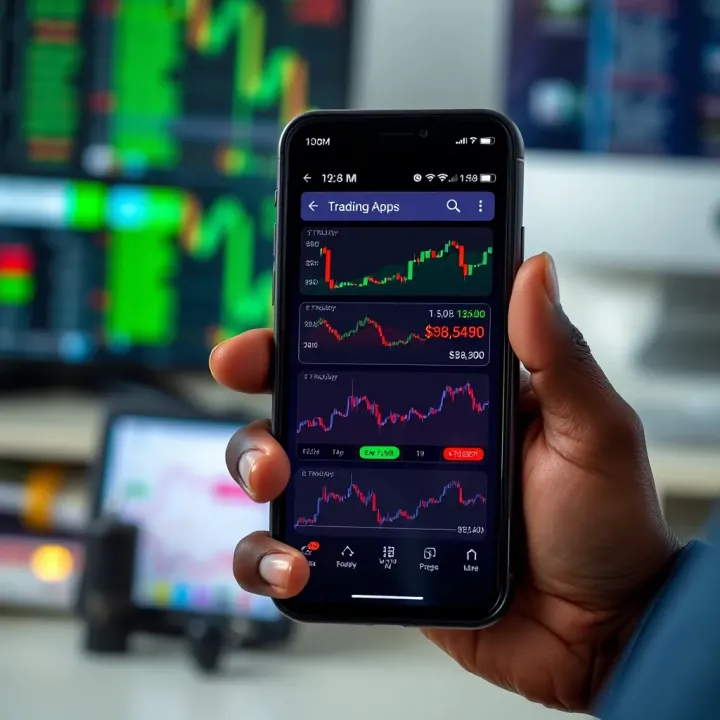
Discover how to pick the best trading app for Nigerian investors 🇳🇬. Compare features, fees, and security to trade confidently and grow your investments 📈.

Discover how bitcoin works and its risks in Nigeria 🇳🇬 Learn practical ways to buy, store safely, and use it confidently amidst naira challenges 💰🔐
Based on 5 reviews