
Most Volatile Synthetic Indices in Trading
📉 Learn about the most volatile synthetic indices traders use to speculate without owning assets. Get advice on managing risks and spotting market moves in Nigeria’s trading scene.
Edited By
Henry Mitchell
Synthetic indices trading is gaining traction among Nigerian investors looking to diversify their portfolios beyond traditional assets like stocks and forex. Unlike conventional markets that depend on real-world economic events, synthetic indices are virtual financial instruments that mimick real market movements. This feature makes them particularly appealing, especially since they operate round the clock without being affected by weather, political upheavals, or market holidays.
Synthetic indices work through algorithm-driven models that generate price movements based on mathematical formulas, not tangible assets. For example, a synthetic volatility index tracks price fluctuations constantly, offering traders consistent access to price swings they can trade on at any time, including weekends and off-market hours.
These indices offer more trading flexibility for Nigerians, especially outside normal market hours when traditional exchanges are closed.
For Nigerian investors, this means more opportunities to trade—even during ember months or festive seasons when global stock exchanges take breaks. Brokers providing synthetic indices often allow trading in smaller contract sizes, lowering entry barriers compared to buying actual shares or physical commodities.
Besides their availability, synthetic indices carry specific risks that traders must manage. Since prices derive from algorithms, unexpected shifts in market sentiment or extreme volatility may not occur the same way they do in real markets. This difference requires Nigerian traders to adapt their strategies and use risk controls like stop-loss orders and position sizing carefully.
Moreover, synthetic indices are offered mainly by online brokers, so choosing a regulated and reputable platform is vital. Nigerians should prefer brokers authorised by bodies such as the Nigerian Securities and Exchange Commission (SEC) or operators with strong international regulation to minimise the risk of fraud.
Practical steps for Nigerian investors include:
Researching brokers that offer competitive spreads and reliable execution
Testing strategies on demo accounts before risking real funds
Monitoring market hours specific to synthetic indices, which might differ from traditional markets
In essence, synthetic indices provide Nigerian traders with a fresh avenue to participate in financial markets without being tied down to typical market schedules. With the right approach, they can enhance portfolio diversification and open new ways to generate returns.
Grasping the fundamentals of synthetic indices is essential before you dive into trading them. These indices are specialised financial instruments designed to mimic market behaviours but aren’t tied to real-world assets like stocks or commodities. Knowing how they function helps Nigerian investors navigate their unique risks and rewards more confidently.
Synthetic indices are price indices generated by algorithmic models that simulate market conditions. Unlike traditional indices such as the NSE All-Share Index or S&P 500, synthetic indices don't reflect any physical market or underlying asset. Instead, their values move according to complex random number generators programmed to follow specific volatility patterns.
This design allows traders to speculate on price movements without exposure to the unpredictability of real-world events. For instance, if you trade a synthetic volatility 10 index, the asset's price fluctuates within pre-set limits modelled to simulate a certain level of market volatility.
Unlike conventional indices that aggregate the performance of a basket of real companies or commodities, synthetic indices exist purely in the digital realm. They don’t depend on economic reports, corporate earnings, or geopolitical events but rely on pre-coded algorithms.
This means they operate 24/7, a significant advantage over markets like the Nigerian Stock Exchange that close outside business hours. Also, synthetic indices typically have predictable volatility patterns because they’re generated through programmed cycles rather than reacting to real-world news.
Traders find synthetic indices attractive because of their constant availability and clear volatility windows. You can plan your trading sessions according to these patterns without worrying about unexpected market shocks, like a sudden naira devaluation or fuel scarcity impacting real stocks.
Additionally, synthetic indices allow for high leverage trading under controlled volatility, which is appealing for Nigerians looking to maximise returns without the constraints of traditional markets. The digital nature also means low entry barriers and quick execution.
Synthetic indices depend heavily on algorithms and random number generators (RNGs) to simulate price movements. These RNGs produce a sequence of numbers that feed into the indices’ value changes, ensuring that each price movement is unpredictable yet mathematically fair.
The models are designed to follow statistical rules mimicking market behaviours, including uptrends, downtrends, and volatility bursts. This keeps trading engaging without exposing investors to the messiness of actual economic variables.
While traditional indices reflect tangible economic activities, synthetic indices simulate market conditions entirely through code. This distinction means synthetic indices don’t respond to news from the Central Bank of Nigeria (CBN) or fluctuations in oil prices; instead, their movement patterns come from programmed algorithms.
This simulation offers traders a somewhat controlled environment where market cycles can be anticipated better than most real-world alternatives. However, it also means the risk comes from model limitations rather than external shocks.
A handful of international brokers serving Nigerian clients offer synthetic indices. Platforms like Deriv and Binary.com have earned reputations for reliable synthetic market offerings. They provide indices such as Volatility 10, Volatility 25, and Volatility 50, each representing different levels of price fluctuation.
These providers accept naira deposits and various Nigerian-friendly payment options like USSD codes and bank transfers, making it practical for Nigerian traders to participate. Their presence in Nigeria means investors can start trading synthetic indices with familiar transaction methods and local support.
Understanding these essential aspects of synthetic indices helps Nigerian investors approach this growing market segment with the right mindset and toolkit. By recognising their differences from traditional markets and the technical architecture behind them, you stand better positioned to make informed trading decisions.
Synthetic indices bring distinctive benefits that appeal to Nigerian traders seeking alternative markets beyond the usual stocks or forex. Their key features—like round-the-clock availability, high leverage options, and algorithm-driven predictability—offer practical advantages for traders who want flexibility and a clearer framework to plan their moves.
Synthetic indices operate 24/7, perfectly aligning with Nigerian time zone needs. Unlike conventional markets that close after a few hours, these indices allow you to trade any time, including evenings or public holidays. This suits Nigerian investors who might have day jobs or other commitments, providing more chances to engage without clashing with regular working hours.
Access isn’t a problem either. Most brokers supporting synthetic indices offer user-friendly platforms accessible on smartphones or computers. For example, if you’re a Lagos-based investor commuting occasionally on a danfo or okada, you can still open your trading app during downtime to seize market opportunities. This continuous availability also means you can respond instantly to market shifts rather than waiting for traditional markets to open.
Leverage multiplies your exposure using less capital. Many synthetic indices brokers provide leverage ranging from 1:50 to 1:200, meaning a ₦10,000 deposit could control a position worth ₦500,000 or ₦2 million. This enhances profit potential but also raises risks, so managing leverage prudently is essential. Nigerian traders often prefer moderate leverage to avoid sweeping losses, especially in volatile conditions.
Synthetic indices exhibit unique volatility patterns. They tend to have regular spikes and dips created by their programmed algorithm, unlike real-world indices affected by unpredictable events. This volatility is a double-edged sword; it can generate good profits but requires awareness and strategy. For example, the volatility of the Volatility 75 index allows scalpers in Nigeria to earn quick returns within minutes if timed well.
A standout feature is their predictable algorithmic behaviour. While prices aren’t random, they follow patterns generated by built-in algorithms that can be studied. Nigerian traders skilled in technical analysis can identify cycles or repeated price movements to craft effective strategies. Understanding these algorithm patterns provides a clearer edge than dealing with traditional markets where external news often causes chaotic swings.
Remember, synthetic indices combine the thrill of volatility with transparency in their algorithmic nature, making them attractive to investors who want defined market behaviour and flexible trading hours.
In sum, trading synthetic indices gives Nigerian investors multiple benefits including 24/7 market access fitting their schedules, leverage to multiply gains responsibly, and predictable volatility patterns to inform smart trading decisions. These features make synthetic indices a practical option to expand one’s portfolio beyond conventional assets.
Starting to trade synthetic indices in Nigeria involves more than just understanding what they are; you need to know how to access the markets, fund your account, and pick the right tools. This section breaks down the essentials of getting started, focusing on brokers, trading platforms, and transactional methods suited for Nigerian investors.
When selecting a broker for synthetic indices, it is critical to pick one that explicitly offers this type of asset. Brokers like Deriv and IQ Option support synthetic indices and cater to Nigerian traders. These platforms provide access to indices that operate round the clock, allowing you to trade outside traditional market hours—perfect for managing trades alongside work or other commitments.
Look out for brokers regulated in reputable jurisdictions, even if they do not have Nigerian licenses yet. Such brokers usually have better protections in place and clearer terms for traders. Avoid platforms without clear licence information, as this might indicate higher risks.
Your trading platform must be user-friendly, stable, and offer tools suitable for synthetic indices trading. Features like real-time charts, technical indicators, and customisable alerts are indispensable. For example, Deriv’s platform offers a clean interface with charts that update quickly, helping you spot volatility spikes or predict trend reversals.
Smooth order execution is equally vital. Delays or slippage can turn profitable trades into losses, especially when trading with leverage on synthetic indices. Also, confirm that the platform supports mobile trading if you plan to trade on the go, considering the common use of smartphones among Nigerians.
In Nigeria, registration and Know-Your-Customer (KYC) compliance is vital for smooth trading. Brokers require you to submit valid identification such as your National Identification Number (NIN) and proof of address. This process protects you against fraud and ensures that payments are traceable. Usually, it takes a few days to get fully verified, so be patient.
Funding your account can be done either through Nigerian Naira or international currencies. Many brokers now accept naira deposits via local bank transfers or through e-payments, which protects you from exchange rate losses and potential foreign transaction fees.
Besides traditional bank transfers, USSD codes remain a convenient and quick method for deposits in Nigeria. For instance, using your bank's USSD service enables you to fund accounts without internet access, which is handy during network downtimes.
E-wallets such as Opay, PalmPay, and Flutterwave solutions are increasingly supported by brokers, offering seamless deposits and withdrawals. These services are favoured for their speed and lower charges compared to traditional international wire transfers.
Managing deposits and withdrawals efficiently is essential to avoid unnecessary delays or hidden charges. Always check the broker’s policies regarding minimum deposit limits and withdrawal timeframes. Some brokers process withdrawals within 24 to 48 hours, but others may take longer, especially if payouts require currency conversion.
Remember, choosing a broker who understands Nigerian payment systems and provides clear deposit and withdrawal options can save you serious time and money, especially with naira’s volatility and occasional banking glitches.
With the right broker and smooth funding options, you can confidently step into synthetic indices trading without unnecessary hassles, keeping your focus on strategic market moves rather than backend work.
Managing risks effectively and applying the right trading strategies are essential for success with synthetic indices. These markets differ from traditional stocks or Forex because they rely on algorithmic data rather than real-world economic fundamentals. For Nigerian traders stepping into this space, understanding the unique risks and selecting suitable approaches can make a significant difference in preserving capital and improving potential returns.
Synthetic indices are generated by complex algorithms using random number generators. While this offers predictability in patterns, it raises concerns about market manipulation since real-world supply and demand do not drive prices. Traders should remain cautious about brokers who might adjust algorithms to their advantage, especially on less regulated platforms. For example, a broker might widen spreads or delay order execution during volatile moments, affecting a trader's ability to exit positions promptly.
Although synthetic indices are designed to provide consistent action, sudden volatility spikes can occur with little warning, unlike traditional markets influenced by news or events. These spikes may push prices sharply, making it difficult to predict or close positions at a desired price. Moreover, synthetic markets can sometimes face liquidity constraints. In Nigeria, where internet disruptions or payment system delays are common, these factors might worsen, so having a sturdy internet connection and choosing reliable platforms matter greatly.
Leverage amplifies both gains and losses. Synthetic indices often offer high leverage ratios, tempting traders to risk more than they can afford. However, over-leveraging can wipe out accounts quickly during sudden price swings. Nigerian traders should adhere strictly to predetermined risk limits, such as risking only 1–2% of their trading capital per position. Using stop-loss orders and maintaining a balanced leverage ratio prevents runaway losses and keeps trading disciplined.
Scalping involves making multiple quick trades to capture small price movements. Synthetic indices’ round-the-clock availability suits scalpers who can trade across different Nigerian time zones to exploit short bursts of market action. This approach demands focus and a reliable platform for fast order execution. Scalpers benefit from tight spreads and low fees; otherwise, trading costs can erase small profits quickly.
Swing trading focuses on holding positions for several hours or days to catch medium-term price moves. Because synthetic indices follow algorithmic patterns that can repeat cyclically, traders analyse these cycles to find entry and exit points. For example, recognising a recurring upward trend every few hours can guide swing traders to enter during dips and exit near peaks. Patience is key in this method, especially for Nigerian investors who might face intermittent internet issues.
Technical analysis is indispensable when working with synthetic indices. Indicators like Moving Averages, Relative Strength Index (RSI), and Bollinger Bands help traders identify trends and potential reversals within algorithm-driven data. Nigerian traders can combine multiple tools to confirm trade signals and reduce noise caused by volatility spikes. For instance, using RSI together with volume data increases confidence in timings for entry or exit.
Good risk management tailored to synthetic markets helps protect your investment from sudden algorithmic moves, while tried-and-tested trading strategies increase your odds of success in this unique market environment.
When trading synthetic indices, understanding the regulatory and legal environment in Nigeria is not just helpful—it's necessary. Knowing the rules shields you from avoidable risks and ensures your investments comply with local laws. Nigerian traders dealing in synthetic indices must keep an eye on the actions of regulatory bodies like the Securities and Exchange Commission (SEC) Nigeria and the Central Bank of Nigeria (CBN). These agencies govern financial markets and have growing oversight over the rapidly evolving digital trading landscape.
SEC Nigeria monitors capital markets activities, which include synthetic indices trading platforms when these platforms offer investment products accessible to Nigerian investors. Although synthetic indices aren't traditional securities, the Commission still asserts authority to protect investors from unfair practices. Meanwhile, the CBN focuses on payment systems and the foreign exchange implications that come with cross-border transactions related to trading platforms.
For example, if a broker allows deposits in naira through local banks, the CBN's rules on currency movement and anti-money laundering apply. This dual oversight means traders should confirm that their chosen platform complies with both financial and currency regulations to avoid sudden disruptions or blocked funds.
Nigerian traders benefit from consumer protection laws designed to prevent fraud and misrepresentation in financial dealings. These laws require brokers to operate transparently, disclose trading risks explicitly, and safeguard client funds. For instance, brokers licensed and registered with SEC Nigeria must keep client money in segregated accounts, reducing risks of misuse.
That said, gaps in the regulation of synthetic indices markets still exist. Traders need to be vigilant and ensure contracts and terms of service are clear before committing funds. Understanding your rights and reporting irregularities can prevent exploitation in a relatively new trading arena.
Profits from synthetic indices trading are considered taxable income under Nigerian tax laws. The Federal Inland Revenue Service (FIRS) expects traders to declare earnings and pay appropriate taxes, typically as part of personal income tax or corporate tax if trading through a business entity.
Failure to report gains can attract penalties or audits. Nigerian investors should keep proper records of all trades and consult tax professionals to comply fully. Some traders might find that losses on synthetic indices can offset taxable gains in other areas, but this should be confirmed with an expert.
Choosing a broker with a valid licence from SEC Nigeria or reputable international bodies like the Financial Conduct Authority (FCA) in the UK is a strong first step to avoid scams. Licensed brokers follow strict rules on capital adequacy, client fund protection, and transparent operations.
In Nigeria, brokers registered with SEC are publicly listed and monitored. Checking these registers before investing protects you from unregulated platforms that may disappear with your deposit.
Common warning signs include promises of guaranteed returns, unverifiable contact details, poor online reviews, and a lack of transparent terms. Platforms that demand unusually large upfront deposits or charge hidden fees should be treated with suspicion.
Additionally, platforms without clear information on algorithms or trading rules for synthetic indices raise doubts about legitimacy. Nigerian traders should also watch out for brokers that avoid answering questions straightforwardly or discourage withdrawing funds without penalties.
If you suspect fraudulent activity, SEC Nigeria provides channels to lodge complaints against dubious brokers. Also, the Economic and Financial Crimes Commission (EFCC) handles cyber fraud and financial crimes impacting investors.
Reporting early can save others from falling victim. Joining forums or trader groups focused on Nigerian markets can provide timely warnings and guide on steps to take when challenged.
Remember: Regulatory knowledge and careful broker selection are your first defence against losses and scams in synthetic indices trading. Always verify, ask questions, and protect your hard-earned naira.
📉 Learn about the most volatile synthetic indices traders use to speculate without owning assets. Get advice on managing risks and spotting market moves in Nigeria’s trading scene.
📈 Explore synthetic indices on TradingView! Learn how Nigerian traders can analyze, manage risks, and optimize strategies for smarter trading decisions.
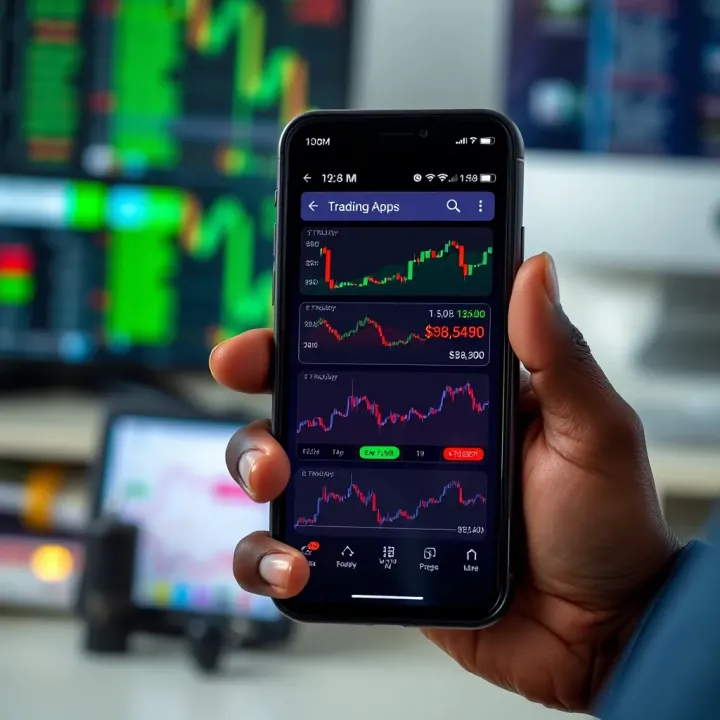
Discover how to pick the best trading app for Nigerian investors 🇳🇬. Compare features, fees, and security to trade confidently and grow your investments 📈.
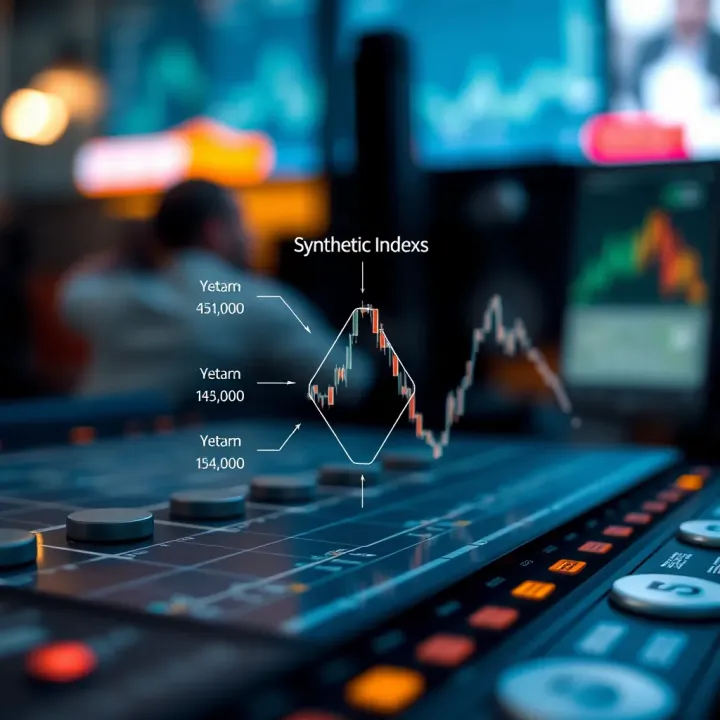
📈 Discover how synthetic indices work, their features, risks, and role in markets. Get insights on regulation and future trends for Nigerian traders.
Based on 15 reviews