
TradingView Synthetic Indices Explained for Nigerian Traders
📈 Explore synthetic indices on TradingView! Learn how Nigerian traders can analyze, manage risks, and optimize strategies for smarter trading decisions.
Edited By
Amelia Roberts
Synthetic indices replicate real market behaviour to offer traders a chance to speculate without owning the actual assets. Unlike traditional indices, these are computer-generated and available 24/7, making them accessible for traders in Nigeria who want to avoid restrictions of regular stock markets.
The most volatile synthetic indices—such as Volatility 75 Index, Volatility 100 Index, and Volatility 10 Index—mimic the price swings of real markets but often show more abrupt and larger fluctuations. This volatility attracts traders looking for fast-profit opportunities but also carries higher risks if unmanaged.
Volatility in synthetic indices can be a double-edged sword: while it opens doors for sizeable gains, it demands that traders be sharp on risk management and strategy adjustments.
In Nigeria's trading environment, where power outages and internet reliability may affect timing, understanding these indices’ behaviour is even more essential. For instance, the Volatility 75 Index simulates the jumps seen in technology stocks, reflecting intense market action within short periods. Meanwhile, Volatility 10 moves slower, offering a gentler ride for less aggressive traders.
Being fully aware of the characteristic price swings helps in spotting entry and exit points. Experienced traders might apply tight stop losses and adjust position sizes to manage sudden changes. Using demo accounts to practise before committing real naira is advisable, especially with such unpredictable instruments.
Traders should also account for the synthetic nature of these indices. They do not respond to news or economic events the way traditional indices do, since their movements depend on algorithms rather than real transactions. This means that typical fundamental analysis has limited application, and one must rely more on technical analysis and pattern recognition.
Overall, synthetic indices represent an exciting but challenging area in trading, especially for Nigerians who appreciate quick opportunities amid a sometimes unstable financial landscape. Armed with the right knowledge and tools, navigating these choppy waters can be more manageable.
Synthetic indices are financial instruments designed to mimic the behaviour of real market indices without being tied to actual assets. This means traders can speculate on price movements generated by algorithms, rather than buying shares or commodities. For instance, while the Nigerian Stock Exchange tracks shares of local companies, synthetic indices simulate market dynamics based on mathematical models — offering opportunities to trade 24/7 without the interruptions of traditional market hours.
Because these indices are algorithm-driven, their price movements reflect calculated patterns and volatility, not influenced by real-world events like earnings reports or economic policies. This setup allows traders to focus on technical analysis and strategy without concerns about company fundamentals or geopolitical shocks.
Synthetic indices replicate market swings through complex algorithms that produce price fluctuations similar to real markets. These algorithms factor in randomness and trend cycles to simulate rises and drops in prices. For traders, this means synthetic indices offer consistent volatility and predictable patterns. For example, the Crash 1000 and Boom 500 synthetic indices generate sudden sharp increases or drops, replicating the tension found in real crash or boom scenarios.
The practical value here lies in accessibility. Nigerian traders can engage with these markets anytime, especially given the limited trading hours of local exchanges. Plus, synthetic indices allow speculation without needing huge capital investments or exposure to political or economic risks common in real asset markets.
Traditional indices like the NSE All-Share Index reflect the actual prices of securities listed on exchanges. Their prices depend on supply and demand impacted by earnings results, government policies, or currency fluctuations. Synthetic indices, however, run purely on pre-set algorithms designed to simulate volatility patterns without real underlying assets.
This distinction means trading synthetic indices involves a different risk profile. Movements can be faster and more extreme since they don’t respond to real-world news but to programmed conditions. This calls for the need to understand their unique behaviour and develop specialised trading strategies, unlike what one would use for stocks or commodities.
Many brokers have integrated synthetic indices into their offerings, targeting Nigerian traders who want alternatives to traditional markets. Platforms like IQ Option and Deriv provide popular synthetic indices such as Boom 500 and Crash 1000. Nigerian brokers like FXTM and UBA’s trading arm also allow access to derivatives on broader indices, though for synthetic indices, international platforms remain prevalent.
Nigerian traders benefit from these platforms because they combine local payment options, like bank transfers and USSD payments, with global market access. This broadens opportunities without the worries of naira volatility or exchange restrictions.
Most leading brokers provide user-friendly trading apps and web platforms tailored for Nigerian internet environments. This means synthetic indices trading is possible on modest data connections via mobile devices, critical for traders outside major cities. For example, Deriv’s platform is light and offers instant execution, while IQ Option’s app supports multi-asset trading and demo modes, helping traders practice risk-free.
Besides convenience, mobile access offers trading flexibility — you can monitor volatility and place trades during commutes on an okada or while at a mama put. The ability to tap into synthetic indices anytime, anywhere is a significant advantage, especially since these markets operate 24/7, unlike the NSE or LSM (Lagos Metal Exchange).
For Nigerian traders, understanding how synthetic indices work opens the door to fresh opportunities for diversification and trading across global hours without the need for huge capital or direct exposure to asset ownership.
This section underscores why grasping the basics of synthetic indices is vital before delving into volatility or risk management strategies.
Synthetic indices stand out because their prices don’t depend on physical assets or real-world trading. Instead, volatility comes from coded algorithms and simulated market behaviour. Understanding what fuels this volatility is key for traders who want to navigate these markets confidently and avoid nasty surprises.
Synthetic indices rely heavily on algorithmic models to generate price movements. These algorithms mimic market psychology and random fluctuations but operate on pre-set rules, producing sharp and sometimes unpredictable swings. For instance, an index like Boom 500 can show sudden spikes due to its programmed patterns, which don’t always follow the logic of traditional supply and demand.
This algorithm-driven volatility means prices can shift rapidly without any external news or events. Traders must therefore be vigilant and use tools like volatility indicators to monitor these fluctuations closely rather than relying on fundamentals.
Liquidity and volume directly impact price stability, even in synthetic markets. When many traders engage actively, the market smoothens out some of the choppiness because orders are executed more efficiently. However, during off-peak hours, lower volumes can cause more erratic price changes since fewer trades move prices sharply.
For Nigerian traders, who might prefer trading during local waking hours, understanding times of higher liquidity on platforms offering synthetic indices is helpful. It ensures better execution and less surprising slippage, especially on volatile indices like Crash 1000.
Unlike most traditional markets that close on weekends or nights, synthetic indices run 24/7. This nonstop operation means price swings can happen any time, even when global economic news is quiet. For example, during Nigerian public holidays or late-night hours, traders still see price moves triggered solely by algorithmic cycles.
The continuous availability increases opportunities but also risk. Traders must manage positions actively or apply strict stop-loss settings to protect against sudden overnight swings.
Although synthetic indices are disconnected from real assets, global events sometimes influence trader behaviour indirectly. For example, during significant economic announcements — such as changes in the Central Bank of Nigeria’s monetary policy or oil price shocks — Nigerian traders may react by shifting positions en masse, affecting liquidity and volatility on synthetic platforms.
That said, synthetic indices do not move in strict correlation with these events. This can provide a hedge for those looking to trade volatility but require careful timing to avoid unexpected price jumps driven by panic or sudden surges in demand.
Remember, synthetic indices are volatile not simply because of external factors but due to their unique structure and trading environment. Knowing these characteristics can give you an edge and protect your capital in these fast-paced markets.
Understanding the most volatile synthetic indices is vital for traders looking to balance risk and reward effectively. These indices mimic market behaviour through algorithms, resulting in sharp price movements that can offer lucrative opportunities but also intensify risks. Nigerian traders, in particular, benefit from knowing which indices swing the most, as this knowledge helps tailor strategies and manage exposure efficiently.
Synthetic versions of the Volatility Index (VIX) replicate the market's expectation of future volatility, just like the traditional VIX derived from stock options. These instruments provide an avenue for traders to speculate on market uncertainty without owning actual equities. For example, Nigerian traders can use synthetic VIX products to hedge against market downturns or capture profit during turbulent periods.
The practical relevance lies in the VIX’s sensitivity to sudden shocks—like political unrest or global economic reports. Synthetic variants respond with sharp price jumps, often within minutes, giving scalpers or day traders a potential edge. However, the risk of rapid reversals means understanding timing and exit strategies is essential.
Crash 1000 and Boom 500 are synthetic indices well known for frequent, intense spikes — the "crash" representing sudden price drops, while the "boom" signals rapid rises. These indices simulate high-volatility assets and attract traders who prefer short bursts of price action.
For instance, the Crash 1000 index might suddenly drop 10% in seconds, offering rapid shorting opportunities but also demanding strict risk controls. Boom 500 shows the reverse, where sudden price surges can lead to quick profits for long positions. For Nigerian traders, mastering these indices means understanding their erratic yet predictable patterns within specific timeframes.
Volatility in synthetic indices is not uniform throughout the day or week. Certain hours or days, like during market opens in major economies, tend to generate stronger price moves. Nigerian traders will notice spikes in volatility often occur late evening WAT when European markets react to overnight news.
Also, weekends may show different volatility patterns on synthetic indices compared to real markets, since synthetic markets run 24/7. Tracking these patterns helps traders pick optimal times for trading, reducing exposure during unpredictable periods.
Traders adapt their strategies based on volatility rhythms. For example, high volatility periods suit scalping and short-term trades requiring quick entry and exit. Nigerian traders might use tight stop losses and small position sizes during Crash 1000 or Boom 500 spikes to protect capital.
In calmer periods, swing trading becomes more viable, allowing traders to ride wider price swings over days or weeks. Volatility also dictates leverage use; higher swings often mean lower leverage to avoid margin calls. Understanding these influences ensures traders don’t overexpose themselves and can seize opportunities as they arise.
Recognising the unique behaviours of volatile synthetic indices is key to trading success. Knowing when and how these price swings happen provides Nigerian traders with an informed advantage in otherwise choppy markets.
Trading volatile synthetic indices demands a firm grip on risk management. Their rapid price swings can lead to significant gains but also steep losses if traders go in without clear controls. Nigerian traders, dealing with market unpredictability and sometimes limited access to detailed market data, should prioritise risk management techniques that protect capital and maintain discipline. Understanding how to set boundaries and monitor exposures allows for calmer decision-making rather than emotional reactions to sudden market shifts.
Stop loss and take profit orders are essential tools that help traders lock in gains or cut losses without constantly watching the screen. For example, if a trader enters a Boom 500 trade at ₦10,000, they might set a stop loss at ₦9,000 to avoid losing more than ₦1,000 if the market turns against them. At the same time, a take profit level at ₦11,500 ensures they capture gains when the price reaches that target. This approach reduces guesswork and emotional decision-making, especially when volatility spikes despite 24/7 market access.
In Nigeria, where internet disruptions are common, these automatic orders provide a safety net. Without them, a trader could be caught off guard by sudden price drops or rallies while offline or dealing with power outages. Proper stop loss placement considers daily volatility ranges of the synthetic index, preventing premature exit yet containing loss risks.
Position sizing involves deciding how much capital to risk on any single trade. Even the most promising trade can backfire, so spreading risk is key. Nigerian traders might allocate only 1–2% of their trading capital per trade. For instance, with a ₦100,000 trading fund, risking ₦1,000–₦2,000 per trade limits damage from a bad call.
By adjusting the size of their positions based on volatility, traders can stay in the game longer. In highly volatile synthetic indices like Crash 1000, smaller positions are safer because price swings can be sharp and fast. This strategy prevents wiping out a significant part of capital on a few trades, allowing multiple opportunities instead.
Using volatility indicators like Bollinger Bands or Average True Range (ATR) helps traders gauge market activity levels in real time. With charting platforms that support these tools, such as MetaTrader or TradingView, traders can visually spot when synthetic indices enter phases of heightened or subdued volatility.
Nigerian traders benefit from platforms that offer both desktop and mobile access since reliable internet can be spotty. These indicators assist in timing entries and exits; a sudden widening of Bollinger Bands signals growing volatility, suggesting the need for tighter stop losses or reduced position sizes.
While synthetic indices don’t react directly to physical market news, global economic events can influence traders' behaviour and volatility levels. Access to timely newsfeeds and alert systems can inform traders about shifts in market sentiment or changes on other correlated financial markets.
Setting up alerts on platforms like MTN or Glo data plans targeted at financial news can help traders react promptly. Also, services from brokerages like Deriv or expert forums provide notifications on unusual price movements or technical analysis signals, which add an extra layer of awareness when trading volatile synthetic indices.
Effective risk management isn’t just for big players; every Nigerian trader can protect their capital by combining stop loss, position sizing, and insightful tools to keep volatility in check.
Trading highly volatile synthetic indices demands clear-cut strategies to navigate sudden price swings without losing control of risk. This section breaks down practical trading methods suited to Nigeria’s fast-moving markets, helping you optimise entry and exit points while managing exposure effectively.
Scalping involves making multiple quick trades to capture small price changes. Since synthetic indices often fluctuate sharply within minutes or even seconds, scalping can yield consistent profits if executed swiftly. For example, on the Crash 1000 index, scalpers might exploit rapid downswings triggered by algorithmic patterns, entering and exiting positions in under five minutes to lock in tiny gains repeatedly. The key is tight stop-loss orders and fast decision-making—it’s a fast dance where hesitation can cost you.
Unlike traditional markets with fixed hours, synthetic indices run round the clock, giving day traders flexibility to pick favourable trading windows. This is particularly useful in Nigeria, where internet reliability and power supply can vary during the day. Focusing on session times with higher liquidity, like late evening or early morning WAT, can reduce spreads and slippage. Day trading also allows traders to close all positions before the day ends, avoiding overnight risks common with volatile synthetic markets.
Swing trading targets larger price moves over a few days or weeks, which fits well with synthetic indices showing predictable volatility cycles. For instance, traders watching Boom 500 might hold positions through minor dips, aiming to benefit from the next upward swing. This approach requires patience and monitoring key resistance or support levels, using technical analysis tools like moving averages to time entries. Swing trading suits those who can’t monitor charts constantly but want to stay in the game beyond rapid scalps.
Volatility means occasional shocks that can turn trades upside down quickly. Hedging offers a shield by opening positions that counteract unintended losses. For Nigerian traders, one practical method is using correlated synthetic indices or standard assets like forex pairs to offset risk. For example, if you hold a long position on Crash 1000, opening a short on a less volatile index can soften adverse moves. This technique isn't foolproof but can stabilise your portfolio during sudden market gyrations.
Effective trading on volatile synthetic indices demands not just aggressive tactics but balanced risk management. Combining scalping, day trading, swing strategies, and hedging gives traders a flexible toolkit to handle unpredictable market rhythms.
By adopting these approaches thoughtfully, you can make the most of synthetic indices' unique features while keeping loss risks manageable and seizing profitable opportunities often missed by traditional investors.
📈 Explore synthetic indices on TradingView! Learn how Nigerian traders can analyze, manage risks, and optimize strategies for smarter trading decisions.
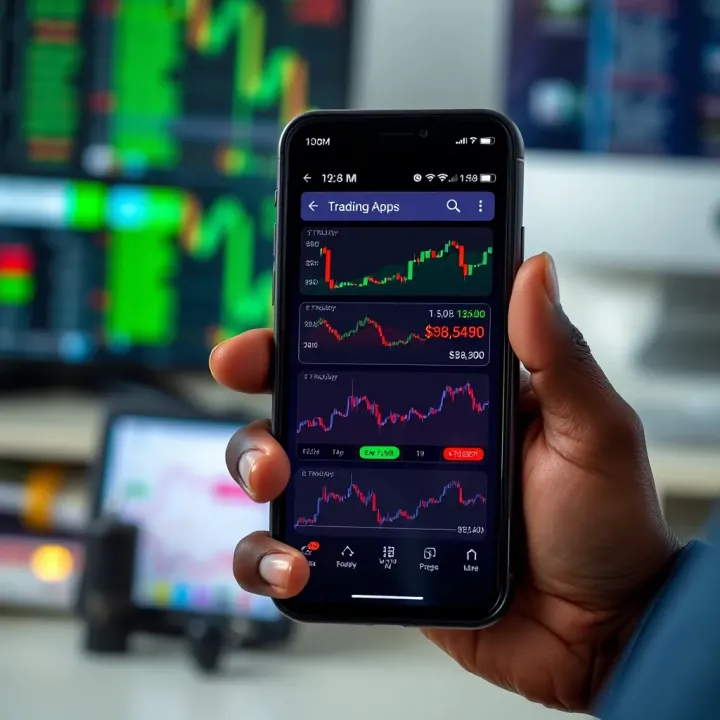
Discover how to pick the best trading app for Nigerian investors 🇳🇬. Compare features, fees, and security to trade confidently and grow your investments 📈.
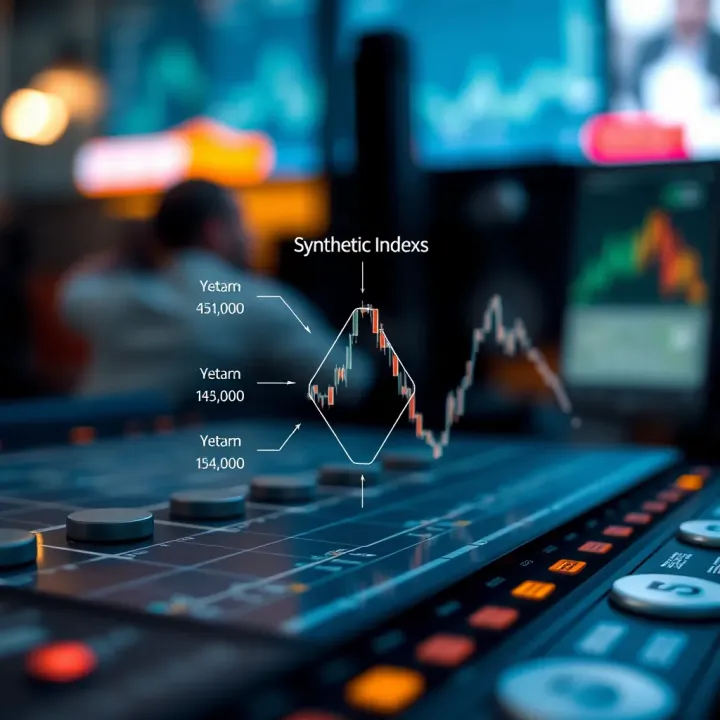
📈 Discover how synthetic indices work, their features, risks, and role in markets. Get insights on regulation and future trends for Nigerian traders.
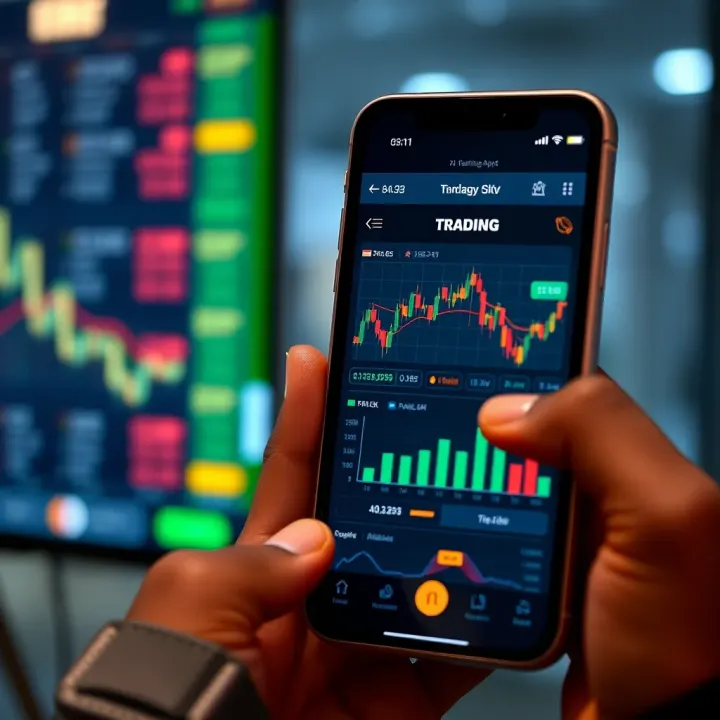
Find the best trading app in Nigeria 🇳🇬 with our guide covering security, fees, usability, market access, and support to trade confidently and safely 💼📱
Based on 15 reviews