
TradingView Synthetic Indices Explained for Nigerian Traders
📈 Explore synthetic indices on TradingView! Learn how Nigerian traders can analyze, manage risks, and optimize strategies for smarter trading decisions.
Edited By
Amelia Roberts
Synthetic indices have become popular among traders worldwide, including Nigerian investors keen on diversifying their portfolios without direct exposure to traditional assets. Unlike indices based on real markets, synthetic indices are simulated price movements generated by computer algorithms. They mimic market volatility and trends, offering round-the-clock trading opportunities without the disruptions typical of real-world markets.
Understanding lot sizes in synthetic indices is essential for managing your trading risk effectively. Lot size refers to the quantity of units you buy or sell in a trade. In synthetic trading, lot sizes determine your exposure and the magnitude of your potential profit or loss. It’s vital to pick a lot size that suits your capital and risk tolerance, especially given the unique behaviour of these indices.
For example, putting all your capital into a large lot on a volatile synthetic index can wipe you out quickly. Conversely, very small lot sizes might reduce your returns, making it harder to meet trading targets. Many Nigerian trading platforms that offer synthetic indices, such as Deriv or Expert Option, provide clear guidance on minimum and maximum lot sizes. These platforms often use standard lot sizes similar to Forex trading, adjusted to their product specifications.
Choosing a lot size is not just about how much you want to trade — it’s about balancing potential gains against risk. The right lot size keeps you in the market longer and protects from sudden swings.
When considering lot sizes, remember these key factors:
Account balance: Your available capital sets the ceiling for how large your trades can be.
Volatility: Synthetic indices can be highly volatile. Larger lot sizes mean bigger swings, so monitor index behaviour carefully.
Leverage: Margin trading amplifies exposure. Be cautious; leverage can increase both profits and losses.
Trading strategy: Your approach—scalping, swing, or longer-term—will influence the lot size suitable for your style.
Understanding lot size conventions on your platform is crucial. Most platforms include this information in their PDF guides, showing minimum trade size, incremental changes, and maximum limits. Read these carefully to avoid costly mistakes.
In summary, a practical grasp of synthetic indices lot sizes helps you trade smarter, especially in Nigeria’s unique market context. It keeps your risks manageable while positioning you to capitalise on opportunities.
Understanding synthetic indices is key for any trader looking to expand beyond traditional markets. Synthetic indices are financial instruments designed to mimic real market movements but are generated from mathematical models instead of actual assets. This makes them attractive for traders in Nigeria who want consistent trading opportunities without the unpredictability that comes with real-world events, such as political shocks or supply disruptions.
Synthetic indices are virtual assets created by software algorithms. They simulate market behaviour 24/7, unaffected by standard market holidays or external economic factors. For instance, a synthetic volatility index might move based on programmed randomness and volatility formulas rather than trading activity in commodities or stocks. Key features include fixed market hours, predictable volatility patterns, and transparency since price feeds are generated internally rather than from external markets.
In Nigeria, many online platforms like Binomo, Deriv, and IQ Option provide access to synthetic indices. Among the popular ones are Volatility 10, Volatility 25, and Volatility 50 indices, which indicate different volatility levels – the higher the number, the more price swings you might see within short periods. Traders often prefer Volatility 10 during quiet trading hours because of its moderate movement, while Volatility 50 attracts those looking for bigger profit chances albeit with higher risk.
Synthetic indices differ markedly from traditional assets such as FX pairs or equities. Unlike naira-dollar forex rates affected by trade flows, government policies, or economic data, synthetic indices rely entirely on mathematical modelling. This means they can operate even when markets are technically closed—something unavailable with real commodities or stocks. To illustrate, while Lagos stock exchanges rest during holidays, traders can still engage with synthetic indices around the clock. However, this also means no dividends or interest apply, and learning to interpret artificial price patterns is crucial.
Synthetic indices offer Nigerian traders a continuous, regulated, and model-driven market alternative, but they demand good understanding of volatility mechanics and risk control tailored to their unique behaviour.
This introduction helps set the stage for grasping lot sizes in synthetic indices trading, equipping you with context to make wiser trading decisions on local platforms.
Understanding lot sizes is key when trading synthetic indices. Lot size determines how much of an asset you buy or sell in a single trade, directly influencing your potential profit or loss. For Nigerian traders, grasping this concept helps control risk and optimises trading strategies on platforms like Deriv or IQ Option where synthetic indices are popular.
In synthetic indices trading, a lot size refers to the number of units of the underlying synthetic asset you trade. These indices are not physical but algorithm-driven, and lot size represents your exposure to price movement. For example, trading one standard lot might represent 100 units of the synthetic index. If the index moves by one point, your profit or loss will depend on how many units you hold, making the lot size crucial.
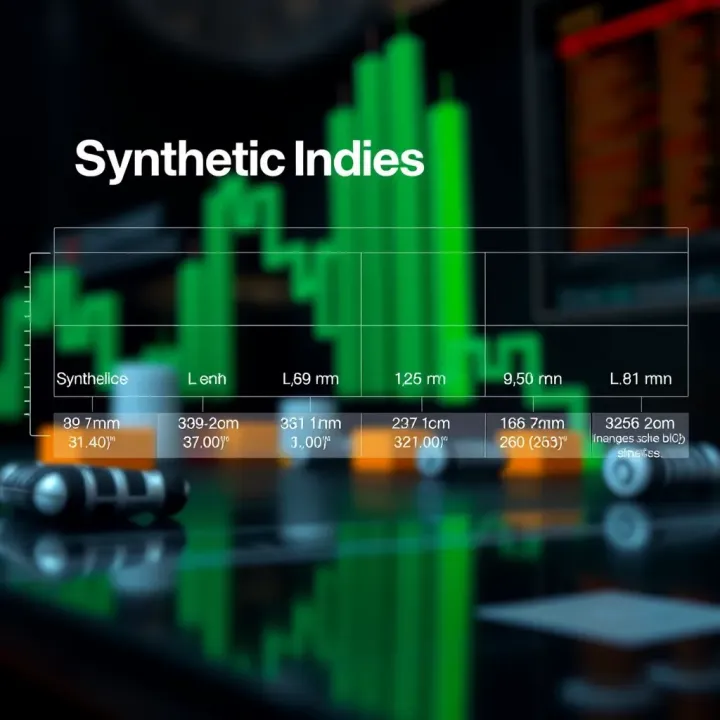
Standard lot sizes in synthetic indices typically equal 100 units per lot, but this can vary with the broker. For instance, a standard lot of 100 units might mean that for every point movement, your balance adjusts by a fixed amount, often ₦1 or more per unit. If you trade 1 standard lot and the index moves 10 points in your favour, you could make about ₦1,000. Traders need to verify lot value with their platform, as it affects margin requirements and risk exposure.
For traders with smaller accounts or cautious risk appetite, mini and micro lots provide flexibility. Mini lots usually represent 10 units, while micro lots can be as low as 1 unit. This smaller scale allows Nigerian traders to enter markets without risking large sums of naira upfront. For example, a beginner might start with micro lots at ₦10 per point movement, making losses manageable while learning market behaviour.
Managing lot sizes according to your account size and risk preference is essential. Trading huge lots without proper knowledge often leads to quick losses, especially in the volatile synthetic indices market.
In practice, adjusting lot size lets you tailor your trades to your finances and goals. A small-scale trader might open multiple micro lot positions to diversify, while an experienced trader could use standard lots to maximise profits. Understanding lot sizes and their practical impact is a must for successful synthetic indices trading in Nigeria.
Choosing the right lot size when trading synthetic indices hinges on understanding key factors that directly impact your trading results and risk exposure. Getting this balance wrong can quickly eat into your capital or cause missed opportunities, especially in Nigerian markets where platform conditions and local volatility matter a lot.
Your account balance sets the foundation for your lot size decisions. For instance, if you have ₦50,000 in your trading account, placing a standard lot worth ₦500,000 without leverage would be unrealistic. Leverage enables you to control larger positions with smaller capital, but it also magnifies losses. For example, using 1:100 leverage means you control ₦5 million with just ₦50,000. However, this increases your risk significantly.
Traders should calculate their maximum acceptable loss per trade as a percentage of their account balance—commonly 1-2%. This guideline helps decide the maximum lot size to avoid wiping out an account during adverse price moves. Remember, Nigerian traders often deal with fluctuating naira values, making conservative lot sizing crucial to withstand market swings and local currency instability.
Synthetic indices simulate real market behaviours but can have unique volatility patterns. High volatility periods demand smaller lot sizes to avoid large drawdowns. For instance, during events like Nigerian electoral periods or global market shocks, volatility spikes unusually.
Use volatility measures, such as average true range (ATR) or broker-supplied volatility indexes, to adjust lot sizes dynamically. If a DAX synthetic index shows increased swings, reduce your lot size accordingly. Otherwise, try trading mini or micro lots to keep positions manageable.
Your trading style directly influences lot size choice. Day traders with tight stop-loss points usually prefer smaller lots to allow quick exits with minimal losses. On the other hand, swing traders holding positions longer might opt for moderate lot sizes but must be ready to absorb wider price fluctuations.
Risk tolerance varies from trader to trader. A beginner in Lagos with limited disposable capital should stick to mini or micro lots to gain experience without risking large sums. Experienced traders who can stomach higher risks might increase lot sizes when the strategy signals high-confidence setups.
Ultimately, selecting your lot size means balancing how much you can afford to lose, the current market mood, and your personal approach to risk. That balance keeps your trading sustainable over time.
Align lot size to your account balance and the leverage used
Adjust lot sizes based on volatility indicators and market events
Match lot size decisions with your trading strategy and risk appetite
Mastering these factors helps Nigerian traders navigate the synthetic indices market smarter, protecting capital while positioning for optimal gains.
Many Nigerian traders overlook the value of lot size PDFs, yet these documents can be real gems for navigating synthetic indices trading. Lot size PDFs typically compile key information on trade volumes, minimum and maximum lot sizes, and position value, all presented clearly for quick reference. Using these PDFs helps traders avoid guesswork, reduce overexposure, and maintain consistent risk management.
Lot size PDFs usually break down lot sizes into categories like standard, mini, and micro lots, specifying the exact units and associated contract values. For example, a standard lot on a synthetic index might represent 100 units, while a micro lot could stand for just 1 unit. These details clarify how much capital you’re committing per trade. For Nigerian traders using platforms like Deriv or Binary.com, the PDF will also state margin requirements and the minimum deposit needed to trade specific lot sizes, adding local relevance.
The documents also outline how price movements relate to lot size, often presenting pip or point values — crucial for calculating profit or loss. Say a one-point move on an index equals ₦500 per standard lot; this helps you plan your trades and set stop-loss or take-profit levels accordingly.
Most PDFs feature charts showing lot sizes alongside margin calls, leverage ratios, and expected profit or loss per price movement. These tables offer a direct way to compare risk at different lot sizes. For instance, a table might show that trading 2 standard lots requires ₦100,000 in margin, whereas 0.5 lots need just ₦25,000.
These charts often include volatility indicators for synthetic indices to help you understand when larger lot sizes could be risky. In volatile markets, even experienced traders reduce lot sizes as noted in these guides. This emphasises why referring to these tables daily before placing trades can save your capital from unexpected swings.
To make practical use of lot size PDFs, first match the recommended lot sizes to your account balance and risk appetite. If your trading account holds ₦200,000, the PDF might suggest a maximum of 1 standard lot or 5 mini lots for balance and capital preservation.
Also, adjust lot sizes according to market conditions highlighted in the PDFs. For example, during high volatility, the PDF may advise lowering your lot size to reduce risk exposure — a tip worth taking seriously in Nigeria’s dynamic markets.
Remember, the guidance in lot size PDFs is not one-size-fits-all but a starting point. Adapt the figures based on your actual trading experience and ongoing market changes. Following this approach prevents reckless trading and builds disciplined habits, essential for lasting success.
Always keep your lot size PDFs handy, especially when trading synthetic indices on platforms popular in Nigeria. They act as a compass in the often fast-moving and volatile synthetic markets, ensuring your trades stay within safe limits.
Using synthetic indices lot size PDFs effectively empowers you to make informed decisions, protect your capital, and understand the link between lot size and risk precisely. This practical tool complements your strategy and experience, making your trading journey less about guesswork and more about control.
Managing risks is vital when trading synthetic indices, especially with varied lot sizes. Since lot size directly affects how much capital is exposed to potential loss or gain, understanding risk management helps protect your investment and maintain longevity in trading.
Stop-loss and take-profit levels must reflect your lot size to keep risks balanced. For example, if you trade one standard lot (usually 100 units), a 10-pip stop-loss may translate to a bigger ₦ loss compared to trading a micro lot (1 unit). So, a larger lot requires tighter or more carefully calculated stop-loss to avoid wiping out your account quickly.
Using a stop-loss of ₦2,000 for a standard lot might only allow a 5-pip move before exit, but with a smaller lot size, the stop-loss could be wider. Take-profit levels should also relate realistically to lot sizes—always aim for a favourable risk-to-reward ratio, at least 1:2, to grow your capital steadily.
Your position size is the amount of synthetic index units you buy or sell per trade. Picking the right size depends on your account balance and risk appetite. For instance, a ₦100,000 account should not risk ₦20,000 on a single trade; instead, it might risk 1–2%, meaning ₦1,000 to ₦2,000 per trade.
Scaling your lot size to risk only a small fraction of your capital gives you a cushion against losses and avoids the danger of blowing your account during volatile market moves. Nigerian traders dealing with naira volatility or power outages must be especially cautious since stop-outs can happen faster with unexpected disruptions.
As you gain more experience and knowledge of synthetic indices, adjusting your lot size makes sense. A beginner might start with micro or mini lots to limit exposure and increase confidence.
Once familiar with the market’s rhythm and managing risks, you can gradually increase lot sizes to boost profits, provided your capital and strategies allow it. For example, moving from 1 micro lot to 5 mini lots with proper stop-loss adjustments reflects a good progression.
Patience and discipline in stepping up your trading size prevents reckless decisions, ensuring steady capital growth in Nigeria’s dynamic trading environment.
Remember: Managing your lot sizes with clear stop-loss and take-profit plans protects your capital. Always balance position size with what your account can handle and adjust as you grow to trade more confidently and sustainably.
By mastering risk management tailored to varied lot sizes, Nigerian traders can better navigate synthetic indices. This approach reduces stress, improves decision-making, and increases the chance of long-term success.
📈 Explore synthetic indices on TradingView! Learn how Nigerian traders can analyze, manage risks, and optimize strategies for smarter trading decisions.
📈 Discover how synthetic indices work, their features, risks, and role in markets. Get insights on regulation and future trends for Nigerian traders.
📉 Learn about the most volatile synthetic indices traders use to speculate without owning assets. Get advice on managing risks and spotting market moves in Nigeria’s trading scene.

Wondering if synthetic indices are manipulated? ⚖️ Learn the facts, risks, and safeguards to trade smarter in Nigeria and beyond. 📊 Stay informed!
Based on 6 reviews