
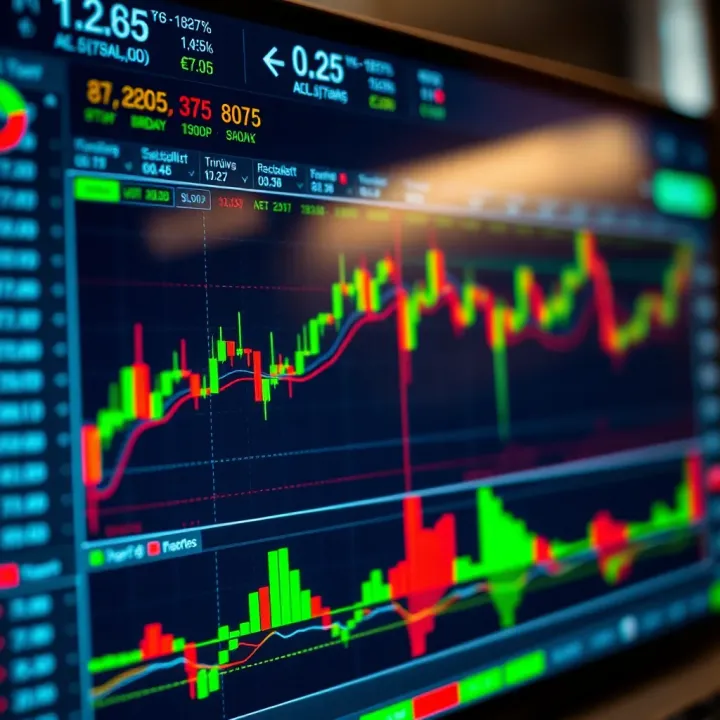
Using TradingView with Deriv for Better Trades
Boost your trading in Nigeria by linking TradingView with Deriv 📈. Learn setup tips, market analysis, and smart trade execution strategies.
Edited By
Charlotte Davies
Deriv TradingView has become a valuable tool for Nigerian traders seeking a better way to analyse financial markets and execute trades. Combining the robust charting capabilities of TradingView with Deriv’s trading services, this platform offers an integrated experience designed to meet the needs of active traders.
TradingView is widely respected for its easy-to-use interface and extensive charting features, including a variety of technical indicators, drawing tools, and customisable timeframes. By embedding TradingView charts within its own platform, Deriv enables traders to make informed decisions without needing to switch between apps or lose precious time.
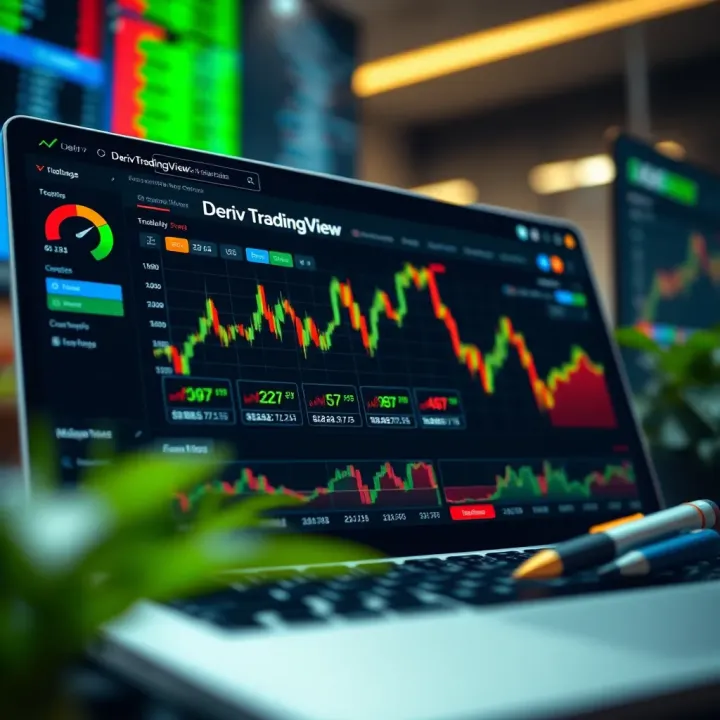
For Nigerian traders, this integration is especially handy given the often volatile naira exchange rate and local market challenges. For instance, a forex trader can quickly analyse the EUR/USD pair’s trends and execute trades directly through Deriv, combining technical insight with swift order execution.
Deriv TradingView bridges analysis and trading in one seamless platform, allowing Nigerian users to react fast to market movements without juggling multiple tools.
Some key features that stand out:
Real-time price data: Live updates on various asset classes including forex, indices, commodities, and cryptocurrencies.
Custom indicators: Traders can apply popular indicators like RSI, MACD, Bollinger Bands, or create personalised scripts.
Cross-device synchronisation: Charts and settings stay consistent whether on desktop or mobile, ideal for traders on the move.
Integrated order execution: No need to leave the chart; trades and orders can be placed directly while viewing market patterns.
Getting started with Deriv TradingView is straightforward. Nigerian traders only need a Deriv account to access the platform. From there, exploring charts and testing strategies becomes a lot smoother compared to managing external charting sites alongside trading accounts.
Whether you’re a beginner or seasoned trader, understanding how this combination works can improve your trading edge. Later sections will cover detailed features, practical examples, and tips tailored specifically for traders in Nigeria.
Understanding how Deriv integrates TradingView’s charting tools is key for Nigerian traders aiming to make informed decisions. This blend offers more than just price data; it combines a robust trading platform with advanced technical analysis, all in one place. For traders faced with the challenges of local market volatility and intermittent power supply, having access to real-time charts and trade execution under one roof streamlines the whole process.
Deriv stands as a versatile online trading platform catering to retail traders globally, including Nigerians. It allows users to trade various financial instruments, from forex and commodities to synthetic indices and cryptocurrencies. Nigerian traders find Deriv particularly useful due to its user-friendly interface and accessibility through different devices, including mobile phones — essential given Nigeria’s frequent connectivity interruptions.
On Deriv, traders have the opportunity to start with minimal capital, an advantage in a country where disposable income for investing is often limited. The platform also offers demo accounts, helping newcomers build confidence without risking real money.
The markets available on Deriv are broad enough to suit diverse trading strategies. Nigerians can trade forex pairs like USD/NGN and GBP/USD, commodities such as gold and crude oil, and synthetic indices that simulate market conditions 24/7. This variety is useful because it allows traders to spread risk or capitalise on different trends, especially when the naira faces pressure against major currencies.
TradingView is a charting platform widely loved for its intuitive design and powerful tools. It draws traders from all over the world because it simplifies technical analysis, making complex data visually accessible. Nigerian traders benefit from TradingView’s community-driven features, where users share trading ideas and scripts, fostering a collaborative learning environment.
Among TradingView’s key offerings are its diverse chart types — candlestick, Heikin Ashi, Renko — which suit different trading styles. Plus, it supports an array of built-in and custom technical indicators like Moving Averages, RSI, and Bollinger Bands, which help decode market conditions more clearly.
Deriv’s integration of TradingView charts feeds live data directly onto its platform, letting users analyse market trends and place trades seamlessly without toggling between apps. This setup is especially handy for Nigerian traders who need to conserve mobile data and prefer avoiding the hassle of switching screens while monitoring market moves.
This integration allows traders to react swiftly: spotting a price breakout on the chart and executing a trade immediately without delays that might erode profit opportunities.
The benefits are tangible. It cuts down trading time, reduces errors from manual order entry, and brings sophisticated technical analysis within easy reach — all inside one stable, regulated platform. That’s a big deal in Nigeria’s trading scene, where every second counts during volatile market sessions.
In short, understanding how Deriv leverages TradingView helps Nigerian traders unlock new ways to navigate markets efficiently, combining the best of charting technology with practical trading tools. This knowledge sets the foundation for smarter, more confident trading, especially in a financial landscape shaped by naira volatility and infrastructure challenges.
Deriv’s integration with TradingView brings powerful features that give Nigerian traders an edge in market analysis and execution. These tools are especially useful given the rapid shifts in local and global markets, helping traders respond quickly and efficiently.
Access to live price movements is vital for Nigerian traders who often deal with volatile assets like forex pairs involving the naira (NGN) or commodities such as crude oil. Deriv TradingView offers real-time data feeds that update price changes instantly, allowing you to spot opportunities or risks as they emerge. For instance, if the dollar-naira exchange rate shifts unexpectedly due to Central Bank interventions, you can react without delay.
Custom indicators and chart types expand your analytical toolkit. Beyond basic candlestick or line charts, you can apply unique technical indicators like the Relative Strength Index (RSI) or Bollinger Bands directly on the TradingView platform embedded in Deriv. This feature lets you tailor your view to suit specific strategies, whether you prefer trend-following methods or mean-reversion tactics. Nigerian traders also benefit from the ability to save chart layouts, meaning you can quickly switch between analyses suited to forex, commodities, or synthetic indices.
Placing trades without leaving the chart interface simplifies decision-making and speeds up execution. This is particularly useful in markets that require quick responses, such as binary options or forex scalping, popular among Nigerian traders seeking short-term gains. You can click directly on the chart at your chosen price level to buy or sell, skipping the need to navigate multiple pages or menus.
Streamlining order management complements this by consolidating your open positions, pending orders, and trade history in one accessible place on the platform. For example, you can adjust stop-loss or take-profit levels immediately after entering a trade without toggling between tabs. This efficiency reduces errors and helps manage risk better, which is critical when market moves are unpredictable.

Setting stop-loss and take-profit orders is essential for protecting your capital, especially when trading under fluctuating naira conditions. Deriv TradingView allows you to place these orders right from the chart, automating exit points to avoid emotional decision-making. For instance, if you buy USD/NGN at ₦410 and want to limit losses to ₦405, you can set a stop-loss order to close the trade automatically.
Price alerts and notifications keep you informed on the go. With energy shortages and network issues common in parts of Nigeria, these alerts sent to your phone or email ensure you don’t miss critical price levels or market events. Whether you set an alert for when oil prices hit $70 per barrel or when the NGN improves against the dollar, these notifications help you stay prepared.
For Nigerian traders, these combined features turn Deriv TradingView into a practical platform that balances powerful technical analysis with ease of trade execution, even when facing local challenges like internet instability or currency volatility.
By taking advantage of live data, direct chart trading, and effective risk management tools, traders can make smarter decisions and better protect their funds throughout their trading journey.
For Nigerian traders, maximising the value of Deriv TradingView means adapting to the unique challenges and opportunities within the local market. This platform blends advanced charting tools with live trading features, giving traders the power to make informed decisions quickly. To succeed, Nigerian traders must not only rely on technical data but also understand how local factors like naira volatility and infrastructure limitations impact their strategies.
Using TradingView’s technical analysis tools is a smart approach for Nigerian traders who want to predict price movements based on historical data. Tools like moving averages, RSI (Relative Strength Index), and MACD (Moving Average Convergence Divergence) help identify trends and entry points. For instance, a trader monitoring the forex market might use a combination of these indicators to spot when the NGN/USD pair is becoming oversold or overbought, signalling potential reversals.
Deriv TradingView also provides access to customisable charts, enabling traders to fine-tune indicators to match their preferred styles. This flexibility helps traders adjust technical analysis to fit specific strategies, whether day trading or swing trading, serving both novice and experienced users.
Local realities, like fluctuating fuel prices or political events, often cause abrupt market shifts that technical analysis alone might miss. For example, during ember months, seasonal spending tends to pressure the naira, impacting trading conditions. Traders using Deriv TradingView should overlay their technical data with news sources and economic calendars relevant to Nigeria.
Moreover, understanding how CBN policies affect currency rates or how electricity shortages influence stock performance can lead to better-informed trades. A trader focusing on commodity markets, such as crude oil, might factor in Nigeria’s production levels and geopolitical developments alongside chart signals to refine decisions.
Forex pairs linked to the naira tend to show higher volatility compared to other currencies. Deriv TradingView allows Nigerian traders to track real-time price swings on pairs such as NGN/USD or NGN/EUR, which are crucial for importers, exporters, and speculative traders alike. Regular monitoring helps spot sudden shifts caused by policy announcements or market sentiment.
By keeping an eye on volume spikes and price breakouts on these pairs, traders can act faster to secure profits or limit losses. For instance, if geopolitical tensions trigger a sudden dip in the naira, those watching charts closely could short forex pairs before the wider market reacts.
TradingView’s advanced charting offers patterns like Bollinger Bands and Average True Range (ATR) that help users anticipate market volatility. Nigerian traders can benefit from this by recognising periods of expected high or low volatility and adjusting their risk accordingly.
For example, during election cycles, volatility often spikes. A trader might use ATR readings on Deriv TradingView to determine whether to tighten stop-loss levels or reduce trade sizes for capital preservation. This proactive approach prevents costly surprises in a market known for sudden jolts.
Mobile access is essential for Nigerian traders who often face power outages or need to trade outside traditional office settings. Deriv TradingView’s mobile app delivers full chart functionality, allowing users to monitor markets and execute trades anytime, anywhere. This convenience is especially helpful in Lagos or Abuja where traffic might keep traders away from desktop setups.
By syncing alerts and watchlists on their phones, traders can stay updated even while attending owambe parties or commuting. Quick reaction to market moves becomes easier, reducing missed opportunities.
Given Nigeria’s frequent power and network interruptions, Deriv TradingView users should capitalise on offline features like pre-setting alerts and saving custom chart layouts. Planning trades in advance on stable internet connections supports smoother execution during outages.
Using data-saving modes and switching between WiFi and mobile networks can also help maintain access. Some traders rely on short, frequent checking intervals rather than prolonged sessions to conserve mobile data. This practical adjustment lets traders stay connected without wasting resources.
Successful trading in Nigeria requires combining solid technical tools with smart management of local realities like naira swings and infrastructure challenges. Using Deriv TradingView effectively means staying alert, adaptable, and prepared.
With the right strategies and awareness, Deriv TradingView becomes more than a charting tool — it turns into a vital companion for Nigerian traders navigating dynamic market conditions.
Starting with Deriv TradingView in Nigeria is a must for anyone serious about trading in local and international markets. This section guides you through setting up your account, navigating the platform, and developing the right habits to trade confidently. Without proper setup and practice, you risk missing opportunities or making avoidable mistakes, especially considering the unique challenges Nigerian traders face, such as fluctuating exchange rates and network issues.
Nigerian traders should be ready to provide their National Identification Number (NIN) or International Passport during registration. This local requirement aligns with global KYC (Know Your Customer) guidelines while ensuring compliance with Nigerian regulations. Your residential address and a valid means of identification help verify your profile quickly, which can make account approval smoother and faster.
Once your details are submitted, Deriv requires a verification process where you'll upload a government-issued ID and proof of address, like a recent utility bill. The platform uses these documents to confirm that you’re who you say you are. After verification, you can fund your account using Nigerian methods such as bank transfers, USSD codes (like from your bank’s app), or popular payment services including Paystack or Flutterwave. Having multiple deposit options suited for Nigerian traders reduces downtime caused by payment delays or restrictions.
At the heart of Deriv TradingView is a powerful, user-friendly charting tool. First-time users should familiarise themselves with basic functions like selecting asset classes, switching between timeframes (from one-minute to monthly charts), and applying standard indicators such as moving averages or RSI (Relative Strength Index). Understanding these tools enables quick market readings, essential during fast-moving sessions driven by events like CBN announcements.
Customising charts is one of the platform’s strengths, allowing traders to match charts with their preferred style. You might prefer candlestick charts for tracking short-term price action or line charts for a simpler overview. Colours, grid lines, and indicator settings are adjustable, which helps to reduce eye strain during long trading hours. For example, adopting a dark mode with clear, bright indicators can keep your focus sharp, especially during night sessions when you might be trading forex pairs involving NGN.
Deriv’s demo account is a great resource to practise without putting your money on the line. It mirrors real market conditions, allowing you to test strategies and understand how to navigate the interface in actual trading scenarios. For Nigerian traders juggling tight budgets, this practice space is vital before committing real funds, as it builds confidence and reduces impulsive decisions.
Setting realistic limits based on your income and financial priorities is key. Unlike some foreign traders who might risk thousands daily, Nigerian traders should be cautious and avoid jeopardising essential funds. Use features like stop-loss orders and set daily loss limits on Deriv to protect your capital. Starting small lets you learn the market rhythm and controls the emotional stress tied to losses, which can be quite discouraging if not managed well.
Getting started right on Deriv TradingView means more than opening an account; it means understanding the platform, practising smartly, and respecting your limits. This approach keeps you in the game longer and positions you to benefit steadily.
By following these steps, Nigerian traders can lay a strong foundation for successful trading with Deriv TradingView.
Trading on Deriv TradingView comes with its own set of hurdles, especially for Nigerian traders contending with local realities. Understanding these challenges and practical ways to tackle them is essential for smoother and more productive trading. From network issues to market unpredictability, recognising potential pitfalls helps you stay ahead and protect your investments.
Power outages and network instability remain common in many parts of Nigeria. One way to lessen the impact is to leverage offline features on Deriv TradingView, such as downloading key charts in advance or setting price alerts that trigger notifications once connectivity returns. This approach means you won’t miss critical market movements even when the power goes off or your data falters. For example, activating price alerts for forex pairs involving the naira can keep you informed without needing to stare at your screen all day.
Mobile data in Nigeria can be expensive and slow, especially with unreliable 3G or 4G coverage outside major cities. To conserve data, traders should disable heavy chart animations and opt for simpler chart types when using Deriv TradingView on smartphones. Also, using Wi-Fi where possible, especially at home or cafés, helps reduce mobile data usage. Some traders set data limits or use monitoring apps to avoid unexpected spikes. Efficient use of data keeps trading accessible without overstretching your budget.
The naira's value can swing quickly due to foreign exchange pressures and monetary policies by the Central Bank of Nigeria (CBN). Traders must factor in these fluctuations when creating strategies on Deriv TradingView. For instance, using technical analysis to identify volatile periods or news-driven spikes can help Nigerian traders adjust position sizes or avoid trades that might expose them to sudden losses.
Stop-loss and take-profit orders are vital risk management tools on Deriv TradingView. These allow traders to automatically exit positions if prices hit unwanted levels. In a volatile market like Nigeria's, setting these orders prevents emotional decisions during sudden price swings. Properly placed stop orders can cap losses and protect gains, especially when live monitoring is impossible due to power or network issues.
Many new traders in Nigeria fall into overtrading—placing too many trades in a short time—often driven by impatience or fear of missing out. This behaviour eats into capital quickly and raises stress. Emotional trading leads to poor choices like chasing losses or ignoring strategy. Nigerian traders should develop disciplined trading routines, using Deriv TradingView's alerts and analytics for informed decision-making rather than impulsive action.
The trading world evolves quickly, and staying educated is key for Nigerian traders to remain competitive. Using Deriv’s demo accounts and various educational resources helps build skills without risking real money. Regularly following market news, attending webinars, and learning from experienced traders sharpens your approach, reducing costly mistakes and boosting confidence.
Successful trading on Deriv TradingView depends not just on tools, but on how well you understand and navigate challenges like network instability, market volatility, and emotional traps. Taking these steps seriously will improve your chances of consistent profits and sustainable trading.
Boost your trading in Nigeria by linking TradingView with Deriv 📈. Learn setup tips, market analysis, and smart trade execution strategies.
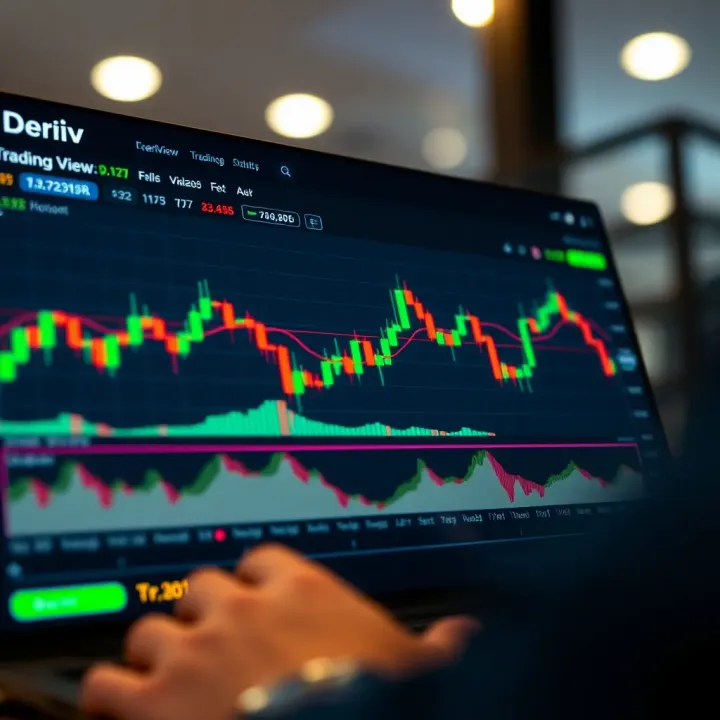
Explore TradingView on Deriv 📈: Learn how to use charting tools, enhance your strategies, and trade smarter in Nigeria and similar markets.
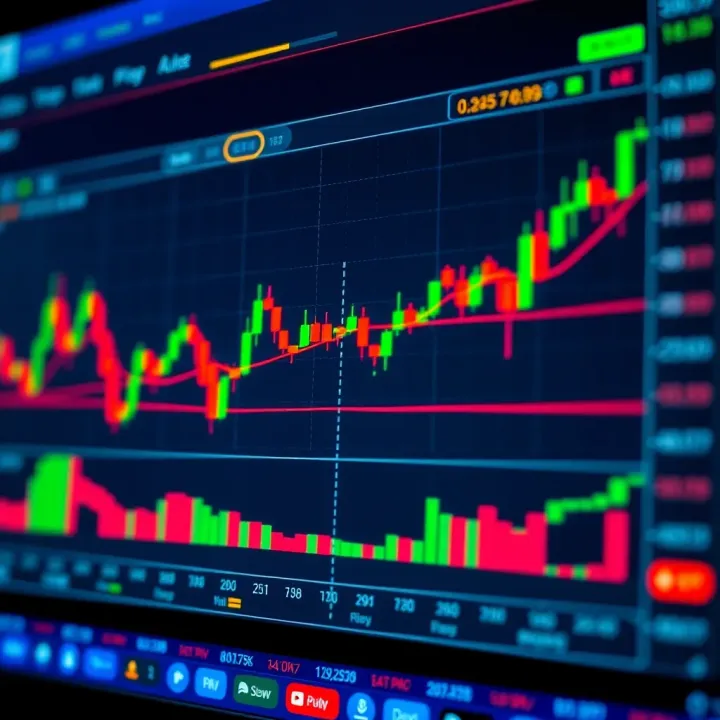
Discover how Nigerian traders can seamlessly connect TradingView's advanced charts with Deriv's platform 🔗. Get tips on security, fees, and smart trading strategies 📈💡.
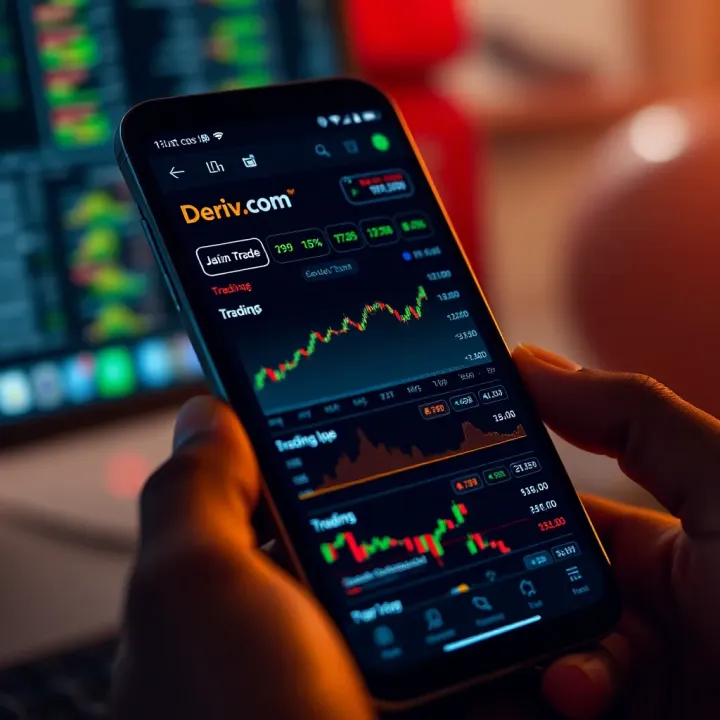
Explore the Deriv.com trading app 📱 with secure features, easy account setup, diverse payment options 💳, and tips to boost your trading skills in Nigeria 🇳🇬.
Based on 14 reviews