
Understanding Tiering: How It Shapes Nigerian Markets
Discover how tiering ranks products, services, and customers for smarter pricing and service delivery across Nigerian markets 📊📈 Learn benefits and challenges.
Edited By
James Thornton
Urban markets across Nigerian cities are bustling hubs where commerce thrives amid a complex mix of opportunities and obstacles. Traders here do more than just buy and sell; they build intricate networks and business empires often from scratch. Lagos, as the commercial nerve centre, offers a vivid example of how city traders manoeuvre through challenges like fluctuating naira value, erratic power supply, and shifting regulatory landscapes.
Capital management sits at the core of success. Traders often reinvest daily profits to scale operations, balancing cash flow against the unpredictability of supply chain delays and price inflation. For instance, a trader in Alaba International Market might diversify by stocking both electronics and textile goods to spread risk. Access to formal credit remains difficult, so many rely on rotating savings groups or fintech platforms like Kuda and PalmPay to bridge capital gaps.
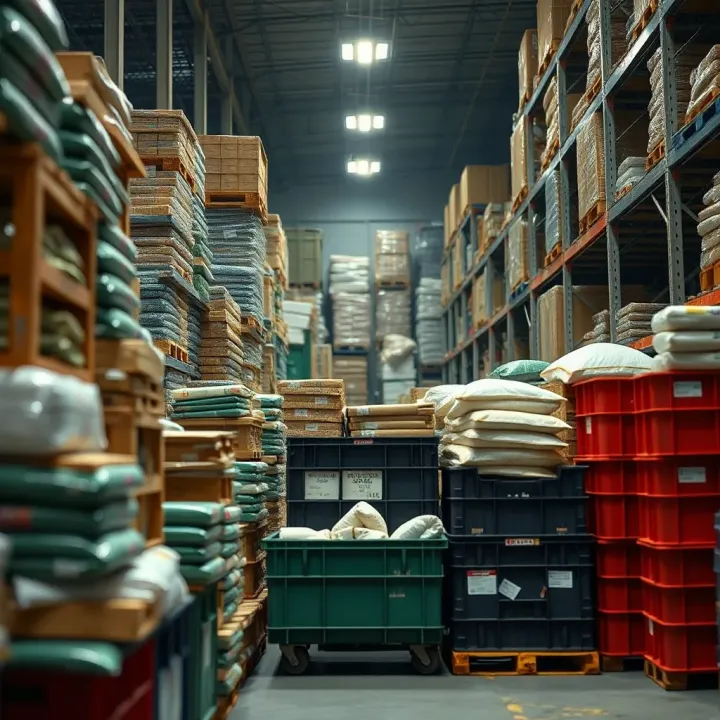
Meanwhile, supply chain logistics pose their own hurdles. Traffic congestion, poor road infrastructure, and insecurity in transit corridors cause delays and extra costs. City traders adapt by using varied transport modes—from danfo buses to okada riders—to navigate these conditions effectively. Some have started using tech solutions such as OPay to coordinate deliveries and payments, reducing overheads and improving timeliness.
Navigating regulatory frameworks can be complex, as local and federal policies often clash or change without much notice. Traders must stay alert to market levies, licensing requirements, and occasional enforcement crackdowns. In Lagos markets, local government officials may impose daily fees, adding financial pressure. Traders sometimes form associations to advocate better terms and protect mutual interests.
Informal sector realities shape everyday operations. Many city traders juggle operating cash, pay salaries, and keep goods secure without formal records. Their methods might seem improvisational but are often quite systematic and rooted in long experience.
Successful city traders combine street smarts with flexible strategies, turning challenges into stepping stones to build lasting business imperiums.
Understanding these practical realities provides key insights for entrepreneurs, investors, and policymakers aiming to support urban trade ecosystems in Nigeria’s dynamic environment.
City traders form the backbone of Nigeria's urban economy, driving daily commerce and connecting consumers with essential goods and services. Recognising their role helps us appreciate the complexities of urban trade, from small-scale vendors to importers navigating customs challenges. This understanding is key for policymakers, investors, and traders aiming to improve market efficiency and support economic growth.
City trading in Nigeria spans a broad spectrum, beginning with informal operators like the mama put—small roadside food vendors who feed thousands of busy commuters and office workers daily. These vendors often operate with minimal capital but meet a huge demand in urban centres. On the other end, some traders import goods such as electronics, textiles, and motor parts, adapting to shifting consumer tastes and supply chain challenges. Such import commerce often requires navigatimg customs procedures and fluctuating forex rates, especially with ₦'s occasional volatility.
Many traders focus on niches within urban markets, organising themselves around specialised sectors. For example, Lagos Island's Balogun Market is known for textiles and clothing, while Oyingbo Market caters more to foodstuffs and perishables. These product categories influence trading patterns and customer profiles. Specialised markets boost efficiency by creating hubs where buyers know they can find particular items, reducing search time and building customer loyalty.
City trading supports the livelihoods of millions across Nigeria. Beyond the traders themselves, it sustains a larger ecosystem including transporters (like okada and danfo operators), warehouse workers, and informal credit providers. For many, trading is a primary source of income during ember months when finding formal employment is tough. For women especially, markets offer accessible opportunities to earn and build capital, contributing to family welfare and community stability.
Urban trading operates at the intersection of Nigeria’s formal and informal economies. While many traders register their businesses and pay taxes, a large number remain informal due to bureaucratic hurdles or cost considerations. Nevertheless, these informal actors still interact heavily with formal institutions, such as banks (for loans), fintech companies (digital payments), and government agencies (for market permits). These links show how informal trade can influence and be influenced by broader economic policies and initiatives.
Understanding the layered nature of city trading helps investors and policymakers craft interventions that empower traders, improve market access, and stabilise urban economies across Nigeria.
City trading provides diverse income streams beyond wages
Specialised markets support supply chain efficiency
Informal traders form vital connections with formal systems
This foundational knowledge is essential before exploring the strategies and realities Nigerian city traders face in building their business empires.
Building a successful trading empire in Nigeria’s urban markets requires a blend of sound financial planning, strategic sourcing, and strong customer relationships. This section explores practical steps traders can take to grow their businesses despite challenges in capital, supply chains, and market competition. Understanding these strategies helps traders avoid common pitfalls and position themselves for sustainable growth.
Many city traders start their enterprises with personal savings or loans from family and friends. This approach is often the quickest way to access funds without the bureaucratic hassles of formal loans. For instance, a Lagos-based retailer might pool money from siblings or borrow small amounts from their network to stock up for the busy ember months. However, relying solely on family support requires discipline and clear repayment plans to maintain trust and ensure long-term backing.
Microfinance institutions and cooperative societies fill the gap for traders who need more structured financial support but lack collateral for bank loans. Traders often join cooperative groups where members contribute regular savings and can borrow from the collective fund at lower interest rates. For example, a cooperative in Enugu might provide loans to members to bulk purchase goods from suppliers, thus reducing procurement costs. These financial sources are practical, provided traders maintain good repayment records to avoid penalties and preserve access.
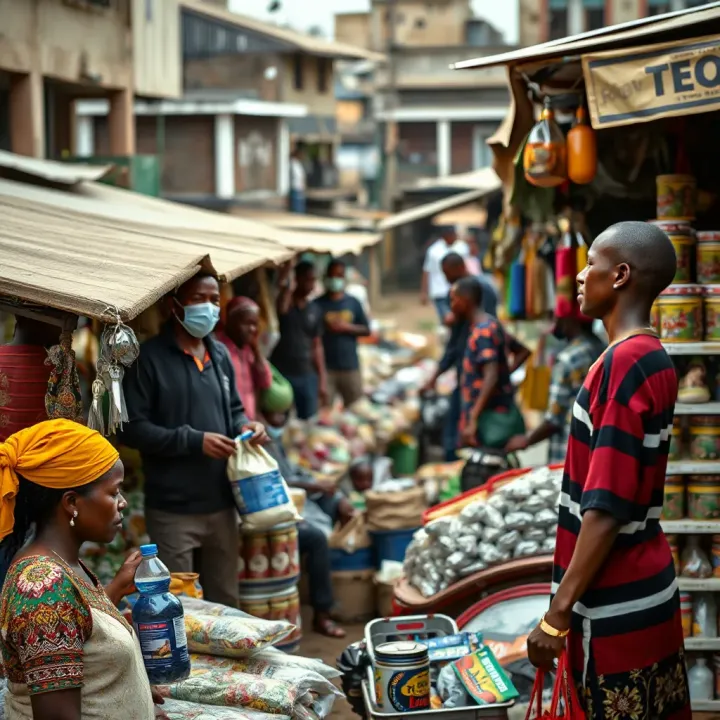
Sourcing directly from local producers helps traders cut costs and ensure fresher stock. For example, a vegetable seller in Ibadan may buy directly from nearby farms, gaining bargaining power and reducing middlemen fees. Conversely, tokunbo markets supply affordable second-hand electronics or clothing that appeal to budget-conscious customers. Effective traders balance these sources—in Lagos markets like Balogun, you’ll find smart vendors who combine local and imported products to widen choice and margins.
For traders dealing in imported goods, understanding Nigeria’s customs regulations is essential to avoid delays and extra charges. Import restrictions on certain products can lead to confiscation or surprise tariffs. A savvy trader importing textiles might engage clearing agents familiar with the Lagos ports to handle paperwork and negotiate duties. Staying updated on regulatory changes and sourcing from reliable logistics providers cuts risks and keeps goods flowing smoothly.
Nothing beats personal connection in building a loyal customer base. Traders who remember regular buyers’ preferences and offer occasional discounts or small freebies keep customers coming back. For example, a barbing salon owner in Abuja who recognises returning clients by name and offers referral incentives fosters trust and repeat business. This personal touch turns casual shoppers into regular supporters.
Word-of-mouth remains a powerful marketing tool across Nigerian urban markets. Traders who maintain goodwill in their local communities benefit from free referrals and endorsements. Joining community groups or local associations also expands reach. A food vendor in Port Harcourt might leverage community events to introduce new dishes while relying on satisfied customers to spread the word. This grassroots approach builds brand value without heavy advertising costs.
Building a trading empire is not just about the product or money; it’s about managing relationships and processes effectively within Nigeria's unique urban market landscape.
City traders in Nigerian urban markets operate in an environment full of hurdles that demand resilience and smart management. Understanding these challenges is crucial for anyone hoping to thrive or invest in this sector. The realities of regulatory pressures, security concerns, and operational difficulties such as poor infrastructure all impact traders’ ability to grow and sustain their businesses.
Many city traders face harassment from both regulatory agents and unofficial actors. This often includes demands for bribes or extortion by security personnel or local authorities, which chips away at their profit margins. For instance, traders in popular markets like Balogun in Lagos frequently recount encounters where routine levies escalate into unexpected payments under the guise of “security” or “licence checks.” Such encounters are not only financially draining but can also discourage smaller traders from formalising their businesses.
Beyond finances, this harassment affects traders’ peace of mind and restricts their operations. Constant fear of raids or fines means many avoid expanding or reinvesting, preferring to maintain a low profile. This insecure environment discourages investment in better facilities or equipment, limiting long-term growth.
On the other hand, compliance with business regulations and tax obligations presents a double-edged sword. While contributing to formal market systems, many traders find tax policies complicated or inconsistent. For example, the Federal Inland Revenue Service (FIRS) and local tax authorities sometimes impose multiple levies with overlapping jurisdiction, creating confusion.
The informal nature of many urban markets complicates tax collection and compliance. Traders often lack proper business registration or records, making it difficult to navigate tax requirements. Consequently, some shy away from official registration to avoid taxation altogether, which limits their access to formal credit and business support services.
Constant power outages remain a major obstacle. Traders relying on refrigeration or electric-powered equipment bear heavy costs running generators through erratic electricity supply, pushing operating expenses up. For example, cold room operators in Onitsha market report monthly fuel expenses upwards of ₦50,000 to keep systems running amid frequent NEPA/DISCO outages.
Transport infrastructure also strains traders’ supply chains. Lagos’ notorious traffic congestion delays movement of goods, especially those imported from ports like Apapa. Spoilage of perishable goods due to transport delays is a common risk, particularly for fruit and vegetable sellers.
Limited storage space in urban markets forces traders to operate under crowded conditions, increasing risks of damage, theft, or product loss. For example, traders selling electronics at Computer Village in Ikeja often cram goods into tight kiosks, sacrificing proper display and storage standards.
Moreover, hawkers and small-scale traders struggle to secure designated stall spaces, often relegated to roadside corners with high vulnerability to weather and vandalism. This pushes many to operate informally, compounding challenges with authorities and security.
Tackling infrastructural and regulatory challenges simultaneously will be key for city traders to enhance profitability and formalise their operations.
Overall, these challenges shape how Nigerian city traders manage their daily activities, influencing decisions on capital investment, risk management, and business growth strategies. Understanding this helps stakeholders craft support mechanisms that genuinely address traders’ realities.
Technology and fintech have reshaped trading practices across Nigerian cities, making operations more efficient and expanding reach. For city traders, embracing digital tools can reduce costs, improve payment processes, and connect them with a broader customer base. This shift is particularly vital given urban markets’ fast pace and growing consumer expectations.
Using Mobile Money and USSD Options
Mobile money services and USSD (Unstructured Supplementary Service Data) codes have become indispensable for traders, especially those operating with limited access to traditional banking. For example, sellers at bustling Lagos markets often receive payments through MTN Mobile Money or USSD codes even on basic phones, bypassing the need for bank branches or POS terminals. This method offers fast, secure transactions that work even where internet connectivity fluctuates.
Mobile money also helps traders keep records and track sales conveniently. Since many city traders rely on cashless payments during busy periods, USSD banking ensures retail business continues smoothly without the usual delays or security concerns linked to handling too much physical cash.
Integration with Platforms like OPay and Paystack
Platforms such as OPay and Paystack have transformed how urban traders accept payments and manage their finances. These fintech tools offer multiple payment options—card payments, bank transfers, and even QR code-based payments—which widen customer participation and increase sales.
For instance, a cloth trader in Abuja can now receive instant payment through Paystack’s API integration on their social media shop or website, allowing customers to buy with ease. This integration also automates payment reconciliations and sends instant notifications, helping traders avoid confusion or losses. The ease of linking these platforms with smartphones suits traders who often work on the go, enabling them to focus on other aspects of their business.
Social Media for Promotion and Sales
Social media platforms like Instagram, Facebook, and WhatsApp play a key role for city traders to broadcast their products and interact with buyers directly. Traders showcase new stock, share testimonials, and announce special offers, engaging audiences that might never visit physical markets.
For example, a makeup seller in Port Harcourt expanded her clientele significantly by using Instagram stories to demonstrate product use and offer flash discounts. This approach cultivates trust and loyalty, which can be difficult to build through traditional means in crowded urban marketplaces.
E-commerce and Delivery Logistics
E-commerce platforms and delivery services are bridging the gap between sellers and urban consumers, allowing traders to extend beyond their immediate markets. Online stores linked with logistics providers help traders handle orders efficiently even during peak periods or restrictions such as those caused by ember months or Covid-19 lockdowns.
Take a scenario where a trader in Kano sells electronics online and partners with courier companies for nationwide delivery. This arrangement increases sales without expanding physical premises or risking inventory spoilage. Timely delivery and flexible payment methods enhance customer satisfaction, a must in today’s competitive environment.
Digital adoption isn’t just a luxury but a necessity for Nigerian city traders aiming to grow sustainably and stay competitive. Proper use of fintech tools improves cash flow, widens market reach, and deepens customer relationships, securing a more resilient trading imperium.
Summary: Mobile money and fintech platforms like OPay empower traders with better payment systems, while social media and e-commerce widen market access. Together, technology and fintech support Nigerian urban traders in building stronger, more adaptive businesses.
Looking ahead, city traders in Nigeria face a landscape shaped by rapid urbanisation and shifting consumer habits. These changes present fresh opportunities alongside new challenges, making it essential for traders to adapt and innovate. Understanding the trajectory of urban markets helps traders, investors, and policymakers make informed decisions that secure sustainable growth.
Nigeria's cities, notably Lagos, Kano, and Abuja, are expanding quickly, with populations growing by millions every year. This urban swell fuels greater demand for goods and services across diverse sectors. For instance, traders dealing in household items, fashion, or foodstuff find new customers daily as more people move into the cities.
Mega-city expansion also encourages the emergence of specialised markets. Take Lagos Island’s Balogun Market, which thrives on serving a huge urban clientele with both local and imported products. Traders there leverage dense foot traffic and diverse demographics to grow their businesses.
Modern Nigerian consumers now favour convenience and quality more than before. Mobile technology and social media have broadened access to product information, making buyers more discerning. For example, younger consumers increasingly prefer branded, durable goods over cheap alternatives, creating demand shifts for city traders.
Additionally, urban dwellers often seek ready-to-eat meals or packaged foods due to busy lifestyles. Mama Put operators who diversify their menu with healthier or trendy options cater efficiently to this trend. Traders who monitor these behavioural changes can align their stock and marketing strategies to maintain relevance.
Traders need well-maintained markets with reliable power, clean water, and good sanitation to function optimally. Without these basics, businesses waste resources on generators or risk spoilage, especially for perishables. The government and local councils must prioritise upgrading market facilities to foster productive environments.
Security is equally important. Regular patrols and proper lighting reduce theft and harassment, fostering confidence among traders and buyers alike. A safe market attracts more customers and encourages longer operating hours, directly benefiting traders’ income.
Many city traders struggle with limited capital and lack formal financial records, restricting their access to traditional banks. Policymakers should therefore support microfinance initiatives and fintech platforms tailored for small traders. For example, schemes linked to mobile wallets or cooperative societies can provide affordable loans with flexible repayment.
Equally vital is offering business training in areas like bookkeeping, digital marketing, and customer service. Practical workshops can equip traders to manage cash flows effectively, tap into e-commerce, and build loyal customer bases. Such capacity building enhances resilience against market shocks and stiff competition.
Enabling city traders with better infrastructure and financial tools strengthens Nigeria’s urban economy, ensuring markets remain vibrant and traders thrive amid evolving demands.
Discover how tiering ranks products, services, and customers for smarter pricing and service delivery across Nigerian markets 📊📈 Learn benefits and challenges.

Master TradingView as a Nigerian trader 📈: learn account setup, chart tweaks, technical tools, broker links & savvy tips for profit in ₦ and local markets.

📊 Learn how DerivTradingView blends Deriv's platform with TradingView charts to boost your trading game in Nigeria. Get setup steps & expert tips now!

Explore Binary.com with this clear guide for Nigerian traders 🇳🇬. Learn about platforms, trade types, account setup, funding, withdrawals & smart tips 📈.
Based on 14 reviews