
How Nigerian Traders Can Use TradingView Effectively
Explore how Nigerian traders can set up and optimize TradingView 📊 with broker integration, custom scripts, and smart strategies for better trading results.
Edited By
Oliver Carter
DerivTradingView is a powerful combination that connects the Deriv trading platform with TradingView’s charting tools. For Nigerian traders, this integration brings a fresh way to analyse markets and place trades more effectively. Instead of juggling between two separate platforms, you get a unified experience where detailed charts and real-time data meet trading execution.
Deriv is popular across Nigeria for its straightforward interface and broad range of instruments like forex, commodities, and synthetic indices. On the other hand, TradingView is well-known globally for its advanced charting and social sharing features, which help traders track market movements down to tiny details.
By integrating these, you’re not only accessing Deriv’s market offerings but also benefiting from TradingView’s technical indicators, multiple timeframes, and user-friendly chart customisation. This makes spotting trends, support and resistance levels, or price action setups easier.
Convenience: One interface to analyse and trade.
Better decision-making: Access dozens of technical indicators from TradingView without leaving Deriv.
Time-saving: No need to switch apps when monitoring charts and executing orders.
Market insight: TradingView’s vibrant community ideas can enrich your analysis.
Imagine you’re trading forex on Deriv, keeping an eye on the USD/NGN pair. With TradingView’s integration, you can apply moving averages, Bollinger Bands, and set alert notifications right on Deriv’s platform. This way, when the naira experiences sudden volatility due to political developments or CBN policy changes, you react instantly.
This article will guide you on setting up DerivTradingView, understanding key features, and how to tailor it for Nigeria’s unique trading environment, helping both beginners and seasoned traders sharpen their edge.
Understanding the basics of Deriv and TradingView platforms sets the foundation for effective trading integration. Each platform offers unique tools and features that complement one another, helping traders in Nigeria navigate varied markets with greater ease and precision.
Deriv started as a rebrand of the popular Binary.com, aimed at modernising its services and expanding its asset coverage. Since its inception, it has focused strongly on delivering intuitive trading experiences backed by reliable technology. Today, Deriv provides access to forex, synthetic indices, commodities, and stocks, making it a flexible choice for traders seeking diversity.
The platform's appeal in Nigeria lies in this variety combined with its effort to cater to local needs. For instance, synthetic indices on Deriv can be traded 24/7, giving Nigerian traders an advantage in times when traditional markets are closed. Moreover, the option to trade with smaller minimum stakes reflects awareness of typical Nigerian trading budgets.
User interface and accessibility have been refined with Nigerian users in view. Deriv offers a web-based terminal, mobile apps, and a straightforward sign-up process using Nigerian national ID and bank verification number (BVN). This simplicity helps traders avoid unnecessary hurdles common in international platforms that may not factor in local documentation or internet realities.
TradingView serves primarily as a charting platform designed for robust technical analysis. Rather than being a broker itself, it provides traders with clear, dynamic charts based on real-time market data. This visual edge empowers Nigerian traders and investors to make better decisions by reading price movements and market patterns more accurately.
It comes packed with technical analysis tools such as moving averages, oscillators like RSI (Relative Strength Index), and Fibonacci retracements. These tools help users spot entry and exit points, tailor strategies, and track market trends. For example, a trader looking to speculate on forex pairs popular in Nigeria (like USD/NGN) can overlay multiple indicators simultaneously on TradingView charts.
Beyond tools, TradingView boasts a lively community and social trading features. Traders share ideas, scripts, and alerts openly, creating a collaborative environment that is especially valuable for those starting out. Nigerian traders can learn from global peers, participate in discussions, and copy profitable strategies, adding a social layer to otherwise solitary trading.
Using Deriv and TradingView together allows Nigerian traders to enjoy a mix of broad market access and powerful, visual market analysis — a blend essential for competitive trading today.
The following sections of this guide will explore how to connect these platforms and make the most of their combined strength for trading success in Nigeria.
Bringing together Deriv and TradingView creates a powerful setup for traders, especially those in Nigeria who need reliable tools amidst market volatility and infrastructure challenges. This integration offers more accurate analysis and quicker decision-making, which is essential when market moves happen fast. Using TradingView’s advanced charts alongside Deriv’s trading platform, traders get a clearer picture of market trends while executing trades efficiently.

TradingView provides real-time data streaming, so charts update instantly to reflect market movements. For Nigerian traders dealing with assets like forex or commodities on Deriv, this immediacy matters. Delays in price updates can mean missed opportunities or losses. With real-time indicators—such as moving averages or RSI—traders can spot trends as they emerge rather than react late, improving overall trading timing.
Every trader has a unique style in how they view market data. TradingView’s customisable chart layouts allow traders to arrange various charts side by side or select specific time frames and indicators. For example, a trader watching both EUR/USD and oil prices can create a workspace tailored to monitor these simultaneously without switching tabs. This flexibility reduces confusion and helps maintain a focused trading strategy.
TradingView hosts a vast library of technical studies beyond basic indicators. Traders in Nigeria benefit from applying specialised tools like Fibonacci retracements or Ichimoku clouds to anticipate support and resistance levels. These studies enhance market insight, allowing more refined trade entries and exits. Plus, you can combine multiple studies for comprehensive analysis, which is hard to find on simpler platforms.
With integration, trading signals generated on TradingView can trigger orders directly on Deriv without manual input. This connection allows automation of trades based on preset criteria, reducing the lag between analysis and execution. For instance, if a Moving Average Crossover signals a buy, your Deriv account can place the order immediately. It safeguards against hesitation or errors in fast-moving markets.
Using DerivTradingView means you do not need to flip between platforms or re-enter trade parameters manually. Trade execution is streamlined — setting stop-loss, take-profit, and order size happens within the combined interface. This speed matters in Nigeria’s markets, where price swings can be sharp and sudden, making quick responses essential to safeguard capital.
Visual confirmation is a practical benefit of using TradingView charts when placing trades on Deriv. Seeing live price action alongside your trade orders helps avoid mistakes like entering wrong levels or sizes. For example, before confirming a sell position, you’ll verify on the chart if the trend clearly supports that move. This reduces costly errors often made when relying solely on order forms disconnected from actual charts.
Efficient trading blends smart analysis with quick, accurate execution — a guide every Nigerian trader can appreciate when markets fluctuate unexpectedly.
Combining Deriv with TradingView brings these benefits together, making it easier for Nigerian traders to operate confidently, cut costs associated with errors, and make informed decisions based on reliable data and tools.
Setting up the DerivTradingView integration is the gateway to effective trading. It brings together Deriv's responsive trading platform with TradingView’s smart charting tools, boosting your ability to make timely and well-informed decisions. Getting this setup right helps you avoid costly errors and allows you to react swiftly to market changes, especially in Nigeria’s fast-moving markets.
Signing up on Deriv with Nigerian requirements involves providing valid identification like your National Identification Number (NIN) alongside proof of address such as a recent utility bill or bank statement. This process ensures compliance with Nigeria's financial regulations and helps protect your account from fraud. Deriv’s registration system also asks for your BVN to streamline verification, making withdrawals and deposits smoother within local banks.
Setting up a TradingView profile is straightforward but vital. Traders should create an account using their email or social login, allowing access to personalised chart settings and saved templates. For active Nigerian traders, selecting the appropriate subscription plan matters — free basic features may suffice to start, but upgrading unlocks real-time data feeds and extra indicators which are particularly useful for day trading.
Verification steps and documentation on both platforms safeguard your accounts and ensure regulatory compliance. Aside from ID and utility bills on Deriv, TradingView generally requires email verification and phone confirmation. Doing these checks early avoids later hassles, especially if you want to link both systems for live trading signals.
Enabling API access and permissions is key to allowing TradingView to send trade signals automatically to your Deriv account. You will need an API key from Deriv, which involves generating a secure token in your account settings. Granting the right permissions ensures your trades execute as intended without exposing sensitive data unnecessarily.
Synchronising market data and trading signals allows you to use TradingView’s insightful charting tools while placing orders directly on Deriv. This connection keeps the asset prices, volumes, and indicators aligned in real time. Nigerian traders benefit more from this due to volatility in commodity and forex markets that demand immediate reaction.
Testing integration with demo trades before going live is a must. Both Deriv and TradingView offer demo accounts where you can experiment without risking real money. This step helps verify the setup, troubleshoot potential issues, and familiarise yourself with automated order placements under Nigerian market conditions.
Selecting relevant asset classes like forex pairs involving the naira (NGN/USD), commodities such as crude oil, or indices that track Nigerian companies helps tailor your charts to the market realities you face. It ensures analysis is focused where it matters most.
Adjusting time zones and local market hours in TradingView keeps your charts accurate. Nigerian markets typically operate from 9:30 am to 2:30 pm WAT. Correct timing avoids false signals from out-of-hours data and syncs alerts with your active trading periods.
Customising alerts and notifications guarantees you never miss a trading opportunity or warning sign. You can set alerts for price crosses, indicator changes, or news events relevant to Nigeria’s markets. Notifications can come via email, SMS, or in-app, freeing you from staring at screens all day.
Getting these setup steps right is the foundation of successful trading with DerivTradingView, especially for Nigerian traders contending with local market quirks and technical challenges.
Trading with DerivTradingView offers not just the convenience of integrated platforms but also demands thoughtful techniques to maximise success. Practical tips help traders make sense of the wealth of information from TradingView's charts and Deriv's execution capacity, especially in Nigeria's fast-moving markets. These pointers serve to sharpen your trading strategy, reduce costly mistakes, and navigate market moves with confidence.
Popular indicators such as the Relative Strength Index (RSI), Moving Averages (MA), and Bollinger Bands remain favoured by Nigerian traders for their straightforward insights into market momentum, trend strength, and volatility. For instance, a trader monitoring forex pairs like USD/NGN can watch the RSI to identify overbought or oversold conditions. Using simple moving averages (SMA) helps to smooth out price data, revealing clear trend directions without getting lost in short-term noise.
Setting up alerts on TradingView allows you to receive real-time notifications when a particular indicator hits a critical level. For example, you can set an alert for when the 50-day MA crosses above the 200-day MA—often signalling a bullish trend. This feature lets you react quickly, capturing entry points or safeguarding profits without needing to watch the charts constantly.
However, traders should be wary of common pitfalls like relying on too many indicators simultaneously, which can lead to mixed signals and confusion. Over-interpreting minor price fluctuations while ignoring broader trends is another frequent mistake. Keeping your technical analysis focused and aligned with your trading plan reduces emotional decisions and improves consistency.
Using stop-loss and take-profit orders is vital in protecting your capital on DerivTradingView. When you set a stop-loss, your trade automatically closes if the market moves unfavourably past a specified level, limiting potential losses. Conversely, a take-profit order locks in gains when the price hits your target. For example, in volatile Nigerian equities like Dangote Cement, setting these limits helps manage unexpected swings, especially during ember months when volatility tends to spike.
Adjusting trade size based on your available capital ensures you don’t overexpose yourself to risk. A practical rule is risking no more than 1–2% of your total trading fund on a single trade. If your capital is ₦200,000, then your trade size should reflect a maximum loss of ₦2,000–₦4,000. This approach accommodates losing streaks without wiping out your account, allowing you to trade another day.
Managing volatility requires patience and alertness as Nigerian markets can be unpredictable during economic announcements like CBN interest rate changes or political events. You might want to reduce your position or avoid trading right before these events. Using volatility measures such as the Average True Range (ATR) can provide a sense of daily price movement size, helping you set realistic stop-loss distances and avoid being stopped out prematurely.
Effective trading isn't just about finding opportunities but also about protecting what you have. Combining Deriv's execution strength with TradingView's analysis tools puts you in a better place to do both with confidence.
Practical trading tips on DerivTradingView cater to both new and seasoned traders eager to master the nuances of Nigerian and global markets. By applying these approaches, you can enhance your decision-making and grow your trading skills steadily.
Traders in Nigeria face unique hurdles when integrating Deriv with TradingView. Understanding these challenges helps you prepare and adapt to local conditions, improving your trading outcomes. Issues like internet connectivity and regulatory compliance can significantly impact trading efficiency and security. Knowing how to navigate these challenges ensures you make the most of DerivTradingView without falling into common pitfalls.
Real-time data flow is the backbone of effective trading, but unreliable internet connections in many Nigerian cities can disrupt this flow. Latency — the delay between sending and receiving data — can cause charts on TradingView to lag or orders on Deriv to execute slower than expected. Such delays may lead to missed entry or exit points, especially during volatile market conditions. For example, a trader in Lagos using a slow network might see price updates seconds late, resulting in poor timing for trades.
Improving connection stability is crucial. You can achieve this by using mobile data providers known for better coverage in your area, like MTN or Glo, and investing in a reliable broadband connection where possible. Avoid using public Wi-Fi for trading, as these networks tend to fluctuate wildly. Additionally, consider using a backup internet source, such as a secondary SIM or a portable Wi-Fi hotspot. Ensuring your device’s software and trading apps are regularly updated also minimises disruptions caused by glitches.
Compliance with Nigerian financial regulations is key to safe trading. The Central Bank of Nigeria (CBN) and the Securities and Exchange Commission (SEC) have guidelines that affect how funds move between your bank and trading platforms. Deriv operates globally but Nigerian traders must ensure they use legal payment channels and keep records for tax purposes. For instance, using non-approved payment methods could lead to frozen accounts or difficulties withdrawing funds.
Popular Nigerian payment options like Paystack, Flutterwave, OPay, and bank transfers integrate well with Deriv withdrawals and deposits. These methods provide convenience and local support, reducing the risk of transaction errors. When funding your account, choose trusted channels with strong customer service to resolve any issues quickly. For example, using a direct bank transfer to fund your Deriv account comes with clear documentation that might be needed for record-keeping or disputes.
Withdrawing profits securely means confirming your withdrawal methods meet platform criteria and Nigerian banking rules. Always verify that your bank details match your verified Deriv account to avoid rejection. Regularly monitor your bank statements for unexpected charges or delays. Taking these precautions helps ensure your earnings are safely transferred and accessible when you need them.
Nigerian traders who grasp these connectivity and compliance factors gain steadier trading performance and better funds security while using DerivTradingView integration.
By anticipating these challenges, you position yourself for smoother trades and stronger control over your investments in Nigeria’s dynamic market.
Explore how Nigerian traders can set up and optimize TradingView 📊 with broker integration, custom scripts, and smart strategies for better trading results.
Explore how Nigerian traders can master TradingView 📈 with custom tools, broker integration, and smart charting techniques for better trading decisions.
Explore Binary.com for Nigerian traders 📊 Learn how it works, account options, trading tools, and risks involved to trade smartly and safely 🔍
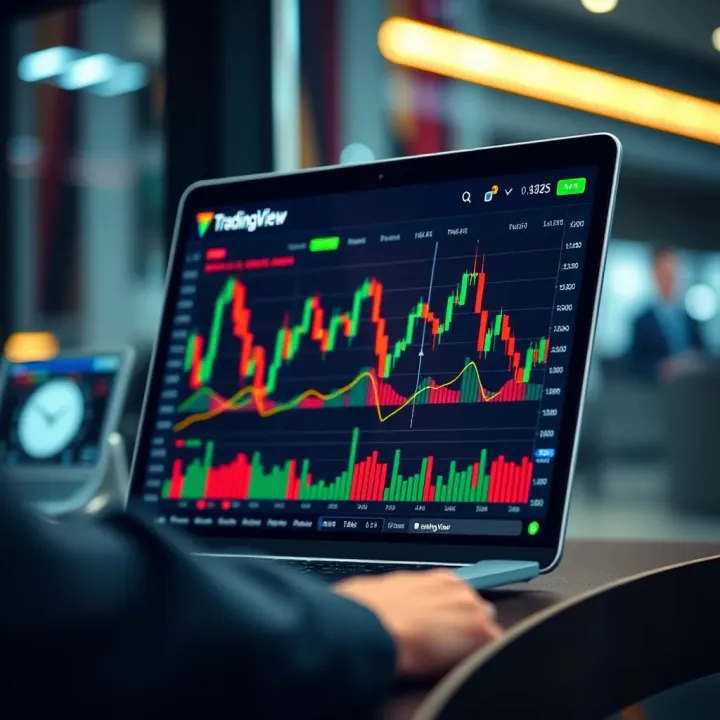
🇳🇬 Nigerian traders: Master TradingView with Deriv! Learn setup, features & strategies to boost market analysis and trading decisions effectively 📊💡
Based on 7 reviews