
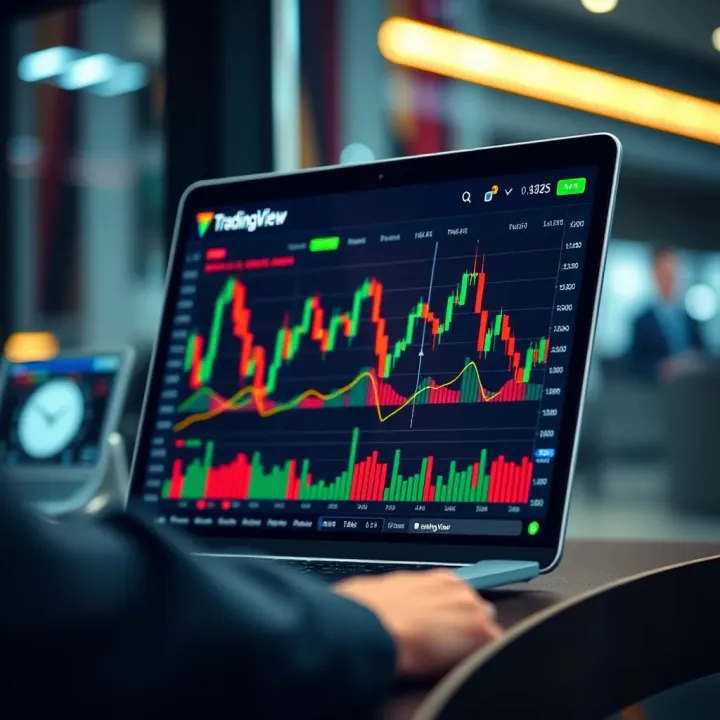
Using TradingView with Deriv: Guide for Nigerian Traders
🇳🇬 Nigerian traders: Master TradingView with Deriv! Learn setup, features & strategies to boost market analysis and trading decisions effectively 📊💡
Edited By
Matthew Price
Deriv and TradingView stand out as key tools for traders looking to sharpen their market moves. Deriv offers a user-friendly trading platform popular among Nigerian traders for its diverse options across forex, commodities, and digital indices. Meanwhile, TradingView provides powerful charting capabilities and technical analysis tools that help traders spot trends and patterns quickly.
Using Deriv and TradingView together lets you combine efficient trade execution with deep market insight. For instance, you can analyse price action on TradingView’s advanced charts, then place your trades seamlessly on Deriv based on your research. This approach enhances decision-making, reducing guesswork and helping to manage risk better.
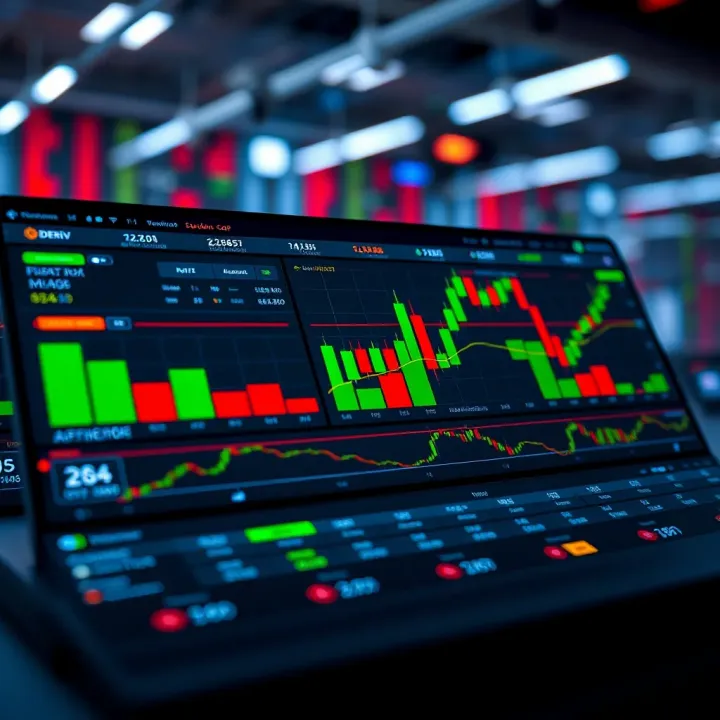
Nigerian traders gain an edge by integrating these platforms, especially in times of naira volatility and external shocks affecting market movements.
Here’s why combining these tools matters:
Comprehensive market analysis: TradingView’s live charts show real-time price data and indicators like RSI and MACD.
Flexible trading instruments: Deriv supports a wide range of assets including forex, synthetic indices, and cryptocurrencies.
User-focused design: Both platforms offer easy navigation suited for beginner and experienced traders alike.
As you prepare to use Deriv on TradingView, note that setting up your workspace correctly is crucial. Start by selecting your preferred markets on TradingView and adding technical indicators you trust. Next, sync your analysis with Deriv to execute trades promptly when conditions meet your strategy.
This guide will walk you through each step, focusing on practical setup and optimising your trading style. You’ll gain insights into smart risk controls and ways to interpret charts that many Nigerian traders often overlook. By the end, you’ll be ready to combine Deriv’s execution power with TradingView’s analytical strength for smarter trading outcomes.
Let’s break down the key points and get you started right away.
Grasping how Deriv fits into the online trading ecosystem helps you make smarter decisions when pairing it with tools like TradingView. Deriv is more than just a broker; it’s a platform that simplifies access to global financial markets. Understanding its features, the instruments it offers, and how it serves Nigerian traders provides the foundation for confident trading and optimised strategies.
Deriv is an online trading platform that provides access to various financial markets through a user-friendly interface. It operates as a bridge connecting traders to assets such as currencies, indices, and commodities. The platform supports both beginner and experienced traders by offering straightforward execution of trades and real-time pricing. For example, a Nigerian trader can quickly open a forex contract on Deriv using local currency, without the need for complicated conversions.
Deriv offers a range of instruments including forex, commodities like gold and oil, synthetic indices, and digital options. Each instrument serves different trading preferences; for instance, synthetic indices run 24/7 and mimic real-world market volatility, allowing you to trade even during local market downtimes. This variety means Nigerian traders have flexibility to diversify their portfolios and explore multiple markets within one platform.
Deriv’s interface is designed for easy navigation, with clear menus and tools adaptable for mobile or desktop use. Its strong focus on accessibility means that even those new to trading can place orders and monitor positions without stress. Features like demo accounts let you practise without risking real money, which is crucial for building confidence. Plus, the platform supports several payment methods convenient to Nigerian users, making deposits and withdrawals smoother.
Deriv accepts local payment options such as bank transfers, USSD payments, and popular digital wallets used in Nigeria. This eliminates common bottlenecks related to currency conversion or international fees, making it practical and cost-effective to fund your account. For example, paying directly in Nigerian Naira (₦) avoids unnecessary charges and delays.
While trading online, regulatory compliance ensures your investments receive protection under Nigerian financial laws. Deriv complies with the necessary requirements to operate legally and securely in Nigeria. This compliance builds trust and reassures traders about the safety of their funds and data, setting it apart from unregulated platforms that many first-time traders might unknowingly use.
Deriv offers responsive customer service tailored to Nigerian traders, with support channels including email and live chat. Beyond service, Deriv provides educational materials and webinars helping traders understand market dynamics, risk management, and platform navigation. For instance, a trader struggling with volatility strategies can access resources that clarify these concepts in easy-to-follow steps, making learning practical and ongoing.
Understanding these core aspects of Deriv empowers Nigerian traders to leverage the platform effectively alongside TradingView, optimising their trading experience while reducing avoidable risks.
TradingView.com has carved a reputation as a comprehensive platform for charting and market analysis, favoured by traders across Nigeria and beyond. Its significance in the context of integrating with Deriv lies mainly in its ability to provide real-time, interactive charts coupled with versatile analysis tools. This combination helps traders make informed decisions with precision and speed—qualities essential in fast-moving markets.
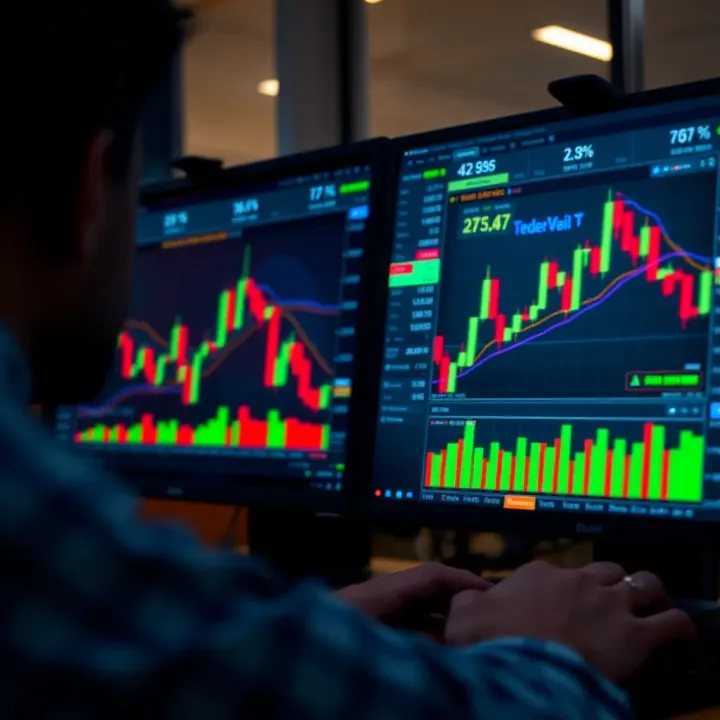
Real-time charting is at the heart of TradingView's appeal. It offers up-to-the-second price updates unlike many other platforms which often delay this data. For example, a forex trader using TradingView to track EUR/USD can see price movements live and react quickly to news or market shifts. Coupled with over a hundred technical indicators like moving averages, Bollinger Bands, and RSI, traders can apply multiple methods at once to gauge momentum, trend direction, or potential reversals.
One standout feature is TradingView's social community which lets traders share analyses, predictions, and trading ideas openly. This creates a crowd-sourced source of market insights where Nigerian traders can learn from others’ strategies and avoid common pitfalls. For instance, an experienced trader might publish an analysis highlighting a breakout pattern in the NGX market, which can help less experienced users spot opportunities faster.
TradingView lets traders tailor the interface to their needs, from chart styles and layouts to watchlists filtered by sector or asset type. Alerts can be set up for price levels, indicator signals, or pattern recognitions. Imagine a trader setting an alert to notify them as soon as Bitcoin hits a specific price, allowing them to enter or exit trades without staring at the screen all day. This customisation improves focus and efficiency, especially during busy sessions or ember months when market volatility spikes.
TradingView features an extensive suite of drawing tools such as trendlines, Fibonacci retracements, and channels that assist traders in visualising market movements. Nigerian traders, for example, can draw support and resistance levels on the price chart of the naira-dollar pair, identifying zones where price may bounce or break down. These visual markers are vital for timing entry and exit points effectively.
TradingView goes beyond pure price action by allowing users to overlay fundamental information like earnings reports, economic calendars, and news events alongside technical charts. This integration means you can see how market sentiment or macroeconomic factors affect asset prices, giving a fuller picture than technicals alone. For instance, a trader watching the price of Nigerian bank stocks on TradingView can link quarterly results announcements to sudden price jumps or drops.
TradingView supports multiple asset classes—forex, commodities, stocks, indices—making it versatile for Nigerian traders who often diversify. Whether trading oil futures affected by NNPC announcements or crypto pairs influenced by global regulations, the platform presents all these markets through consistent, familiar tools. This cross-market capability means you don’t need different platforms for different assets, streamlining your trading process.
TradingView’s powerful charting and community features make it a central tool for Nigerian traders using Deriv, offering actionable insights, speed, and flexibility not easily matched elsewhere.
By understanding these elements, traders can leverage TradingView to enhance their decision-making and seamlessly complement Deriv’s trading environment.
Connecting Deriv and TradingView offers Nigerian traders a powerful combination of advanced charting and efficient trading execution. This integration allows you to analyse markets in real time on TradingView’s intuitive platform, then place trades directly on Deriv without switching apps. The practical benefit is clear: fewer distractions, faster decision-making, and a smoother trading workflow.
To begin, ensure you have verified accounts on both Deriv and TradingView. Registering on Deriv involves submitting your identification details and funding your wallet with naira or preferred currency. TradingView registration is straightforward, requiring only an email address and confirmation. Having both accounts activated is essential because syncing account details later depends on verified profiles.
Once registered, syncing your Deriv and TradingView accounts is key. This process typically involves connecting your Deriv account to TradingView through secure login or API keys. It ensures your trading data—such as portfolio status, open positions, and order history—updates concurrently across platforms. Without proper synchronisation, live trading from TradingView to Deriv can face delays or errors, undermining your strategy.
Next, set up API access or widget tools provided by Deriv on TradingView. API connections enable automated communication, making it possible to place trades and receive execution reports instantly. Widgets offer a user-friendly portal embedded in TradingView where you can monitor and manage trades. Setting these requires generating API keys on Deriv, then inputting them securely in TradingView settings. This setup safeguards your trading while enhancing speed and control.
TradingView's interface integrates Deriv instruments like forex pairs, indices, and digital options directly on its charts. You can select Deriv as your broker within TradingView and load these options alongside live market data. This setup gives you a clear, real-time view of price movements with technical indicators customised to your style.
With the interface connected, placing trades becomes a matter of a few clicks. You can enter trade size, choose contract expiry times, or set binary option parameters straight from the chart screen. Managing orders—like adjusting stop losses or taking profits—happens in real time without switching tabs. This immediacy lets you respond swiftly to market shifts, especially important in volatile markets like forex or commodities.
TradingView allows you to tailor how the Deriv interface appears—arranging panels, saving preferred layouts, and setting alert notifications on price levels. For instance, you might have a workspace focusing on volatility indices with volume indicators and instant trade buttons ready. Customisation means your screen fits your trading habits, reducing clutter and helping you focus on what matters.
Integrating Deriv and TradingView creates a streamlined environment that boosts efficiency and accuracy in trading. Nigerian traders, dealing with rapid price changes and naira volatility, benefit from this seamless setup that keeps decision-making sharp and execution swift.
Trading strategies play a vital role in maximising the potential of Deriv on TradingView. By applying tested approaches directly within TradingView’s advanced charting tools, Nigerian traders can execute more informed decisions and improve outcomes. These strategies help translate real-time market data into actionable trades that align with individual risk appetite and market conditions.
Using moving averages and oscillators: Moving averages smooth out price data to reveal underlying trends. On TradingView, traders typically use simple moving averages (SMA) or exponential moving averages (EMA) to identify trend direction and potential entry points. For instance, a 50-day SMA crossing above a 200-day SMA often signals a bullish trend. Oscillators such as the Relative Strength Index (RSI) complement this by indicating overbought or oversold conditions, helping traders spot when a reversal or continuation might occur. Using these tools together allows for clearer timing of trades on Deriv’s platform.
Identifying breakout and reversal patterns: Breakout patterns emerge when price moves decisively beyond established support or resistance, signalling strong momentum. TradingView’s drawing tools let you mark key levels and spot breakouts early. On the other hand, reversal patterns like head and shoulders or double tops indicate trend shifts. Recognising these patterns is particularly useful on Deriv for binary or digital options where timing precise market turns can make the difference between profit and loss.
Incorporating volume analysis: Volume confirms the strength of price moves. Higher trading volume during breakouts usually means the move is genuine, not a false signal. TradingView’s volume indicators allow traders to track these surges and fades. For Deriv users, this insight helps validate trade signals and manage risks, especially when trading volatile assets where price alone might be misleading.
Options trading tactics: With Deriv, options trading involves speculating on price direction within specified time frames. Combining TradingView’s trend analysis with options strategies like buying calls/puts or using spreads can optimise returns. For example, entering a call option after a confirmed bullish crossover on moving averages can boost chances of profit while limiting exposure.
Binary options and digital contracts: These products offer fixed payout structures depending on a condition being met (e.g., price above a level). The challenge lies in accurate prediction within a short period. Using pattern analysis and oscillators on TradingView equips traders to decide entry points more precisely. For instance, placing digital contracts when RSI shows oversold while price forms a reversal candlestick pattern improves timing on Deriv’s platform.
Forex trading strategies: Currency pairs demand quick, adaptable methods given their volatility. Traders benefit from combining multiple indicators—like moving averages, volume, and breakout patterns—on TradingView to identify entry and exit points. On Deriv, this approach helps navigate forex trades with better timing, especially during market news or when ₦ fluctuations affect pair prices.
Effective trading strategies on Deriv powered by TradingView tools help Nigerian traders make confident decisions, manage risks, and increase chances of success in complex markets.
This section highlights practical methods and real examples that bring together charting insights and product specifics, ensuring you can trade smarter right away.
Trading on Deriv requires more than just spotting opportunities on charts; managing risks smartly and aiming for steady profits is essential. Nigerian traders face unique challenges such as naira volatility and market unpredictability, so understanding effective risk control methods helps protect your capital and improve trading outcomes. This section focusses on practical risk management techniques and Deriv’s features designed to support safer trading.
Setting stop-loss and take-profit levels is fundamental. A stop-loss order automatically closes a trade when losses reach a set limit, protecting you from bigger downturns. For example, if you bought an asset at ₦50,000 and set a stop-loss at ₦48,000, your trade exits if the price falls to ₦48,000, stopping further loss. Similarly, take-profit locks in gains by closing trades once a target is reached. This discipline prevents emotional decisions and locks in profits before market reversal.
Diversifying trades across assets reduces risk by spreading investment over different markets or instruments. Rather than putting all your capital in one forex pair or digital contract, you could allocate portions to oil, gold, and currency pairs. If one market dips, others might hold steady or rise, balancing overall returns. This approach suits the volatile financial environment in Nigeria, where external factors like fuel price shocks or policy shifts can affect asset prices differently.
Monitoring naira currency fluctuations is crucial because Deriv trades often involve foreign assets priced in dollars or euros. Since the naira can fluctuate sharply, changes in exchange rates impact your local trading capital and profits. Keeping an eye on naira strength against major currencies helps you decide when to enter or exit trades, especially if you plan to convert earnings back to naira. This can guard your gains from erosion caused by sudden naira depreciation.
Using demo accounts for practice is a practical way to test strategies without risking real money. Deriv offers free demo accounts that mirror live markets, allowing you to try different tactics and understand platform functions before committing funds. For Nigerian traders new to online forex or options, this is an invaluable learning ground to build confidence and spot mistakes early.
Accessing market news and updates within Deriv keeps you informed about major events affecting prices. Factors like central bank announcements, oil production updates, or geopolitical tensions directly influence asset volatility. Staying updated helps you avoid trading during unpredictable swings or position yourself ahead of expected moves.
Custom alerts and trade notifications let you monitor market conditions even when away from your screen. Setting alerts for price levels, volatility shifts, or news triggers can prompt timely action, so you don’t miss crucial moments to enter or exit trades. In a busy Nigerian lifestyle, these notifications help maintain discipline and responsiveness to fast-changing markets.
Effective risk management on Deriv combines disciplined trade planning with the use of platform tools. Nigerian traders who balance these stand a better chance of protecting their capital while pursuing profit opportunities.
🇳🇬 Nigerian traders: Master TradingView with Deriv! Learn setup, features & strategies to boost market analysis and trading decisions effectively 📊💡

Master TradingView as a Nigerian trader 📈: learn account setup, chart tweaks, technical tools, broker links & savvy tips for profit in ₦ and local markets.
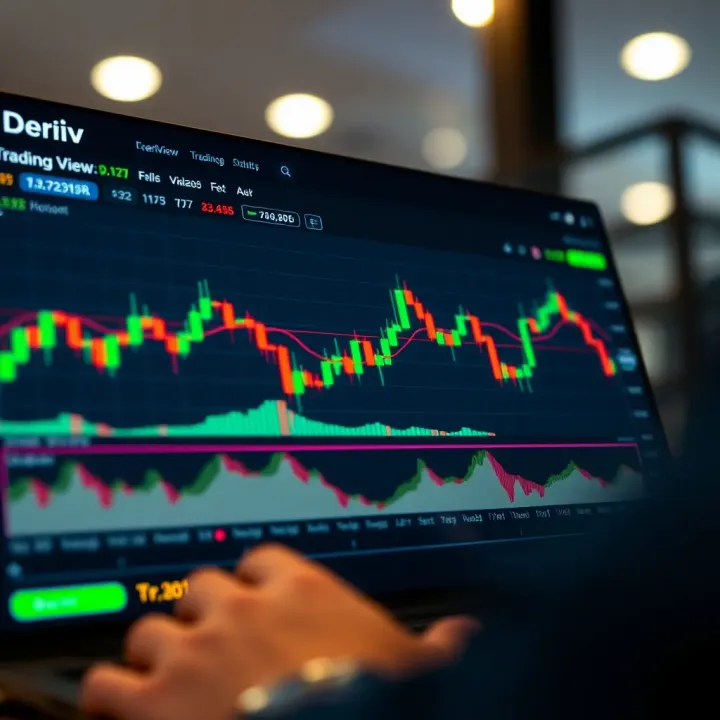
Explore TradingView on Deriv 📈: Learn how to use charting tools, enhance your strategies, and trade smarter in Nigeria and similar markets.

Explore how Nigerian traders can set up and optimize TradingView 📊 with broker integration, custom scripts, and smart strategies for better trading results.
Based on 14 reviews