
Understanding Bot Trading in Nigerian Markets
Discover how automated bot trading affects Nigerian markets 📈, its risks, benefits, and local strategies to help you trade smartly and safely with tech tools.
Edited By
Isabella Clarke
Trading bots are computer programmes designed to make trading faster and more efficient by executing buy and sell orders automatically based on specific algorithms or pre-set rules. In Nigeria’s thriving investment landscape, these bots are gaining traction, especially among crypto traders and stock market investors who want to capitalise quickly without the delay of manual transactions.
Unlike human traders who can take time deciding when to enter or exit a trade, trading bots work 24/7 without fatigue or emotional bias. For example, a trader using a bot on the Nigerian Exchange Group (NGX) might set it to buy shares when prices hit a certain low and sell when they rise by a targeted percentage. This helps capture smaller price moves, often missed by manual trading.
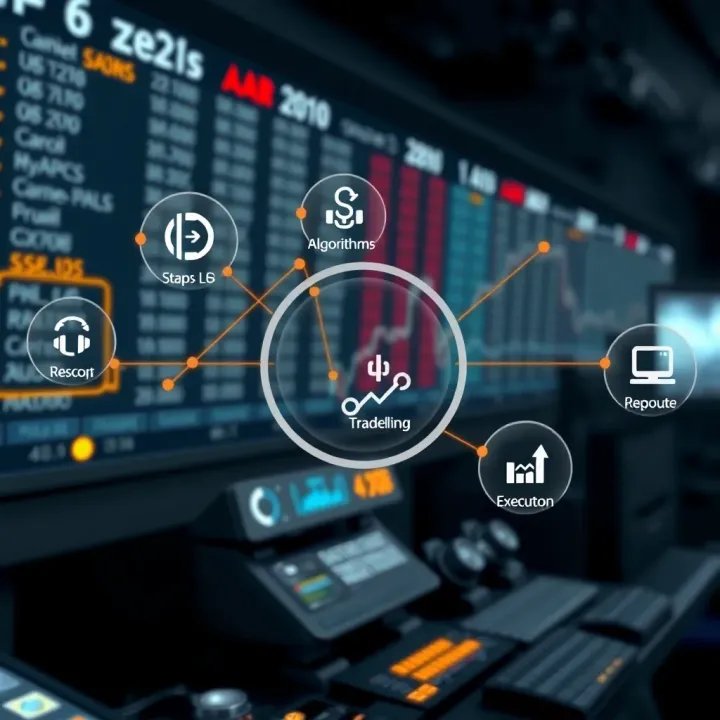
Trading bots automate repetitive tasks, helping traders seize opportunities swiftly and consistently, especially in volatile markets like cryptocurrency.
Most bots use technical indicators such as moving averages, Relative Strength Index (RSI), or Bollinger Bands to inform their decisions. They scan live market data and execute trades instantly once conditions meet the pre-defined criteria. This could mean a bot automatically reacting to sudden market swings in Bitcoin trading on platforms like Binance or Luno without waiting for the trader’s input.
Bots can be simple rule-based systems or complex, employing machine learning to adjust strategies over time. For Nigerian investors dealing with naira volatility and forex fluctuations, bots can help manage risks by sticking strictly to rules, avoiding emotional decisions influenced by market panic.
Faster execution speeds that human traders can’t match
Ability to trade round-the-clock in marketplaces like crypto
Elimination of emotional biases such as fear or greed
But beware: bots carry risks like malfunctions, over-optimisation (fitting to past data only), and potential regulatory issues in Nigeria without proper licences.
Trend-following bots: Buy when prices rise, sell when they fall
Arbitrage bots: Exploit price differences across exchanges
Market-making bots: Provide liquidity by placing buy and sell orders
Understanding these bots is critical before deploying funds, especially considering the cost of data and fluctuating internet quality in Nigeria.
In summary, trading bots offer promising tools for modern Nigerian investors to gain an edge in fast-moving markets. However, thorough knowledge, proper risk management, and careful selection of tools are necessary to make these bots serve your trading objectives effectively.
Automated trading has become a significant force in modern financial markets, with trading bots leading the way. These software programmes execute trades based on predefined algorithms, allowing investors to respond swiftly to market changes without constant manual intervention. Understanding what trading bots are and how they operate is essential for traders and analysts looking to navigate today's fast-paced markets effectively.
Trading bots are computer programmes designed to automate the buying and selling of assets like stocks, cryptocurrencies, or forex. Their main purpose is to follow specific trading rules to place orders faster and more consistently than a human can. For example, a cryptocurrency investor might use a bot to automatically buy bitcoin when its price dips below a certain level, avoiding missed opportunities during volatile market swings. Essentially, bots aim to increase trading efficiency, reduce emotional bias, and implement complex strategies seamlessly around the clock.
At its core, automated trading relies on algorithms that monitor real-time market data and execute orders through API (Application Programming Interface) connections with exchanges or brokers. These bots analyse price movements, volumes, and technical indicators to decide when to enter or exit trades. For example, a bot might be programmed to sell shares if the 20-day moving average crosses below the 50-day moving average. Because these bots operate 24/7 and process data instantly, they can respond to market signals faster than any human trader, a crucial advantage in highly volatile markets like cryptocurrency or intraday equities.
Trading bots commonly use strategies such as trend-following, arbitrage, and scalping. Trend-following bots identify and ride market momentum, buying when prices rise and selling when they fall. Arbitrage bots, on the other hand, exploit price differences across multiple platforms, buying an asset cheaply on one exchange and selling it at a higher price elsewhere. Scalping bots take advantage of tiny price fluctuations, frequently making many small trades to accumulate profits over time. For instance, in the Nigerian forex market, a scalping bot might quickly capitalise on intra-day naira-dollar rate changes before a trader could manually react.
Understanding trading bots’ functionality helps traders appreciate their potential and limitations, which is vital for optimising investment outcomes in Nigeria’s dynamic markets.
In sum, grasping what trading bots do and how they execute trades lays the foundation for making smart decisions when adopting automation tools. Their ability to work non-stop and apply tested strategies can be a game-changer for traders who can’t monitor markets every minute. However, mastering their mechanics ensures users leverage bots effectively and avoid pitfalls common in automated trading.
Trading bots come in various types, each designed to suit different market strategies and trader needs. Understanding these categories is essential for anyone looking to tap into automated trading, especially in markets as dynamic as Nigeria's. Choosing the right bot depends on your trading goals, risk appetite, and market conditions.
Trend-following bots track the direction of market prices, aiming to buy when prices rise and sell as they fall. These bots use technical indicators like moving averages or the Relative Strength Index (RSI) to identify momentum. For example, a bot might buy shares of a stock listed on the Nigerian Stock Exchange (NGX) when the 50-day moving average crosses above the 200-day average, signalling upward momentum. This strategy helps investors ride profitable waves without constantly monitoring the market, making it practical for part-time traders.
Arbitrage bots exploit price differences for the same asset across different markets or exchanges. In Nigeria, this could mean buying a cryptocurrency on one platform at a lower rate and selling it on another where the price is higher. Market-making bots, on the other hand, place simultaneous buy and sell orders to profit from the spread and help provide liquidity. Both bot types require high-speed execution to seize brief opportunities before prices adjust. For Nigerian traders, this demands reliable internet and access to multiple trading platforms, which can be challenging but profitable when managed well.
Scalping bots focus on small price movements within very short time frames, often seconds or minutes, to make multiple rapid trades. They look for tiny profits across dozens or even hundreds of trades daily. A scalper bot in the Nigerian forex market might enter and exit positions frequently to capitalise on minor fluctuations caused by news or economic updates. This strategy demands strict discipline and well-tuned algorithms to prevent losses from spread costs or slippage.
Using the right type of trading bot aligns your strategy with the market environment and your available resources. For Nigerian traders, factors like internet stability and platform access play a heavy part in bot performance.
Each bot type suits different trading styles, so understanding how they work in practice can help you make informed decisions and reduce unnecessary risks.
Trading bots have reshaped how traders operate in the financial markets, offering clear benefits and some notable drawbacks. Understanding these pros and cons is essential to help you decide if automated trading fits your style or investment goals, especially in Nigeria's evolving financial landscape.
One big advantage of trading bots is their ability to act with lightning speed. Unlike humans who might miss moments due to distraction or hesitation, bots can execute trades instantly once conditions are met. For instance, a bot monitoring forex pairs like USD/NGN can catch fleeting arbitrage opportunities across platforms faster than any trader could. This speed can translate to better prices and more consistent profits over time.
Moreover, bots trade without emotions clouding their decisions. Human traders often struggle with fear and greed, which can lead to poor timing – buying high out of excitement or selling low in panic. Bots stick strictly to pre-set rules, preventing impulsive mistakes. Imagine a bot programmed to exit a losing trade after a 2% dip; it won't hesitate or second-guess, helping preserve capital during volatile market swings common in Nigeria, especially during ember months when market jitters increase.
That said, trading bots are not foolproof. They rely heavily on the algorithms and parameters you set. If these rules are too rigid or based on outdated data, the bot may make bad trades repeatedly. For example, a bot following trend patterns might fail during sudden market reversals or black swan events like unexpected government policy shifts impacting the Nigerian Stock Exchange (NGX).
Also, bots need stable internet and uninterrupted power – a challenge in many Nigerian regions. Power outages or poor connectivity can lead to missed signals or delayed trades, affecting performance.
Security is another concern. Poorly designed bots or those sourced from unreliable providers might expose traders to hacking or stealing of funds. Therefore, picking trustworthy platforms and regularly monitoring bot activities is essential.
Trading bots offer remarkable advantages like quick execution and emotion-free trading, but using them without awareness of their limitations can lead to costly mistakes.
In summary, trading bots can enhance your market game if you balance their strengths with careful oversight and adapt strategies to local realities like power and market volatility. This approach helps reduce risks while taking advantage of automation’s speed and discipline.
Trading bots have become increasingly relevant in Nigeria's growing financial markets, where technology and fintech innovation are reshaping investment approaches. Many Nigerian traders and investors now rely on automated tools to navigate volatile markets, especially with challenges like naira instability, fluctuating oil prices, and frequent power outages that affect traditional trading methods. Using bots can help maintain consistent market participation even when manual trading is tough due to infrastructural constraints.
Nigerian traders have access to several popular platforms supporting trading bots, ranging from global names like Binance and Coinbase to locally preferred fintech services such as Luno Nigeria and Remitano for cryptocurrency trading. These platforms often integrate APIs that allow straightforward bot deployment for users with basic coding knowledge or who subscribe to bot providers.
Besides crypto, Nigerian stock market enthusiasts can connect bots to brokers offering electronic trading interfaces on the Nigerian Exchange (NGX), although bot use here is less common and more regulated. Moreover, fintech startups like Cowrywise and Piggyvest have begun experimenting with automated investment plans, which, while not full trading bots, offer simplified automation tools relevant to new investors.
Local factors in Nigeria significantly influence bot efficiency. For instance, internet reliability and speed can cause delays in order execution, which for bots relying on milliseconds to trigger trades, may lead to missed opportunities. The volatility of the naira and inconsistent access to foreign exchange also impact bot algorithms that price trades in USD or other foreign currencies.
Power outages compel many traders to rely on battery backups or generators. This practical challenge can disrupt real-time monitoring and adjustments required for bots, especially those needing frequent parameter tuning based on market news or government policy shifts that are common in Nigeria.
Bots designed for foreign markets may face setbacks in Nigeria due to differences in market structure, liquidity, and regulation. Localised bot strategies considering these unique characteristics tend to perform better.
Regulation of automated trading in Nigeria remains nascent, especially regarding crypto markets. While the Securities and Exchange Commission (SEC) regulates capital markets, clear guidelines on trading bots are yet to be firmly established. This uncertainty exposes traders to risks such as bot scams, fake software, and unsupported investment schemes.
Security is paramount since bots require access to sensitive account information and API keys. Nigerian traders must only use bots from reputable providers with transparent security policies and avoid sharing personal keys recklessly. Platforms that offer two-factor authentication and secure API key permissions help reduce hacking risks.
Nigerian traders should exercise caution by researching bot vendors, starting with small capital investments, and staying updated on local market regulations affecting automated trading.
In summary, trading bots in Nigeria offer promising ways to automate trades but come with practical hurdles and security considerations. Understanding local market realities and regulatory frameworks is essential for anyone looking to adopt bots effectively in Nigerian markets.
Choosing and using trading bots responsibly matters a lot for anyone serious about investment in modern markets. A bot can boost trading efficiency, but picking the wrong one or mismanaging it can lead to serious losses. In Nigeria's market, marked by volatility and regulatory quirks, responsible use helps protect your capital and enhances your chances of success.
Start with the bot's track record. Look for bots with verifiable performance audited by independent parties or communities. Avoid bots that promise sky-high returns without evidence. Also, check if the bot supports integration with popular Nigerian trading platforms or brokers that you use, such as FXTM or local crypto exchanges like Bundle.
Security should top your checklist. A bot must handle your API keys securely and follow encryption standards, as poor security exposes your account to hacks. Transparency in how the bot works is equally crucial. Open-source bots or those that clearly explain their strategy offer more confidence than closed, black-box systems.
Another key factor is customisation. Reliable bots let you adjust trading parameters like stop-loss or take-profit limits so you can align them with your risk tolerance and market view. Lastly, consider user reviews and active community support; this often signals a bot maintained and improved over time.
Even the best bots need careful setup and supervision. Begin by testing your bot with demo accounts or small capital before deploying fully. This approach helps you understand its behaviour in live market conditions without risking too much.
Regular monitoring is necessary. Markets change quickly, and a bot's performance can degrade if left unchecked. Set your bot to send alerts or notifications so you stay informed of its trades and can intervene promptly if something unusual happens.
Keep updating your bot software to incorporate bug fixes and adapt to market changes. Responsible traders also diversify — don't put all funds in one bot or strategy; spreading risk across different bots or markets often cushions losses.
Trading bots have attracted scammers offering unrealistic promises. Beware of bots requiring huge upfront fees without trial options or those pressuring you to recruit others. Avoid bots that lack clear ownership or contact details.
Check regulatory compliance too. While Nigeria's rules around bots are still evolving, sticking to platforms registered with agencies like the Securities and Exchange Commission (SEC) Nigeria helps reduce risk.
Finally, resist the temptation to switch bots frequently based on short-term losses. Trading bots need time to perform. Patience combined with constant vigilance usually brings better results than chasing quick profits or falling for hype.
Responsible selection and use of trading bots protect your investment, enhance your trading edge, and help you avoid the many traps lurking in modern digital markets.
With these guidelines, Nigerian traders can harness trading bots more safely, steering clear of avoidable losses and scams, while making smarter, informed decisions in their trading journey.
Discover how automated bot trading affects Nigerian markets 📈, its risks, benefits, and local strategies to help you trade smartly and safely with tech tools.
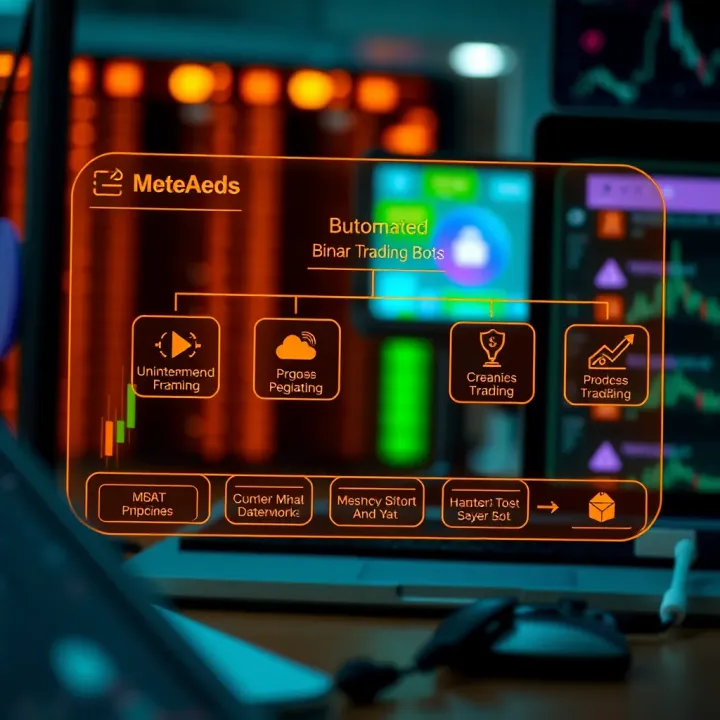
🤖 Discover how binary bots work in trading, their benefits, risks, tech details, and key tips to trade smarter in Nigeria's binary options market.
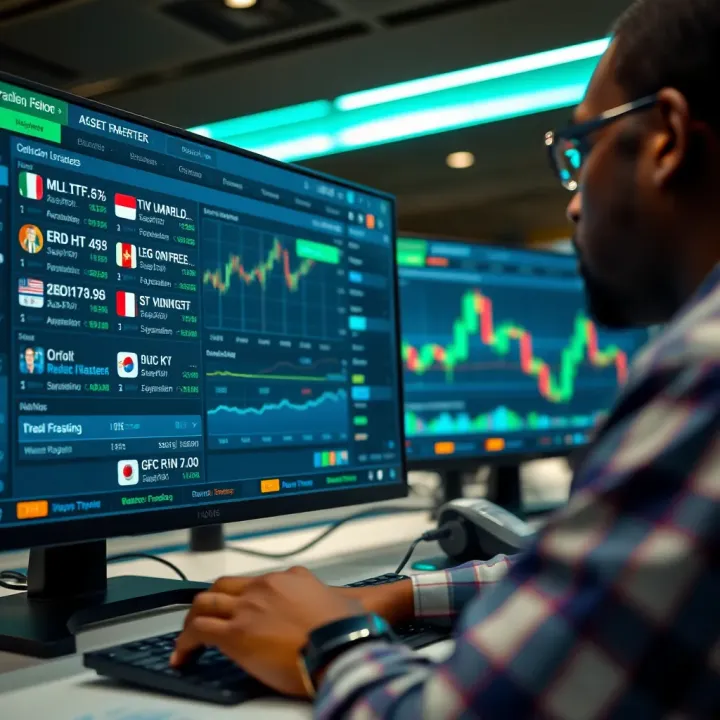
Discover how Nigerian traders can tap online platforms to trade assets safely 💻. Learn key tools, risks, and strategies for success in Nigeria’s unique market 🌍.
Discover practical steps for crypto trading in Nigeria 🇳🇬, key strategies, risks, and legal tips to trade safely on platforms like Binance, Luno, and more 💰📈
Based on 15 reviews