
Guide to Online Forex Trading in Nigeria
📈 Learn practical steps for online forex trading in Nigeria, navigate naira volatility, pick the right brokers, and use fintech platforms to trade confidently. 💹
Edited By
James Thornton
Online trading presents a practical avenue for Nigerians to participate directly in financial markets without stepping outside. Whether it’s buying shares on the Nigerian Stock Exchange (NGX) or trading forex on platforms like MetaTrader, the process leverages internet connectivity and digital tools to give access anytime, anywhere.
Getting started means understanding what you can trade, how the platforms operate, and the specific challenges Nigerian traders face. For instance, due to naira volatility and intermittent power supply, traders often prepare backup internet and power solutions to avoid missing critical market moves.
Popular platforms for Nigerians include the NGX Web Trader for local equities and apps like MTN Money and OPay for simplified access to forex trading and commodities. These platforms provide user-friendly interfaces and secure payment methods, crucial in Nigeria’s sometimes unpredictable digital environment.
Besides platforms, traders need to be mindful of risks such as cyber fraud and market scams, which have surfaced severally. Using verified brokerage firms registered with relevant regulatory bodies like the Securities and Exchange Commission (SEC) helps safeguard your investments.
Always prioritise thorough research and start with small investments before scaling your trading activities, especially in volatile markets like Nigeria’s.
Key steps to begin include:
Opening trading accounts with licensed brokers
Completing know-your-customer (KYC) procedures using valid identifications like NIN or BVN
Funding your account through trusted payment channels
Practising with demo accounts to gain confidence without risking capital
Understanding market hours, available trading instruments, and fees charged is also vital. For example, while NGX operates weekdays from 9:30 am to 2:30 pm WAT, forex markets run 24/5, which demands different trading tactics.
This practical introduction sets the stage for deeper exploration of tools, strategies, and risks Nigerian online traders face daily. With this foundational knowledge, you can confidently navigate online trading, making informed decisions tailored to Nigeria’s unique financial market environment.
Understanding online trading is essential because it offers Nigerians a way to participate in financial markets without needing a physical presence. It simplifies buying and selling assets, making trading accessible to anyone with a smartphone and internet connection. This unlocks opportunities far beyond traditional trading floors, especially for those outside major cities.
At its core, online trading involves buying and selling financial assets like stocks, currencies, and commodities using internet-based platforms. Instead of visiting a stockbroker’s office, traders can execute transactions from their phones or computers at any time. This flexibility suits Nigeria’s young, tech-savvy population who seek side incomes alongside their main jobs.
Common online trading platforms allow users to place orders, monitor market movements, and manage portfolios remotely. All you need is an internet connection and some initial capital to start.
Common types of assets traded online include:
Stocks and shares: Buying parts of companies listed on exchanges such as the Nigerian Exchange (NGX).
Forex (foreign exchange): Trading Nigerian Naira against major currencies like the US dollar or Euro through platforms like MetaTrader.
Cryptocurrencies: Buying and selling digital currencies like Bitcoin or Ethereum via exchanges like Binance or local platforms.
Commodities and indices: Trading oil, gold, or market indices representing multiple stocks.
These options let traders diversify their investments and adapt to changing market conditions.
Smartphone penetration and improved internet coverage make online trading accessible across Nigeria. Even in smaller towns, affordable data plans and devices mean people can enter financial markets without costly infrastructure. For example, someone in Ibadan can easily trade stocks listed in Lagos or global forex markets during lunch breaks or off-hours.
Economic pressures have also pushed many Nigerians to find alternative income streams. With fluctuating naira values and inflation, relying on a salaried job alone no longer suffices. Online trading offers a practical way to supplement income, though it demands vigilance and education to avoid pitfalls.
Many traders use online platforms as a second source of income, combining it with their day jobs or businesses.
Exposure to both global and local markets is another draw. Nigerian traders gain insights into worldwide economic trends while engaging with their home markets. For instance, price changes in crude oil impact NGX-listed stocks but can also influence forex trading. This dual exposure helps traders make informed decisions and spot opportunities others might miss.
In summary, online trading's appeal in Nigeria stems from its accessibility, the need for new income avenues, and a chance to tap into multiple markets simultaneously. These factors combine to make online trading a valuable skill for many Nigerians today.
Getting set up properly is the first concrete step towards successful online trading in Nigeria. Whether you want to trade stocks, forex, or cryptocurrencies, having the right platform, account, and funding method is essential to avoid delays, security issues, or unexpected charges that can eat into your profits.
Picking the right trading platform can make all the difference. Popular options like MTN Mobile Money and Flutterwave offer convenient access with mobile-friendly interfaces, but they cater differently depending on your trading goals. For example, local brokerages such as CardinalStone or Meristem give access to Nigerian stock markets and customer service tailored to Nigerian traders. This local presence can be especially helpful when navigating market updates and regulatory changes.
When evaluating platforms, focus on their reliability—you don’t want frequent downtime or slow trade execution. Check out the fees carefully; some platforms charge fixed commissions, others a percentage of trade value. Also, test their customer support, preferably through calls or chats, to be sure they respond quickly and clearly. Picking a platform with robust customer care saves you stress during high-volatility times.
Opening a trading account in Nigeria requires proper documentation. Your National Identification Number (NIN) and Bank Verification Number (BVN) are crucial. They confirm your identity and link your bank accounts for funding and withdrawals. This helps platforms comply with anti-money laundering rules and protects you from fraud.
The account setup process usually involves filling out an application form online, uploading valid ID, and sometimes a recent utility bill for proof of address. After submission, verification or Know Your Customer (KYC) checks will confirm your credentials. Finishing this process swiftly means you can start trading without unnecessary delays, which is vital when market opportunities come up suddenly.
To trade online, you must fund your account securely. Nigerians have several options like bank transfers, USSD codes, and popular fintech wallets such as OPay or Kuda. Bank transfers are generally safe but may take longer, while USSD is faster for small amounts, handy for traders reacting to daily price swings.
Since most online trading platforms operate in dollars or other foreign currencies, managing currency and exchange rate fluctuations is important. Naira volatility can impact your buying power. Some traders hedge by keeping forex wallets or converting funds when the naira is relatively stable. Being aware of Central Bank of Nigeria (CBN) policies on forex can also help you decide the best time to fund your account.
A well-prepared setup ensures you don’t miss trading chances and keeps your investments secure. Take time to choose the right platform, have your documents in order, and understand your funding options before stepping into the market.
Online trading is more than just buying and selling; it demands a well-thought approach paired with handy tools. Mastering strategies and using the right technology helps Nigerian traders maximise profits while cutting losses. This section unpacks key ways to navigate market complexities and highlights tools that make a real difference.
Technical analysis involves studying price charts to spot trends and repeating patterns. For example, Nigerian traders often look for ‘head and shoulders’ or ‘double top’ shapes to predict when a stock might reverse direction. This method relies mainly on historical prices and trading volumes. By identifying support and resistance levels, traders decide entry and exit points that align with market momentum.
These visual tools give traders a snapshot of market sentiment, which can be vital in Nigeria where economic news sometimes causes swift price swings. For instance, a sudden change in oil prices or a policy announcement by the Central Bank of Nigeria (CBN) might reflect immediately in trading charts.
Fundamental analysis looks beyond charts to examine real factors such as company earnings, economic reports, or sector outlooks. Nigerian traders might review oil production figures, inflation rates, or a bank’s quarterly profits before investing.
This approach helps gauge the long-term value of an asset. For instance, if a telecommunications company posts consistent revenue growth despite power supply challenges, it signals resilience that technical data alone may not capture. Combining fundamental information with technical patterns provides a fuller picture for informed decisions.
A stop loss automatically sells an asset when its price falls to a certain level. This protects your capital from deep losses, especially important in Nigeria’s volatile market. For instance, if you buy shares at ₦200, setting a stop loss at ₦180 limits losses if the price drops.
Similarly, take-profit points lock in gains by selling when the price hits a target. Nigerian traders often use these tools to guard against sudden market reversals during ember months or election periods, which tend to bring unpredictability.
Spreading investments across different assets reduces the risk of heavy losses. Instead of placing all funds on one stock, a trader might buy government bonds, a few blue-chip shares, and invest in forex or commodities like cocoa.
In Nigeria's context, diversification also means balancing local assets with exposure to international markets, which can cushion against naira depreciation or sector-specific shocks. This way, poor performance in one asset doesn’t wipe out your entire investment.
Good charting tools are essential. Platforms like MTN Mobile Money and apps from local brokerages offer features tailored for Nigerian users, including real-time prices and affordable data usage.
Apps like TradingView or MetaTrader, widely used by Nigerian forex traders, come with sophisticated charting options and pattern recognition. These allow even beginners to interpret market movements clearly and plan trades with better precision.
In fast-moving markets, getting alerts on price changes, news, or indicator shifts is crucial. Nigerian traders can set notifications via apps to know when a stock reaches a stop loss or take profit level or if unusual volume spikes occur.
Such timely updates help manage trades even during power outages or when busy with daily activities. A trader might receive a push notification to act before a market shifts abruptly because of a CBN announcement or global event affecting oil prices.
Armed with solid strategies and the right tools, you can turn the complexities of online trading in Nigeria into opportunities. Be strategic, stay informed, and use technology to stay ahead.
Online trading presents clear opportunities, but Nigerian traders often face unique obstacles that can affect their success. Understanding these challenges and how to navigate them is essential before diving into the market. Issues like unstable network, inconsistent power supply, fraud risks, and naira volatility can disrupt trading activities, causing potential losses or missed chances. Preparing for these hurdles helps traders maintain steady participation and protect their investments.
Poor network connection and irregular power supply are realities many Nigerian traders encounter daily. Sudden drop in internet connectivity can delay trade execution, making you miss out on price windows or, worse, causing your transaction to fail at a critical time. This lag directly impacts profits and can lead to frustration, especially when the market is moving fast.
Power outages further compound the problem. Without a reliable electricity source, keeping devices charged or accessing live market data on time becomes tricky. Many traders find themselves scrambling to switch between generators or power banks just to stay connected during peak trading hours.
To prepare, have backup plans ready. Invest in a dependable power bank and ensure your generator or inverter is in good shape. Keep offline tools handy for analysis—such as downloaded charts or economic calendars—so you can plan trades even without constant online access. Setting price alerts on your phone to notify you during market swings when internet resumes is another smart move.
The increasing popularity of online trading in Nigeria means scammers are also on the lookout. You need to be vigilant about suspicious platforms promising unrealistic returns or using pressure tactics to get you to deposit funds quickly. Often, these platforms lack proper regulation or the necessary Securities and Exchange Commission (SEC) licence, so they don't offer real investor protection.
Check for complaints or warnings about any broker or trading app in the Nigerian trading community or on official SEC statements. Confirming that the platform has clear terms, a physical office, and customer support can provide extra confidence.
If you suspect fraudulent activities, report immediately to authorities like the SEC or the Economic and Financial Crimes Commission (EFCC). Joining trader groups or forums can help you stay updated and share experiences, reducing your chances of falling victim to scams.
The naira’s instability impacts online trading, especially for foreign exchange (forex) and international stock trading. Sudden naira depreciation raises the cost of buying foreign assets or withdrawing profits, cutting into your gains.
Given this, you need to be strategic. Use local currency hedging options where available or trade instruments that are less sensitive to currency fluctuations. Some fintech platforms offer wallets that hold multiple currencies, allowing you to switch smoothly without painful exchange steps.
Keeping track of Central Bank of Nigeria (CBN) policies and market trends also helps you anticipate exchange rate moves. Timing your trades around forex market windows or using stop-loss orders can reduce exposure to sudden naira drops.
Successful trading in Nigeria isn’t just about market knowledge but also about managing the environment’s realities — from power and network issues to fraud and currency volatility. Being prepared turns challenges into manageable steps.
Navigating the world of online trading in Nigeria requires awareness about the legal framework and regulations governing the market. These rules ensure that trading activities remain transparent, fair, and secure, protecting both traders and the integrity of the financial system. Without knowledge of these legal considerations, traders risk falling into scams or unknowingly breaking the law.
The Securities and Exchange Commission (SEC) acts as the watchdog for Nigeria’s capital market, including online trading platforms. It licences and oversees registered brokerages and trading sites to confirm they meet set standards for operation. This oversight matters because unlicensed platforms often lack safeguards and may expose traders to fraud or technical failures. When a platform is SEC-regulated, you can be reasonably sure that your funds are handled properly and disputes have a legitimate channel for resolution.
Investor protection is a core part of SEC's mandate. The commission enforces rules that demand transparency from trading platforms, requiring them to disclose risks and operate with clear terms. For example, SEC requires platforms to keep client funds separate from their operational accounts, thereby reducing the chance of misuse. Through regular market surveillance, SEC also detects unusual trading activities that may indicate manipulation, ensuring that traders get fair treatment.
Traders in Nigeria must understand their tax obligations to the Federal Inland Revenue Service (FIRS). Profits earned from online trading—whether from stocks, forex, or cryptocurrencies—are considered taxable income. Traders should register with FIRS and report earnings accordingly to avoid penalties. Ignoring these duties can lead to fines, and in some cases, legal challenges.
Keeping detailed records of all your trading transactions is crucial for tax compliance. These records include dates, amounts invested, profits or losses, and platform details. Maintaining proper documentation not only simplifies yearly tax filing but also serves as evidence if questions arise. Software or manual logs that capture transaction details can prevent unnecessary troubles during tax audits.
When disputes arise—like unauthorised charges or platform shutdowns—knowing how to escalate issues protects you as a trader. Initially, complaints should be made directly to the platform’s customer service. If unresolved, you may escalate to SEC, which offers formal complaint channels. Traders finding themselves stuck can utilise these official routes to seek redress without immediately resorting to courts.
Apart from formal legal options, Nigeria supports alternative dispute resolution (ADR) methods such as mediation and arbitration. These frameworks provide quicker, less expensive ways to settle conflicts outside the court system. For instance, if you have a disagreement with a brokerage over contract terms, ADR can resolve the matter amicably while preserving business relationships.
Staying informed about regulations and legal safeguards not only minimises risks but also empowers you to trade confidently within Nigeria’s financial ecosystem.
Understanding these aspects forms a strong foundation for safe and successful online trading in Nigeria.
📈 Learn practical steps for online forex trading in Nigeria, navigate naira volatility, pick the right brokers, and use fintech platforms to trade confidently. 💹
Discover practical steps for crypto trading in Nigeria 🇳🇬, key strategies, risks, and legal tips to trade safely on platforms like Binance, Luno, and more 💰📈
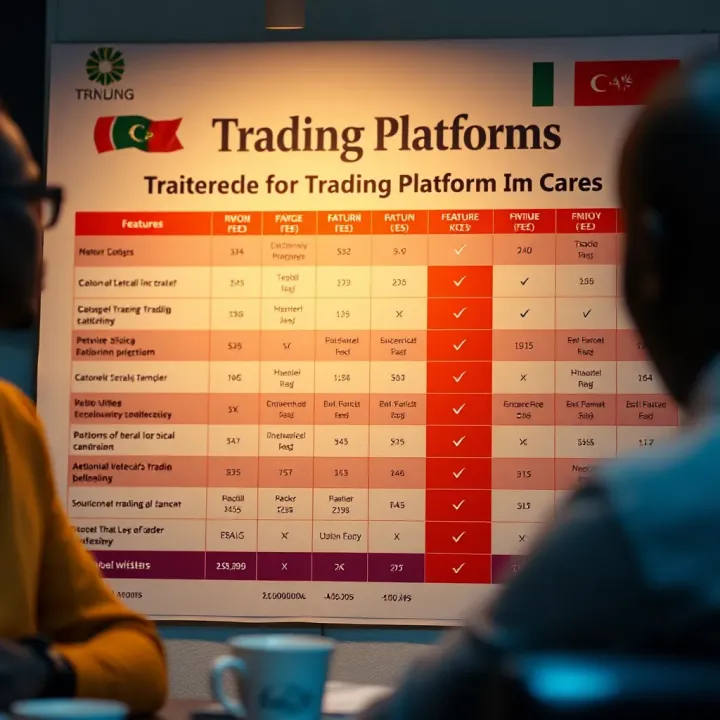
Find the perfect trading platform in Nigeria 🇳🇬. Compare fees, security, and support to trade confidently, whether you're a beginner or pro 📊💼.
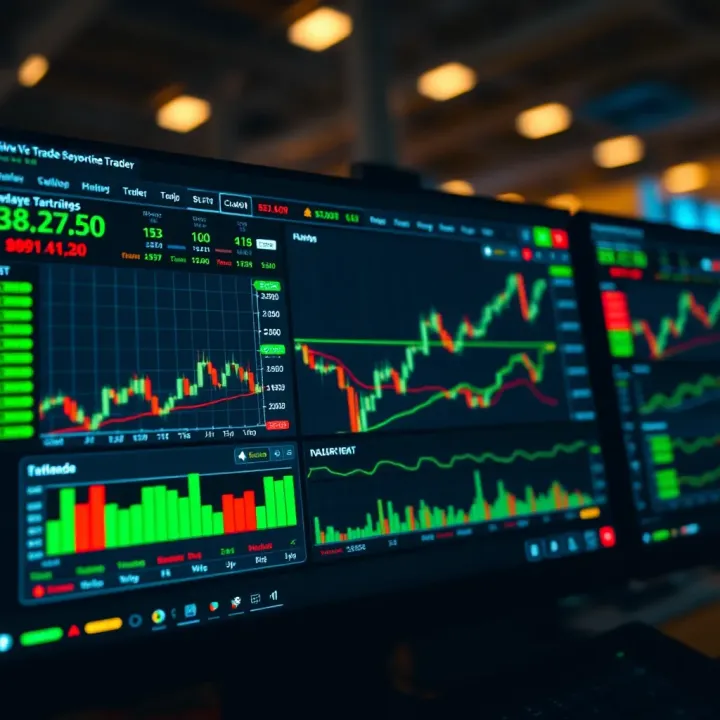
Find the best online trading platform in Nigeria 🇳🇬! Explore top choices, fees, security, assets & customer support for smarter investing 📈💼
Based on 12 reviews