

Best Online Trading Apps in Nigeria: What to Look For
Discover how to pick the best online trading app in Nigeria 📱. Learn about security, trading tools, user experience, and regulations to trade with confidence.
Edited By
Isabella Wright
Online trading apps have reshaped how Nigerians engage with financial markets, putting the power to buy and sell stocks, forex, and cryptocurrencies right in the palm of your hand. These platforms have lowered barriers that once made investing feel like a game only for city elites or financial experts. Today, anyone with a smartphone and an internet connection can dive into trading, but success depends heavily on choosing the right app and knowing how to use it effectively.
For Nigerian investors, considerations go beyond just flashy interfaces or popular adverts. Factors like security, seamless fund transfers within Nigerian banks, and real-time access to local market data often determine the quality of the trading experience. Many apps now integrate with Nigerian banking services, making deposits and withdrawals quick and affordable—an edge that foreign platforms usually lack.
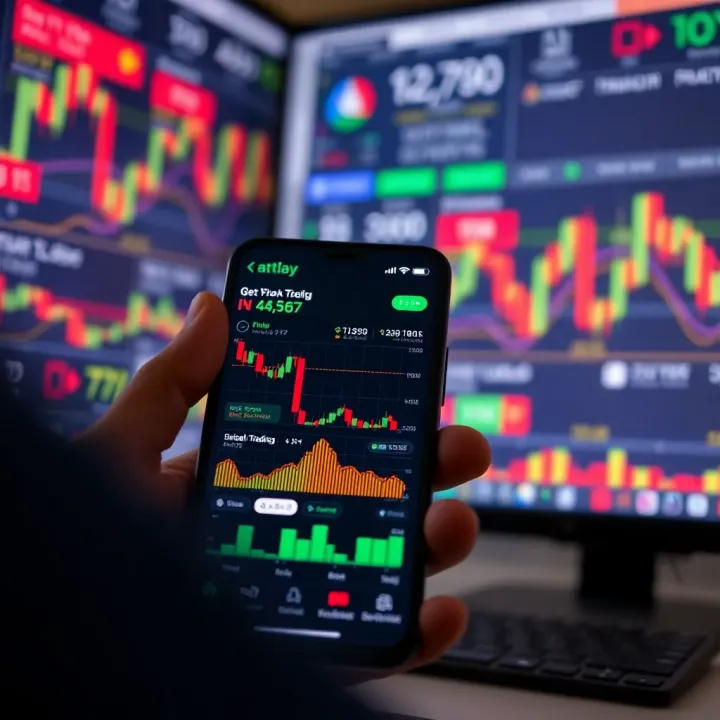
Choosing the right app also means understanding your investment goals and risk tolerance. Some apps like Trove and Bamboo offer straightforward access to Nigerian and US stocks with user-friendly designs suited for beginners. Others, like FXPesa and eToro, provide advanced tools for forex and cryptocurrency traders willing to analyse complex charts and indicators.
Remember, trading apps are tools, not magic solutions. Relying solely on an app without sound knowledge of markets is a recipe for losses. Nigerian markets can be volatile, especially with naira fluctuations and policy changes affecting sectors like oil and banking.
Keep in mind these key points when exploring trading platforms:
Security: Look for apps with two-factor authentication and data encryption. Avoid platforms lacking proper regulatory licences.
Local Payment Integration: Check if the app supports transfers through Nigerian banks like GTBank, First Bank, or Access Bank.
User Experience: Apps should be easy to navigate, with clear menus and simple order execution.
Market Access: Confirm if the app offers access to your preferred asset classes—Nigerian stocks, US equities, cryptocurrencies, or forex.
As you move forward, this guide will break down how to assess trading apps, spot red flags, and leverage features to trade smartly within Nigeria’s unique financial environment.
Online trading apps have reshaped how Nigerians interact with global and local financial markets. These digital platforms have made buying and selling stocks, bonds, and other assets accessible without the need to visit physical brokerage offices. For Nigerians who might face challenges like traffic congestion in Lagos, limited access to traditional banks, or high generator fuel costs, these apps offer convenience and efficiency.
The rise of smartphones with affordable data plans has further pushed many Nigerians to explore online trading. Understanding how these apps operate helps investors make informed choices, avoid common pitfalls, and seize market opportunities responsibly. This section breaks down what online trading apps are and their growing importance within Nigeria’s investing ecosystem.
At their core, online trading apps are software tools that allow users to trade financial instruments directly from their phones or computers. Clients can open accounts, fund them via local payment methods like bank transfers or USSD codes, and access a range of markets, including Nigerian equities and international stocks.
Most apps connect with stock exchanges or over-the-counter markets and provide real-time price data, charts, and news. For instance, a trader on a Nigerian app like Chaka can buy shares listed on the Nigerian Exchange Group (NGX) or access US-listed stocks. Transactions happen instantly or within minutes, with app notifications keeping traders updated.
More Nigerians are embracing these apps because they lower entry barriers and reduce costs. Unlike traditional brokers who often demand high minimum deposits and charge steep fees, many apps allow small investments from as low as ₦1,000. This inclusion empowers young Nigerians, students, and first-time investors to join the market.
Additionally, the investments climate in Nigeria has encouraged use of local investment apps like Kuda and Risevest, which cater to the Nigerian context. For example, Risevest allows users to invest in US dollars from Nigeria, helping protect against naira volatility. Also, during busy periods like ember months, these apps offer a way to keep investing without the need for physical meetings.
Understanding how trading apps work and their relevance locally enables Nigerian investors to confidently participate in financial markets, making wealth creation more accessible and less cumbersome.
This knowledge is essential for anyone planning to invest through these platforms, as it shapes expectations about costs, risks, and usability.
Choosing the right online trading app means understanding what features matter most for practical, day-to-day use. Not all apps are built alike, and for Nigerian investors especially, certain elements can make a big difference in how effective and secure your trading experience will be. From how simple an app feels to the security it offers, each feature can affect your success and peace of mind.
A clean and intuitive user interface (UI) is vital. For many Nigerian investors, especially those new to digital trading, an app that feels like a maze can quickly drive frustration. Nigeria’s broadband speeds and data costs vary widely, so apps that load fast and adapt well to mobile devices help traders stay on top of markets without endless delays. Kuda, for example, is praised locally for a straightforward UI that lets users buy and sell investments without complex menu paths. Look out for dashboards that summarise your portfolio clearly, easy navigation between market sections, and simple order placement forms. The fewer taps it takes to complete a trade, the better.
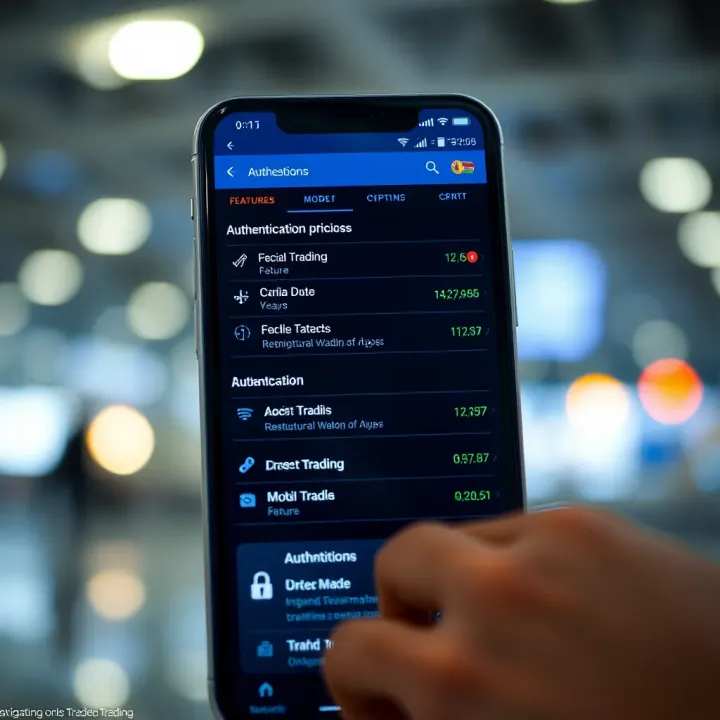
Security is non-negotiable. Trading apps handle sensitive personal data and financial transfers, so robust encryption and secure authentication must be priorities. Beyond technology, compliance with Nigeria’s regulatory bodies like the Securities and Exchange Commission (SEC) adds another layer of safety. Apps registered with SEC and following Central Bank of Nigeria (CBN) guidelines often undergo regular audits and oversight. Consider whether the app requires two-factor authentication (2FA) or biometric login, and check reviews to confirm a history free from reported breaches.
Using an app that meets regulatory standards doesn’t just protect your funds; it also means your trades happen in a trustworthy environment.
Every naira counts, so understanding the fees is crucial. Some trading apps charge flat fees on transactions, while others operate on percentages that can add up for frequent traders. For Nigerian investors, it's also important to check if the app supports local payment methods. Integration with Nigerian banks, USSD codes, or payment services like Paystack or Flutterwave eases fund deposits and withdrawals. Take note of hidden charges such as withdrawal fees or currency conversion costs when trading international assets.
The ability to diversify your portfolio hinges on the markets and asset types available. Some apps focus solely on Nigerian stocks listed on the Nigerian Exchange (NGX), while others open doors to US shares, cryptocurrencies, and government bonds. For instance, Chaka lets users trade both local and international stocks, providing Nigerians wider investment options right on their phones. Before settling for an app, decide whether you prefer sticking to equities only or also want access to forex, commodities, or ETFs. The app’s range will determine how you spread risks and grow your wealth over time.
In summary, an ideal trading app for Nigerian investors balances simplicity with strong security, keeps costs transparent and low, and offers a broad choice of assets. Attention to these features ensures your trading starts on firm footing, avoiding common hurdles that can slow down or scare off new investors.
In Nigeria's fast-evolving investment landscape, choosing the right online trading app can make a big difference. Assessing popular trading platforms helps investors avoid pitfalls like hidden fees, security risks, and limited market access. Understanding the variety of available apps lets you pick one that fits your goals and trading style. For example, some apps focus on local Nigerian stocks, while others offer international equities or cryptocurrencies, catering to different investment appetites.
Native Nigerian trading apps often tailor their services to local needs, such as supporting naira deposits, enabling payments via popular local methods like USSD or bank transfers, and complying closely with Nigerian regulators like the SEC. They provide ease of use for investors prioritising domestic markets and may integrate easily with major Nigerian banks. On the other hand, international apps bring wider access to global stocks, ETFs, and forex markets. These platforms typically offer more advanced tools but may require currency conversion or cross-border payments, sometimes unfamiliar to new Nigerian traders. Understanding these differences allows investors to balance convenience against breadth of investment options.
Kuda App offers everyday Nigerians a simple way to start investing without complicated processes. Primarily known as a digital bank, Kuda now integrates stock trading features, allowing users to invest in Nigerian equities directly from their accounts. Its low fees and user-friendly design suit beginners who want quick access without needing separate platforms.
Chaka bridges local and global investing by letting Nigerians access not only Nigerian Exchange Group (NGX) listed stocks but also hundreds of international stocks from the US market. With Chaka, investors can diversify their portfolios beyond naira assets and tap into companies like Apple and Tesla, all within a single app. The platform supports naira deposits and withdrawals, making it practical for Nigerians wanting global exposure without currency headaches.
Risevest focuses on wealth growth through dollar-denominated investments, offering Nigerians access to US real estate, stocks, and treasury bills. For those wary of naira depreciation, Risevest presents an alternative by enabling saving and investing in stable foreign assets. Its emphasis on education and portfolio management tools adds value for investors seeking to understand and grow their wealth steadily.
eToro is a social trading platform well-known for its copy-trade feature. Nigerian investors can follow experienced traders worldwide, mimicking their trades automatically. This helps novices learn by example while accessing stocks, cryptocurrencies, and commodities internationally. However, currency conversion fees and compliance with Nigerian regulations should be considered.
Interactive Brokers caters to serious investors with its comprehensive range of markets and powerful analytical tools. Though it presents a steeper learning curve and requires sizeable initial funding, it offers low trading commissions and access to diverse securities globally, including options and bonds. For Nigerian traders aiming to build sophisticated portfolios, Interactive Brokers is a worthy option.
Robinhood made waves for commission-free trading in the US and offers a straightforward mobile experience. While not officially supporting Nigeria, some Nigerian investors use it via VPNs and international bank accounts. It provides access mainly to US stocks and ETFs, but limited payment options and regulatory constraints may pose challenges. Still, its free trading and simple layout attract Nigerian millennials looking to tap into global markets.
Choosing between native Nigerian apps and international platforms depends on your investment goals, risk appetite, and ease of use. While local apps offer tailored convenience and regulatory comfort, international platforms widen your investment horizon but demand more due diligence.
By carefully comparing these apps’ features, fees, and accessibility, Nigerian investors can make informed decisions that align with their financial ambitions and operating realities.
Using online trading apps in Nigeria can open up abundant opportunities, but it demands a careful approach to avoid pitfalls. This section lays out practical advice to help you navigate these platforms confidently and maximise your investment potential.
Opening an account with a trading app often involves submitting documents like your National Identification Number (NIN), Bank Verification Number (BVN), and utility bills. Verification isn't just a formality; it protects you by confirming your identity and complying with Nigerian regulations like those enforced by the Securities and Exchange Commission (SEC). For example, on platforms like Chaka or Kuda, the verification process can take anywhere from a few hours to a couple of days depending on document clarity and app responsiveness. Make sure to have digital copies of all necessary documents ready. This speeds up registration and prevents frustration.
Markets fluctuate, sometimes wildly, and online trading apps reflect this volatility sharply. It’s crucial to recognise that investing isn’t a guaranteed path to riches. Diversifying your portfolio—mixing shares, ETFs, and bonds—can cushion against losses. For instance, if shares in a Nigerian bank decline due to local economic challenges, holdings in international stocks via platforms like Risevest might balance out the impact. Monitoring daily price movements is handy, but don't panic-sell during dips. Instead, take time to understand trends and make adjustments aligned with your investment goals and risk tolerance.
Many apps offer built-in tools like charts, market news, and analyst ratings. Using these features means you can do your homework without hopping between sources. For example, apps like Chaka provide real-time price alerts and company fundamentals, helping you decide when to buy or sell. Set up personalised watchlists to focus on preferred assets. This saves time and sharpens your strategy. Remember, relying solely on app data isn’t enough—combine it with external research, maybe from Nigerian financial news sites or SEC updates, for a fuller picture.
Beginners often fall into traps like investing based on rumours or unverified tips circulated in WhatsApp groups. Online scams are real risks in Nigeria’s trading scene. Always verify information before acting and avoid apps that ask for unusual access or unusually high fees. Stick to apps regulated by the SEC and registered with the CBN. Never share your login details or PINs, even if someone claims to be support. If an offer sounds too good to be true, like “guaranteed 50% returns in a week”, it likely is. Keeping your devices and apps updated also helps prevent hacking.
Successful trading through apps depends not just on picking assets, but on knowing how to use the platform safely and smartly. Preparation and caution go a long way.
With these tips, Nigerian investors can avoid many common headaches and make their online trading experience more productive and secure.
When trading online in Nigeria, understanding the security and regulatory landscape is non-negotiable. With the rise of digital platforms, scams and fraud have multiplied, making it critical for traders to navigate within clear boundaries backed by regulatory frameworks. Proper knowledge shields your investments and personal data from common pitfalls.
The Central Bank of Nigeria (CBN) and the Securities and Exchange Commission (SEC) are the key regulatory bodies overseeing online trading in Nigeria. CBN sets the guidelines for payment gateways and foreign exchange management, while SEC actively regulates the activities of stockbrokers and fund managers to protect investors.
For example, SEC requires all trading platforms that offer access to the Nigerian capital markets to be registered with them. This means you should only use apps licensed by the SEC to trade shares listed on the Nigerian Stock Exchange (now NGX). Use of unregistered platforms increases the risk of financial loss and makes your transactions unprotected by law.
Similarly, the CBN’s guidelines on electronic payments help curb unauthorised fund transfers. When using mobile money or bank apps linked to trading platforms, CBN rules ensure transactions are traceable and that users have recourse in cases of fraud.
Always verify that your chosen trading app complies with both CBN and SEC regulations. This simple step significantly reduces your exposure to scams.
Securing your personal information and investment capital takes priority. Nigerian investors face risks from phishing, identity theft, and hacking, especially when apps lack strong security measures.
Start by using platforms with two-factor authentication (2FA). This requires a second verification step besides your password, adding a crucial layer of protection. Passwords should be unique, combining letters, numbers, and symbols—never reuse passwords across different financial apps.
Beware of public Wi-Fi when accessing trading apps. These networks are more vulnerable to hackers intercepting data. If you must use public internet, employ a virtual private network (VPN) to encrypt your connection.
Regularly update your app and phone software to patch security vulnerabilities. Also, monitor your transaction history for unusual activities; swift reporting to your broker or bank can prevent damages.
Lastly, avoid sharing your BVN, bank details, or login credentials with anyone. Genuine trading platforms will never ask for these outside secure channels.
By pairing awareness of regulatory requirements with smart security habits, Nigerian traders can confidently engage with online trading apps. Protecting your digital wallet and personal details ensures your investment journey is not just profitable but also safe.
Discover how to pick the best online trading app in Nigeria 📱. Learn about security, trading tools, user experience, and regulations to trade with confidence.
Discover how to pick the best trading app for Nigerian investors 🇳🇬. Compare features, fees, and security to trade confidently and grow your investments 📈.
Discover how Nigerian traders can tap online platforms to trade assets safely 💻. Learn key tools, risks, and strategies for success in Nigeria’s unique market 🌍.
Find the best online trading platform in Nigeria 🇳🇬! Explore top choices, fees, security, assets & customer support for smarter investing 📈💼
Based on 15 reviews