
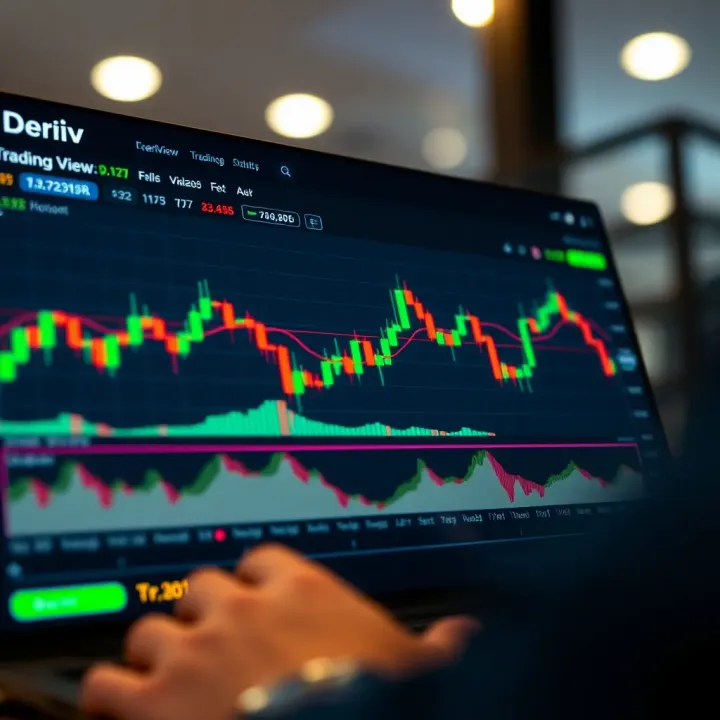
Using TradingView on Deriv: A Practical Guide
Explore TradingView on Deriv 📈: Learn how to use charting tools, enhance your strategies, and trade smarter in Nigeria and similar markets.
Edited By
Ethan Walker
In today's fast-paced trading world, having the right tools can make all the difference between success and missed opportunities. For Nigerian traders, combining the robust charting capabilities of TradingView with the flexible trading environment offered by Deriv creates a powerful combo. But, it's not just about using two platforms separately — understanding how to integrate and use them together can up your trading game significantly.
This guide is here to walk you through exactly that. From the nuts and bolts of what TradingView and Deriv bring to the table, to the practical steps of linking them up, we'll cover it all. Plus, we'll sprinkle in practical advice to help you navigate common pitfalls, keep your trades secure, and manage fees smartly.
Whether you're an investor analyzing trends, a trader hunting for sharp entries and exits, or a student keen on understanding market mechanics, this article offers a clear path to becoming more efficient in your trading decisions. No fluff, just solid, actionable insights tailored for the Nigerian market.
TradingView has become a staple tool for traders and investors worldwide, and understanding its core features is essential for anyone looking to enhance their trading game, especially when used alongside platforms like Deriv. This section lays the groundwork by covering what makes TradingView stand out—from its powerful charting tools to the vibrant community that fuels idea sharing and insight.
TradingView offers a variety of chart styles that cater to different trading needs. Beyond the familiar candlestick and bar charts, traders can use Renko, Kagi, Point & Figure, and Heikin Ashi charts, each highlighting price action differently. For example, Renko charts filter out minor price fluctuations, helping Nigerian traders focus on significant price trends without noise cluttering the view.
Technical indicators are the bread and butter for technical analysis on TradingView. Some widely used ones include the Relative Strength Index (RSI), Moving Average Convergence Divergence (MACD), and Bollinger Bands. These indicators assist traders in spotting trends, gauging momentum, or identifying potential reversals. For instance, if RSI rises above 70, it could signal an overbought market, a cue to reconsider a long position.
TradingView allows users to tweak almost every aspect of their charts. Traders can change colors, zoom levels, interval times (minutes, hours, days), and even add multiple indicators on a single chart. This customization ensures that traders can tailor their workspace for comfort and clarity, such as adjusting chart colors to reduce eye strain during late-night sessions.
A unique strength of TradingView lies in its community-created scripts and strategies. Traders can publish or access custom Pine Scripts, which might automate strategy testing or generate new indicators. This shared knowledge pool can be a goldmine for Nigerian traders seeking fresh perspectives or automated tools without needing to code themselves.
TradingView’s social network allows you to follow seasoned traders and analysts. By observing their analyses and trade ideas, you can learn different approaches and stay updated on market trends. For example, a forex expert might share insights on the NGN/USD pair that you wouldn’t find otherwise.
Alerts on TradingView can be set for price levels, indicator signals, or custom scripted conditions. This feature is crucial for traders who can’t stare at their screens all day. Imagine setting an alert for when the GBP/USD pair crosses a significant resistance level so you get notified instantly on your phone, enabling timely trade decisions.
Utilizing TradingView’s charting and social features makes market analysis more insightful and efficient, paving the way for smarter trades on Deriv.
In summary, mastering TradingView’s charting and community tools sets a solid base for integrating with Deriv’s trading platform effectively. This knowledge empowers traders to make informed decisions backed by robust data and collective wisdom.
Delving into what Deriv offers is essential for any trader aiming to blend the rich charting features from TradingView with an efficient execution platform. Deriv isn't just another broker; it provides a range of instruments and user-friendly tools that suit both beginners and seasoned traders. Its versatility allows Nigerian traders, for example, to tap into various markets with tailored options and account types.
Understanding the breadth of markets Deriv serves, alongside the variety of accounts and features available, shapes better decision-making when aligning your TradingView analysis with actual trades. In practice, knowing these elements prevents surprises and equips you to leverage Deriv’s strengths fully.
Forex trading on Deriv covers popular currency pairs like EUR/USD and GBP/USD, giving traders a chance to benefit from movements in the world's largest market. Alongside forex, indices represent a basket of stocks bundled into a single value indicator, such as the US 30 or UK 100. This mix caters to diverse strategies – whether you're looking for currency volatility or broader economic trends.
Deriv simplifies access by offering competitive spreads and flexible trade sizes, making it practical for the average Nigerian trader. By trading forex and indices together, you diversify your portfolio while using the same platform and integrated charts from TradingView.
Commodities on Deriv include metals like gold and silver or energy products like oil. These assets often respond differently to geopolitical or seasonal factors than stocks or forex. Including them in your watchlist helps spot opportunities within economic cycles trends, inflation changes, and crises.
Synthetic indices are a neat feature unique to Deriv. These are 24/7 market simulations mimicking real-world price movements, but unaffected by external interruptions like holidays or political events. For a Nigerian trader wanting consistent action outside normal market hours, synthetic indices offer round-the-clock possibilities to apply technical analysis from TradingView.
Options trading on Deriv lets you bet on price direction within a set timeframe without owning the underlying asset. This could mean predicting if gold will be higher or lower in the next hour, using binary or digital options formats. CFDs (Contracts for Difference) give you exposure to asset price changes without holding the asset directly.
Both options and CFDs come with risk management perks — you can set stop losses or take profit points easily. The flexibility and variety here mean that your TradingView signals can be executed with several order types, giving room to tailor trade entries and exits precisely.
Deriv offers both demo and real accounts, which is great for practicing. A demo account mirrors real market conditions using virtual funds, so it’s perfect to test your TradingView strategies without risking actual cash. Once you're confident, switching to a real account is straightforward.
This approach works well for Nigerian traders adapting to new markets or refining strategies. Starting on demo windows helps iron out mistakes and learn platform features before jumping into live trades.
Leverage on Deriv lets you control larger trade sizes with a smaller amount of capital, but this comes with increased risk. You might start trading forex with 1:100 leverage, meaning a ₦10,000 deposit controls ₦1,000,000 worth of assets. However, high leverage can wipe your account quickly if the market moves against you.
Margin requirements vary based on assets and account types, so pay attention to what Deriv specifies for your chosen market. This knowledge ensures you don’t get margin called unexpectedly and helps manage your risk effectively.
Trading Deriv isn’t limited to a desktop; the platform offers fully functional mobile apps compatible with Android and iOS devices. This flexibility means you can monitor TradingView charts and execute trades anywhere—whether you're catching a bus in Lagos or at your desk in Abuja.
The desktop version, meanwhile, provides more extensive tools and chart space for in-depth analysis. For Nigerian traders balancing busy days, having both options means you’re never out of the loop and can act on TradingView insights instantly.
Taking the time to understand Deriv’s trading environment, from market choices to account features, lays a solid foundation for successful integration with TradingView. You'll trade smarter, protect your funds, and maximize your tools' potential.
Connecting TradingView with Deriv isn’t just a neat technical trick—it's a way to make your trading much smoother and smarter. For traders in Nigeria who want to take advantage of detailed charts and execute trades quickly, knowing how to link these two platforms is fundamental. This integration helps you analyze the markets deeply on TradingView and execute trades directly through Deriv's interface without toggling between apps.
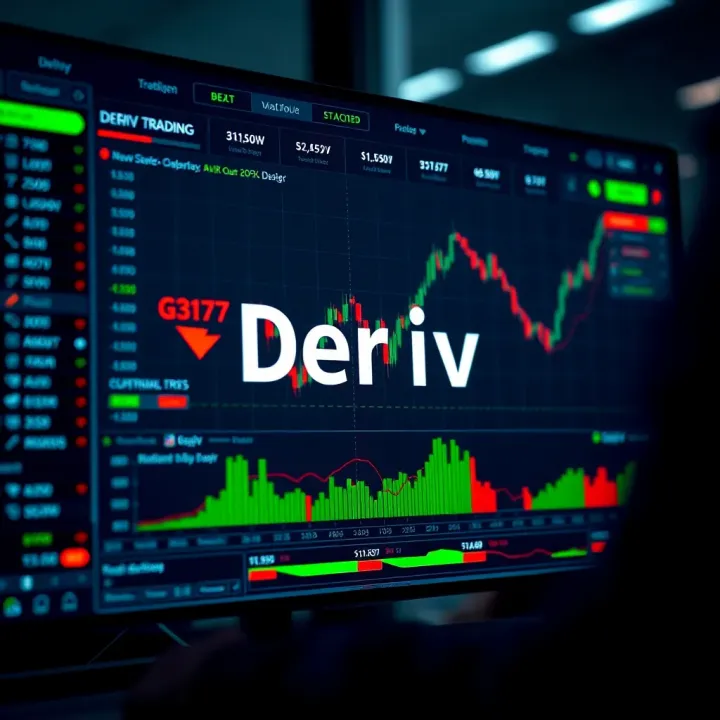
The central piece to connect TradingView with Deriv is the API or any available integration tools. While TradingView itself doesn’t officially support direct trading through Deriv APIs, many traders rely on third-party services or webhook alerts to bridge this gap. These webhooks send signals or trade alerts from TradingView so you can manually or automatically place trades on Deriv.
For example, you might set up an alert on TradingView to trigger a webhook that sends buy or sell signals to an automation tool which then places orders on Deriv. While this isn’t plug-and-play, platforms like Zapier or custom scripts using Python can do this job.
Important: Always test your setup on demo accounts before going live to avoid costly mistakes.
Once you have your API or webhook system in place, proper account configuration on both platforms is key. Start by linking your Deriv real or demo account with your alert system, ensuring the login tokens or API keys are correct and permissions are set for trade placements.
On TradingView, make sure your chart layouts and alerts are customized according to your strategy and perfectly synced with the parameters you’ll need for trading on Deriv. For instance, if you are day trading forex pairs, configure alerts for specific price levels or indicators that directly translate into your Deriv trades.
Double-check time zone settings on both platforms to avoid mismatches that can throw off your trade timing, especially important in volatile markets.
TradingView provides an unmatched variety of charts, indicators, and drawing tools. By linking these charts to Deriv, you get to base your trades on in-depth analysis rather than guessing. Seeing real-time data shaped by RSI, MACD, Bollinger Bands, or even custom Pine Script indicators lets you anticipate market moves more confidently.
For example, spotting a typical head-and-shoulders pattern on TradingView can guide you to place a smart put option on Deriv before the price drops, maximizing your potential profits.
Time is money in trading. When your charts and trading interface are connected, you aren’t scrambling between tabs or multiple devices. Alerts configured in TradingView can instantly inform you of critical price movements, enabling quicker decisions on the Deriv platform.
A Nigerian trader watching the volatile indices market might receive a quick alert on TradingView about a breakout and then rapidly execute trades on Deriv, capitalising on the moment before the window closes.
Integrated use reduces mistakes like delayed order entries or missing trade signals. It can also support different order types that Deriv offers—like market and limit orders—executed based on conditions you define in TradingView alerts.
Moreover, by syncing your analysis and execution, you reduce the risk of emotional trading since you rely on predefined signals rather than instinct alone. This discipline is crucial in staying consistent and profitable.
Linking TradingView with Deriv means blending detailed analysis with fast execution—two essentials for trading success, especially in fast-moving markets like Nigeria’s.
In summary, learning to connect and configure these platforms properly gives you a sharp edge. The deeper insights from TradingView, paired with Deriv’s flexible trading tools, create an environment where strategies come alive efficiently and confidently.
In the trading world, knowing the theory is one thing, but applying it practically often makes all the difference. This section zeroes in on how traders can use TradingView’s powerful charting alongside Deriv's execution platform to make smarter moves. The connection isn’t just about viewing charts—it’s about spotting the right moments to enter or exit trades and then acting on those insights efficiently. When you combine TradingView’s visual analysis with Deriv’s flexible order execution, you can sharpen your timing and manage trades with more confidence, which is vital in the fast-paced market.
Technical indicators are the bread and butter for many traders looking to fine-tune their entry and exit points. On TradingView, you’ll find a wide range of indicators like Moving Averages (MA), Relative Strength Index (RSI), and Bollinger Bands. For example, a common strategy might be to watch the 50-day moving average crossing above the 200-day moving average, signaling a potential buy opportunity—sometimes called the 'Golden Cross'. Conversely, if the RSI climbs above 70, it can hint that the asset is overbought and might soon pull back, signaling a possible exit.
By layering several indicators, you can avoid impulsive trades driven by just one signal. Suppose you see an RSI above 70 but the price is still below the moving average, you might hold off. This method helps reduce false alarms and aligns your trades more closely to market momentum. The key is to customize indicators on TradingView according to your trading style—for instance, shorter periods for day trading, longer for swing trading.
Patterns on TradingView charts are like signposts that hint at potential price moves ahead. Patterns such as Head and Shoulders, Double Tops and Bottoms, or Triangles can be effective tools for setting up strategies. Take the Head and Shoulders pattern—it's a classic reversal sign. When you spot it forming, it often means the current trend may flip, giving you a heads-up to prepare to exit or enter a trade depending on the trend direction.
Another example is the ascending triangle, which usually indicates a bullish continuation. If the price breaks above the triangle's resistance line, it could be a trigger to jump in with a buy order on Deriv. Learning to spot these setups on TradingView charts helps you anticipate movements, making your trading more proactive rather than reactive.
Once you identify a trading signal on TradingView, getting your order right on Deriv makes the strategy count. Deriv supports a variety of order types, including market orders, limit orders, and stop orders. For instance, a limit order lets you specify the exact price you want to buy or sell an asset—helpful when waiting for a pullback or breakout signaled on TradingView.
Stop orders are great for managing risk by automatically closing a position once the price hits a certain level, protecting gains or capping losses. If your TradingView analysis suggests that you should exit a trade if price drops below a support level, you can set a stop loss order on Deriv accordingly. This integration means your trades don't have to wait on your reaction time, which often can mean the difference between a loss and a profit.
Risk management is the unsung hero of successful trading. Deriv offers features like stop losses, take-profit orders, and guaranteed stops, which allow you to limit how much you might lose on any single trade. Say you're trading a volatile currency pair and TradingView charts hint at a strong resistance zone; using a guaranteed stop loss on Deriv ensures that even with rapid price swings, your loss won't exceed a comfortable amount.
Position sizing is another crucial part of risk management. By deciding how large a trade to place relative to your total capital, you avoid overexposure. Using Deriv alongside TradingView allows you to set alerts and quickly adjust trades if the market shifts unexpectedly. In essence, these tools help you keep your losses manageable while maximizing the chances to profit.
Practical strategies are not just about spotting opportunities but effectively executing and managing trades. Your ability to combine TradingView’s analysis with Deriv’s trading capabilities can genuinely elevate your trading outcomes.
By understanding how to identify trade signals and apply them quickly and safely on Deriv, Nigerian traders can gain an edge in their trading pursuits. This section lays out the groundwork for that synergy, helping you trade with both your head and your heart.
Keeping your trading accounts secure is no small potatoes, especially when you’re juggling platforms like TradingView and Deriv. Cyber threats and scams are unfortunately common, so understanding security basics isn’t just a good idea—it’s a must. Whether it’s protecting your login info or spotting dodgy phishing attempts, being alert can save you from a headache or worse, significant financial loss.
Two-factor authentication (2FA) adds an extra lock on your account beyond just your password. Think of it as your front door having a deadbolt and a security chain. When you log in, after typing your password, you’ll also need to enter a code sent to your phone or generated by an app like Google Authenticator. This means even if someone sneaks away with your password, they still can’t break in without that second code. Both TradingView and Deriv support 2FA, so turn it on straight away—it’s a small step that makes a huge difference.
Safe login practices might sound obvious, but they’re often overlooked. Besides using strong, unique passwords for TradingView and Deriv, always avoid logging in via public Wi-Fi without a secure VPN. Hackers often set up fake Wi-Fi networks to catch login details. Also, steer clear of saving your password in browsers, especially on shared devices. If you notice a login from an unfamiliar location or device, double-check and change your password immediately. Keeping your login details private and updating them regularly helps build a solid security habit.
Phishing attempts are like trapdoors: you don’t see ’em coming until you fall through. They usually arrive via email or text, pretending to be official messages from TradingView, Deriv, or even your bank. They'll ask you to click a link and enter your password or personal details. Nigerian traders should watch out for spelling errors, strange sender emails, or urgent demands for info—these are red flags. If an email urges you to act fast or offers something too good to be true, take a step back and verify before clicking anything.
Fake platforms masquerading as legit ones can cost swing traders dearly. Always double-check you’re using the official TradingView and Deriv websites or apps. For instance, ensure the site URL matches exactly and uses HTTPS encryption. Avoid downloading apps from unofficial app stores or clicking suspicious links sent through chats or social media. It helps to cross-check user reviews and consult trusted communities or forums like local trading groups to confirm a platform’s authenticity.
Staying ahead of scams boils down to vigilance and informed actions. Use security tools provided by platforms, keep your software updated, and never rush into decisions when it comes to your accounts.
By making these security steps a regular part of your trading routine, you shield your investments and keep your focus where it should be—on making smart trades, not fixing avoidable problems.
Understanding the costs involved when using TradingView alongside Deriv is vital for Nigerian traders aiming to trade efficiently without surprises. Knowing where your money goes—from subscription fees to trading commissions—helps you keep your expenses in check and manage your profits better. In practice, a trader might find they’re paying for tools they don’t use or overlook cheaper options that fit their style. This section breaks down the core expenses so you can make smarter choices and avoid getting caught off guard.
TradingView offers various subscription levels, starting from a free plan with basic charting tools and limited indicators to more advanced paid tiers. The free plan is great for beginners or casual traders, granting access to live charts and a handful of indicators but with limits on simultaneous chart layouts and alerts.
Paid plans—like Pro, Pro+, and Premium—unlock more indicators per chart, multiple chart setups, and priority access to real-time data. For example, a Pro+ subscriber can use up to 10 indicators on one chart and set up to 100 alerts, which can be a game changer for spotting quick opportunities on Deriv.
Being selective matters. If you mostly trade forex and synthetic indices on Deriv, a Pro plan might be enough. But day traders who rely heavily on numerous custom indicators and real-time alerts could justify the Premium plan despite its higher cost.
The different tiers translate to varying levels of market insight and control. With higher plans, you get features like multi-device sync and enhanced charting options, which help you monitor multiple assets simultaneously. This is especially handy for traders managing multiple trades on Deriv’s platform.
For instance, the Premium plan allows you to see more indicators across several charts while also providing faster execution signals—meaning less lag. Think of it like upgrading from a bike to a motorbike; you get where you want faster and with more power.
To weigh the value, consider how often you use TradingView daily. If you’re a part-time trader who checks charts now and then, free or Pro might suffice. But if trading is your day job, the cost of a higher tier could pay off by giving you better setups and quicker decisions.
Deriv usually operates on a spread-based pricing model rather than fixed commissions for many instruments, meaning what you pay depends on the gap between buying and selling prices. However, some products and account types might include small commissions.
For example, synthetic indices on Deriv typically have no commission but slightly wider spreads, while forex pairs might have narrower spreads with minimal commissions. This setup is quite straightforward, but it’s important to review these details regularly as they can vary based on market conditions.
Nigerian traders should keep an eye on these fees because even small differences add up over many trades, cutting into profits if not accounted for.
Spreads on Deriv are generally competitive but vary between assets. Take the EUR/USD forex pair: Deriv might offer spreads starting as low as 0.6 pips on some accounts, which is decent compared to industry standards.
On synthetic indices, spreads tend to be fixed but slightly wider to cover round-the-clock market volatility. A good way to think about it: spreads on Deriv reflect its risk management and 24/7 market accessibility.
Comparing these spreads with those from other platforms like MetaTrader brokers or local Nigerian brokers can help you see if Deriv’s fees align with your trading style and volume. For scalpers or high-frequency traders, tighter spreads can lead to better margins, while long-term position holders might tolerate wider spreads.
Keeping track of TradingView’s subscription costs alongside Deriv’s trading fees ensures you’re not paying extra for overlapping features or hidden costs, a simple but effective step toward smarter trading decisions.
Navigating the financial markets using both TradingView and Deriv can be a powerful approach, but Nigerian traders face unique challenges and opportunities. Understanding how to tailor strategies specifically for local conditions is key to improving results. This section highlights practical advice for adapting your trading methods and making the most out of these platforms in Nigeria’s context. From local market hours to currency issues, and from handy features on both platforms to continuous learning, knowing these tips can seriously up your game.
Market hours vary globally, impacting liquidity and volatility, and Nigerian traders must be mindful of this when working with international instruments on Deriv and analyzing charts on TradingView. For example, the London Stock Exchange opens at 8 am GMT, which is 9 am in Nigeria, but the New York Stock Exchange opens at 2 pm local Nigerian time. Attempting to trade US market indices outside these hours can lead to illiquid conditions and bigger spreads.
Planning trades around these key market windows improves execution and reduces slippage. Nigerian traders should also consider the timing of economic news releases from both local sources like the Central Bank of Nigeria and international ones like the US Federal Reserve, as these can cause rapid price movements. Setting alerts on TradingView for these events helps avoid surprises.
Since Deriv operates in USD and other major currencies, Nigerian traders need to pay close attention to the Naira exchange rate and currency conversion fees. Trading with USD-based accounts means your profits and losses will be affected by the USD/Naira exchange rate fluctuations. For example, a drop in the Naira’s value against the dollar can erode gains if you convert back too soon.
To manage this, consider holding funds in a USD wallet within Deriv when possible, minimizing frequent conversions. Also, when setting take-profit or stop-loss orders on TradingView integration, factor in exchange rate risk—not just the underlying asset volatility. Paying attention to the Nigerian forex market trends, which sometimes react differently than global markets, will give you an edge in timing trades wisely.
Both TradingView and Deriv come equipped with alert features that can drastically improve your trading discipline. For instance, setting alerts on TradingView to notify you when a technical indicator crosses a threshold or when price breaks a support level means you don't have to stare at the screen all day.
Deriv also allows notifications for order execution and margin calls. Nigerian traders juggling multiple trades will find this especially useful to avoid missing important trade entries or exits. Combining alerts from both platforms ensures quicker responses to market moves, helping lock in profits or cut losses faster.
Remember to customize the alert settings according to your strategy’s specifics—too many notifications can lead to ignoring them, while too few might cause missed opportunities.
The markets never stop changing, and constant learning is a must, especially when working with tools like TradingView and Deriv. There are some great free and paid courses, webinars, and community discussions tailored to Nigerian traders. For example, local trading groups and online forums provide context-specific advice about trading hours, regulations, and market conditions.
TradingView’s community scripts and ideas are great for experimenting with new indicators or strategies shared by other traders worldwide. Deriv’s help center and blogs often publish practical tutorials for Nigerian users. Scheduling time regularly to update your knowledge and test new setups on demo accounts will help you stay ahead without risking real money.
Consistent refinement, combined with leveraging local insights and platform tools, can make trading less guesswork and more strategy-driven for Nigerian traders using TradingView and Deriv.
In short, adapting to local realities and squeezing the most from platform features takes patience and deliberate effort, but it will pay off in better trades and smarter decisions.
Explore TradingView on Deriv 📈: Learn how to use charting tools, enhance your strategies, and trade smarter in Nigeria and similar markets.
Boost your trading in Nigeria by linking TradingView with Deriv 📈. Learn setup tips, market analysis, and smart trade execution strategies.
📊 Learn how to integrate TradingView charts into binary options trading in Nigeria. Step-by-step guide with tips on customization, data, and compliance.
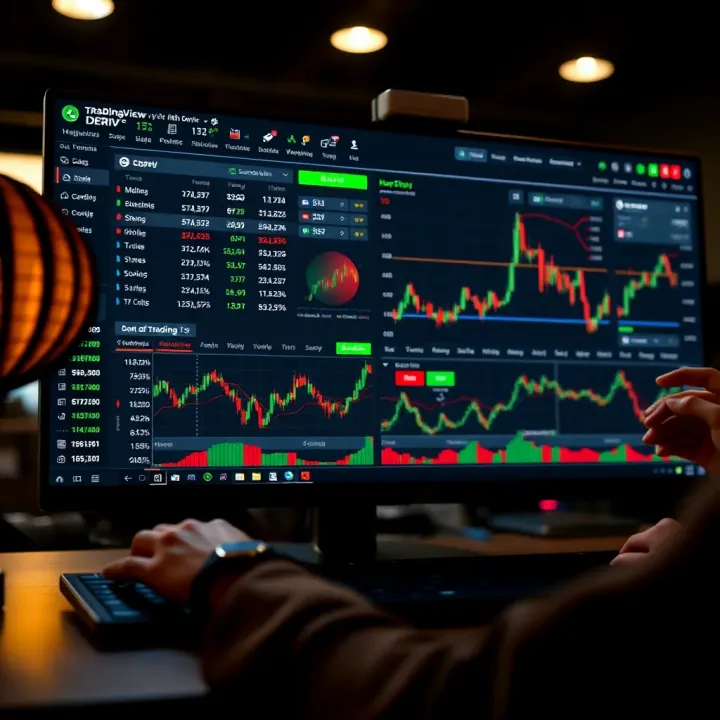
📈 Learn to connect TradingView charts & tools with Deriv for a smoother trading experience. Step-by-step guide and tips made for Nigerian traders!
Based on 11 reviews