
Gold Price Prediction Today: Insights for Nigerians
Stay ahead in gold investment today! Discover key global and Nigerian market trends shaping gold prices, with practical tips to help you buy, sell, or hold smartly 💰📈
Edited By
Henry Collins
Gold holds a special place in Nigeria’s culture and economy, making it more than just a shiny metal. Traders, investors, and collectors often look for the best places to buy gold without overpaying. Finding affordable gold means understanding where to shop, what affects prices, and how to spot genuine gold amidst the market hustle.
One thing to keep in mind is that gold price varies between regions and sellers, sometimes influenced by purity, demand, and currency fluctuations. Lagos, Abuja, and Jos are known hubs where gold deals thrive. Lagos’s commercial centres like Balogun Market and Oju Olomo have long been popular, but buyers need to be watchful for quality and authenticity.

When buying gold, always prioritise verified sellers and avoid deals that seem too good to be true. Security and trustworthiness save more money in the long run.
Understanding the purity labels — 14k, 18k, 22k, and 24k — helps you get value for your money. Higher karat means more gold content but usually a higher price. Sellers sometimes mix karats to offer varied price points, so knowing this helps when negotiating.
In addition to physical markets, consider licensed jewellery stores and established dealers known for honest pricing and certification. Abuja’s Wuse Market and Jos’s Bukuru Market have traders offering competitive prices, where bargaining often determines the final cost.
In short, cheapest does not always mean good value. Be ready to compare prices across cities, check gold purity, and confirm seller credibility. That way you dodge scams and ensure your ₦ investment shines bright.
Location matters: Lagos, Abuja, Jos are prime gold buying centres
Purity affects price and value — know your karats
Always choose trusted sellers with certification
Market demand and naira fluctuations influence cost
Bargaining is common and can lower prices
By bearing these basics, you'll be better positioned to spot the cheapest, most reliable gold vendors in Nigeria's bustling gold trade markets.
Understanding the gold market in Nigeria is essential for anyone aiming to invest, trade, or purchase gold affordably. The local market is shaped by unique factors including mining activities, regional demand, and varying levels of regulation. This section provides clarity on these dynamics, helping you identify where to find authentic, reasonably priced gold.
Gold trading centres in Nigeria are mostly concentrated in regions known historically for artisanal mining. Zamfara State leads as a major hub, hosting numerous miners and dealers. Here, gold often changes hands from small-scale miners directly to traders, which can lower costs compared to big-city markets. Other northern states like Kebbi and Niger also have active gold markets, though less prominent.
In the southern and central zones, places like Lagos and Abuja act more as commercial distribution centres rather than mining hotspots. Lagos, with markets such as Balogun and Idumota, offers a wide range of options, though prices might carry a premium due to added transport and craftsmanship costs. Abuja’s markets are emerging venues where regulatory oversight tends to be stricter, influencing price stability.
Several specific factors drive gold prices locally in Nigeria. First, the purity or karat of the gold directly affects pricing; pure gold (24 karat) commands the highest value. However, sellers sometimes mix purity levels to accommodate demand, which can impact prices.
Secondly, exchange rate fluctuations between naira and major currencies like the US dollar play a big role. Since gold prices are tied to global markets quoted in dollars, naira depreciation often pushes local prices higher.
Thirdly, supply-chain issues such as transportation challenges and security concerns in mining regions can increase overhead costs. For instance, during the ember months, when demand spikes, and transport fares soar, these costs filter into gold prices.
Lastly, government regulations and interventions also shape price trends. Periodic crackdowns on illegal mining or changes in import duties can alter availability and thus cost.
For practical buyers, knowing these hotspots and price drivers helps in timing purchases wisely and negotiating better deals. Always verify source authenticity and local market trends before investing.
In the next sections, we will explore where exactly in Lagos, Abuja, and other cities you can find affordable gold, plus tips to ensure your purchase is genuine and cost-effective.
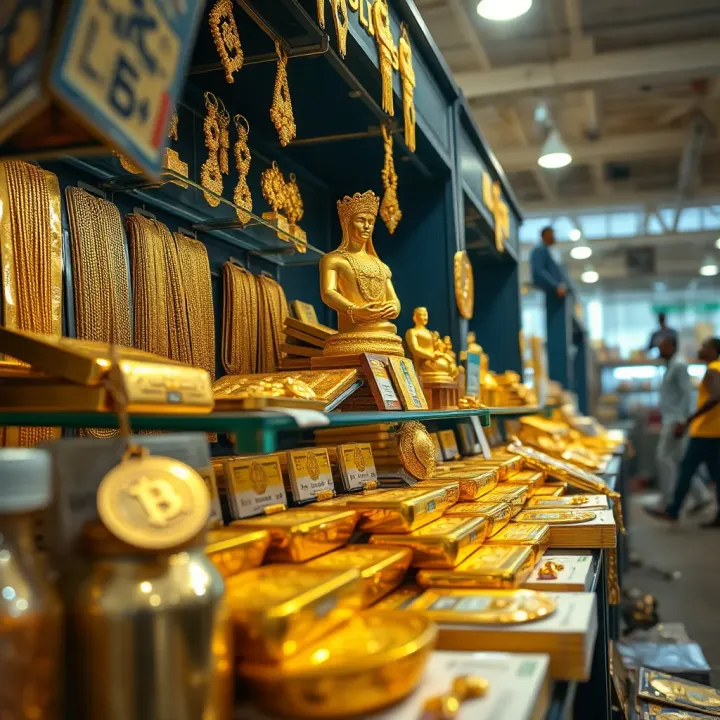
In Nigeria, where gold trading is vibrant yet varied, knowing the right places to buy affordable gold can save you serious money and stress. The pricing often depends on location, vendor credibility, and associated charges like making fees or exchange rates. For traders or investors, focusing on major cities ensures access to a range of options—straight from local markets to licensed dealers.
Lagos stands out as Nigeria’s commercial heartbeat and hosts some of the most competitive gold markets. Popular hubs like Balogun Market on Lagos Island are known for a wide variety of gold items—rings, necklaces, bracelets—often available at negotiable rates. Because of the heavy competition among sellers, prices here can be more affordable compared to other cities. However, buyers should exercise caution to verify the purity and authenticity, as unregulated shops sometimes flood the market.
Another key spot is the Oshodi area, where smaller gold traders offer flexible prices, especially for bulk purchases or repeat customers. Additionally, Ikoyi’s high-end jewellery stores cater to buyers looking for certified pieces, though prices here tend to be above market average. Besides physical markets, Lagos benefits from proximity to port operations, making it easier for traders to access imported gold, occasionally reducing costs.
Abuja, as the federal capital, offers structured gold buying environments with a focus on licensed dealers and banks. The central Abuja market provides safer transaction settings due to tighter enforcement and more reputable traders. While prices might be marginally higher than Lagos due to operational costs, the security and certified purity of gold in Abuja command peace of mind.
Port Harcourt and Kano are emerging as important gold trading centres due to their growing commercial activities. In Port Harcourt, local markets and jewellery shops offer decent deals, especially for those familiar with the vendors. Kano, with its historic trade links and artisan goldsmith communities, presents unique opportunities for finding affordable gold crafted by skilled hands.
For anyone looking to buy gold affordably in Nigeria, visiting these cities and their respective markets is a practical step. Pay attention not only to price but also to vendor reliability and product certification.
To sum up, the best approach involves balancing affordability against safety. Lagos offers bargains if you tread carefully, Abuja provides certified options at a higher premium, while cities like Port Harcourt and Kano offer niche markets that may surprise you with unique finds and competitive pricing. Always prioritise authenticated sources and look beyond just the price tag to avoid pitfalls.
Balogun Market (Lagos): Best for competitive prices and variety
Oshodi Market (Lagos): Good for negotiation especially with bulk buying
Central Abuja Market: Offers certified gold with safer transactions
Port Harcourt & Kano: Emerging centres with artisan gold options
When you combine these locations with smart buying strategies, you lower risks while maximising value in the Nigerian gold market.
Grasping gold purity and pricing is essential when hunting for affordable gold in Nigeria. Without this knowledge, buyers risk paying too much for substandard pieces or falling prey to scams. Gold's value largely hinges on its purity, usually measured in karats, and market forces that sway demand and pricing locally.
The karat system rates gold purity on a scale up to 24 karats, where 24-karat gold is nearly pure. In Nigeria, 24K gold is relatively soft, making it less practical for some jewellery. Therefore, 18K or 14K gold—which includes other metals for durability—are common choices, especially in Lagos markets.
For example, 18K gold contains 75% pure gold mixed with 25% other metals like copper or silver, leading to a lower price than 24K but greater strength. Buyers should always check the karat stamp on jewellery or gold bars when negotiating prices. The price difference between 24K and 18K can be significant; a 10-gram 24K gold chain may cost around ₦400,000, while the 18K equivalent might go for ₦300,000 depending on market rates.
Understanding karats lets you make informed decisions balancing quality and budget. For investments like gold bars, it is best to stick with 22K or 24K for purity and resale value.
Gold prices in Nigeria fluctuate due to market demand, influenced by factors like festivals, economic shifts, and global gold trends. During the ember months, for instance, demand spikes as many celebrate with gold jewellery, pushing prices higher in hotspots like Lagos Island and Obalende.
Economic events also impact demand. When naira weakens, Nigerians often turn to gold as a safe asset, driving up prices. Conversely, during periods of stable currency or low inflation, demand may cool, opening opportunities for buyers to snag better deals.
On top of local trends, global gold prices tracked on international markets indirectly affect Nigerian prices since imported gold and trading costs adjust accordingly. The cost of refining and the middlemen’s margin in Nigerian markets also play roles.
Knowing when demand is low can help you negotiate better prices or time your purchase to save thousands of naira.
In practical terms, before buying gold, check current market prices, understand the purity offered, and watch for demand peaks linked to local celebrations or economic shifts. That way, you'll buy gold in Nigeria that truly matches the price and quality you expect.
Buying gold in Nigeria calls for careful steps to avoid losing money or getting counterfeit items. This section will guide you through important tips that help ensure your purchase is both safe and affordable.
Always confirm the authenticity of gold before buying. Check for proper hallmarks indicating purity, such as 9K, 14K, 18K, or 24K stamps, which reputable sellers use. Avoid places where gold is sold without clear certificates or receipts — these often lead to trouble. For example, in Lagos' popular Balogun Market, ask the seller for a valid assay certificate or proof of purchase. Carrying a reputable gold testing kit or using mobile gold testers available in some shops can also help confirm purity on the spot.
Beware of sellers offering prices far below market rates; scammers rely on such bait. Engage licensed dealers or established shops with good reputations, particularly in cities like Abuja and Port Harcourt where official licensing is monitored more strictly. You can also verify dealers with the Nigerian Gold and Gemstone Traders Association (NGGTA) before making a deal.
Remember, no matter how tempting a low price looks, authenticity checks protect you from heavy losses later.
Gold prices in Nigeria fluctuate based on global trends and local demand. You can save significantly by timing your purchase well. For instance, avoid buying gold during traditional festivities like December ember months, when demand pushes prices up. Instead, consider buying in quieter months like September or April when demand drops.
Negotiation is common in Nigerian gold markets, especially in places like Lagos' Idumota Market. Start by researching current prices on platforms like Kuda or OPay to understand standard rates. Then, negotiate firmly but politely — many sellers expect some back and forth before settling.
If you plan to buy in bulk, ask for quantity discounts. Some sellers may reduce prices if you buy several pieces at once. Additionally, pay cash when possible because some dealers offer better prices without transaction fees or delays.
Finally, consider buying from trusted friends or community members with proven records. Word of mouth remains a reliable way to find quality gold at reasonable prices.
Buying gold safely and cost-effectively requires a blend of caution, timing, and negotiation. Following these tips will help you protect your investment and get the best value for your ₦.
Not everyone wants to buy physical gold due to storage risks or liquidity challenges. Alternative investment methods give you chances to add gold to your portfolio without the hassle of holding or verifying physical items. These options suit traders, investors, and brokers who seek exposure to gold with flexibility and security.
Banks and licensed dealers provide safer ways to buy gold compared to informal markets. Some Nigerian banks, like Zenith Bank and Access Bank, offer gold bars or coins with certified purity. When you buy gold here, you avoid risks of fraud common in street markets. However, prices might be a bit higher due to overhead costs and premium on certification.
Licensed dealers registered with the Securities and Exchange Commission (SEC Nigeria) also sell authenticated gold. They often offer buy-back guarantees and proper receipts, giving you legal protection. Before purchasing, always confirm the dealer's licence status to avoid scams, especially with the rise in counterfeit gold products.
These formal channels also help with easier resale and maintenance of value, making them practical for investors who want documented proof of ownership.
Gold-backed financial products are alternatives that let you invest in gold without physical possession. Products such as gold Exchange Traded Funds (ETFs), gold savings accounts, and digital gold platforms have gained traction in Nigeria’s growing fintech space.
For instance, platforms like Cowrywise and Piggyvest sometimes provide gold investment options where your money represents a share of gold holdings. This is handy for people who want to avoid storing gold but still benefit from price movements.
Some Nigerian banks also partner with global gold-backed funds, allowing investors to access international gold markets through their accounts. These funds trade gold-backed shares on stock exchanges, making it easier to buy and sell. Keep in mind these products depend on market performance and might involve management fees.
Choosing alternative gold investments can reduce costs linked to security and storage. Still, it requires understanding product terms and selecting trusted providers.
Both buying through banks/licensed dealers and gold-backed products bring options to those cautious about handling physical gold. It's always wise to verify credentials, understand fees, and compare prices before committing.
In summary, diversifying gold investments through these alternatives can lower risks, improve liquidity, and suit various investment goals in Nigeria’s dynamic market.
Stay ahead in gold investment today! Discover key global and Nigerian market trends shaping gold prices, with practical tips to help you buy, sell, or hold smartly 💰📈

📈 Track today's gold price forecast in Nigeria with insights on economic factors, global trends & local demand. Stay ahead whether investing or buying gold in ₦!

🔍 Explore today's XAUUSD trends to decide if buying or selling gold fits your strategy. Get insights on market risks, analysis, and tips for Nigeria traders.

📈 Explore a detailed XAU/USD guide for Nigerian traders covering gold price factors, trading strategies, and risk management in the local market.
Based on 10 reviews