
Understanding Market Volatility and Its Impact
📉 Understand volatility in financial markets: learn what affects it, how it impacts investors and traders, risk management, and smart strategies in changing times.
Edited By
Emily Harrison
Deviation in forex markets refers to the difference between an expected currency exchange rate and its actual market value. These fluctuations can happen within seconds or stretch over days, often catching traders and investors off guard. Understanding why these deviations occur is key for anyone involved in forex trading, especially within the Nigerian environment where market dynamics show unique traits.
Forex deviation generally stems from a mix of economic data releases, geopolitical events, and market sentiment shifts. For example, when the Central Bank of Nigeria (CBN) announces a change in its monetary policy rate, traders adjust their expectations swiftly, causing sharp movements in the naira’s exchange rate against the dollar or other currencies. Similarly, unexpected global events, such as a sudden rise in crude oil prices or instability in major economies, can cause rapid deviation in currency pairs.
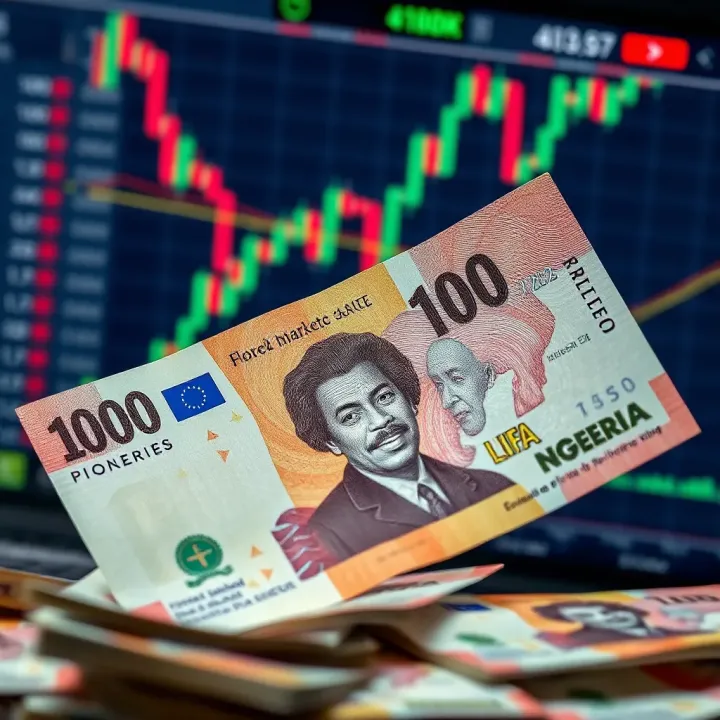
Forex markets are highly sensitive; even well-informed traders can struggle with sudden deviations when multiple factors collide.
In Nigeria, the challenge intensifies due to forex market interventions by the CBN, irregular USD supply, and the parallel market’s influence. These factors can widen the gap between official and black-market exchange rates, leading to persistent deviation that traders must monitor closely. For example, while the official naira-dollar rate may hold steady, the parallel market rate can deviate considerably, impacting importers relying on cheaper dollars and exporters expecting higher returns.
Traders and financial institutions use various tools to manage these deviations. One common approach is setting stop-loss orders to limit potential losses if the market moves unfavourably. Others engage in hedging strategies using futures contracts or forward agreements to lock in exchange rates ahead of time. In Nigeria’s context, some firms rely on trusted forex bureaux and fintech platforms like OPay and Paystack to access more stable forex rates for transactions.
Key causes of deviation in forex markets include:
Economic indicators (inflation, GDP growth, interest rates)
Central bank policies and interventions
Political uncertainty and elections
Supply-demand imbalances in foreign currencies
External shocks such as commodity price fluctuations
For traders and analysts, recognising these factors early can provide an edge in predicting potential shifts. It also stresses the importance of keeping an eye on both local developments—like naira liquidity trends—and international economic signals, such as US Federal Reserve decisions, which often ripple through Nigerian forex markets.
By appreciating these roots of deviation, traders in Nigeria and beyond can better navigate forex swings, reduce risk, and make informed decisions that protect their investments.
Understanding deviation in forex markets is key for anyone involved in currency trading or investment, especially within Nigeria’s unique economic setting. Deviation represents how much actual exchange rates differ from what traders or analysts expect based on models or market forecasts. Having a clear grasp of this concept helps you anticipate risks and spot opportunities amid currency fluctuations. For instance, if the Nigerian naira is expected to hold steady against the US dollar but suddenly weakens sharply, recognising this deviation promptly lets traders adjust positions to avoid losses.
Deviation occurs when the actual exchange rate of a currency pair strays noticeably from the expected or predicted rate. Expectations might come from economic models, historical trends, or anticipations shaped by news on trade, monetary policy, or geopolitical events. For example, a trader may expect the naira to trade at ₦460 to the dollar, but if the real rate jumps to ₦480, that 20-naira gap is the deviation. Such differences matter because they reveal market surprises or shocks, which can impact trading costs, profits, and hedging strategies.
This difference can be due to sudden events — say, an unexpected Central Bank of Nigeria (CBN) intervention or a shift in foreign investment flows — which change supply and demand dynamics. For Nigerian importers who budget in dollars, even a small deviation can raise costs dramatically. Recognising these gaps early supports smarter decision-making.
There are typical forms of deviation traders watch closely. One is spread deviation, where the bid-ask spread widens suddenly, indicating uncertainty or low liquidity. For example, during ember months when market activity ramps up, spreads on the NGN/USD pair can broaden, signalling higher risk.
Another is price deviation, where the actual exchange rate moves away from averages or technical indicators like moving averages or Bollinger Bands. This type often flags possible trend reversals or breaks in usual patterns. Traders use these deviations to time entries or exits, especially on platforms like MTN Mobile Money or Kuda, where real-time forex feeds help capture these shifts quickly.
Traders and analysts employ several tools to measure how far actual exchange rates stray from expected values. Standard deviation is common — it shows the average variation from the mean rate over a period. For example, if naira-dollar rates vary widely within a week, the standard deviation will be high, flagging volatility.
Other indicators include variance, mean absolute deviation, and moving averages. These help smooth out noise and identify persistent shifts. In Nigeria, combining these with local data—such as import volumes or CBN policy announcements—improves prediction accuracy. Software like MetaTrader and Nigerian fintech apps integrate these tools, allowing users to monitor deviations live.
Keeping an eye on deviation protects traders from unexpected losses and improves timing. A sudden increase in deviation often means the market feels uncertain or reacts to new information, prompting price swings. For example, during fuel subsidy debates, naira rates can deviate sharply within hours, exposing traders to risks.
Investors also benefit by adjusting portfolios based on deviation insights—diversifying away from volatile currencies or increasing hedging instruments like forward contracts. Nigerian firms dealing with international suppliers rely heavily on such data to manage foreign exchange risks. In essence, tracking deviation aids in making informed decisions, reducing guesswork, and navigating the often choppy waters of forex trading.
Recognising and measuring deviations in forex rates is not just academic—it directly influences how well traders survive and profit in Nigeria’s volatile currency market.
Understanding what causes currency rate deviations is central to navigating forex markets effectively. In Nigeria, several factors interplay, shaping the naira's value and impacting traders, investors, and the economy. This section breaks down the key drivers: economic indicators and market sentiment, central bank policies, and supply-demand imbalances.
Interest rates, inflation, and GDP figures are the bedrock economic indicators influencing forex fluctuations. When the Central Bank of Nigeria (CBN) adjusts interest rates, it directly affects investor appetite for the naira. For example, a hike in the monetary policy rate tends to attract foreign capital looking for better yields, strengthening the naira. Conversely, high inflation reduces the currency’s purchasing power, discouraging investment and causing depreciation. Nigeria’s GDP growth rate also matters; strong economic performance signals stability, boosting investor confidence and stabilising exchange rates.
On top of fundamental numbers, geopolitical events and market psychology can swiftly shift forex rates. Political uncertainties, such as upcoming elections or policy changes, can create jitters among traders, triggering increased volatility. Recently, tensions around government fuel subsidy decisions led to sharp naira price movements in parallel markets. Traders’ collective mood—whether optimistic or fearful—often drives short-term deviation beyond what economic data suggests. Thus, tracking news and market sentiments is just as vital as monitoring economic reports.
The CBN plays a pivotal role in steering forex rates through direct and indirect interventions. It manages foreign currency supply, sometimes implementing multiple exchange rates to control demand pressures. For instance, the official and SMEs’ forex rates differ, affecting how businesses and individuals access dollars. These policies aim to curb excessive volatility but can also widen gaps between official and parallel rates, creating arbitrage opportunities.
Monetary policy adjustments by the CBN often cause visible deviations in exchange rates. When the CBN tightens liquidity by raising interest rates or restricting dollar sales, forex availability tightens, pushing the naira lower against the dollar. Conversely, easing policies can reduce deviation temporarily by increasing forex supply. Traders and investors thus watch CBN statements closely; sudden policy shifts often trigger rapid currency realignments.
Nigeria’s forex market often faces liquidity constraints that intensify rate deviations. The country’s heavy reliance on oil exports means forex inflows fluctuate with crude prices. When oil revenues drop, dollar scarcity hits businesses needing imports or servicing foreign debts. This shortage pushes the naira downward, especially in the black market where demand outstrips supply.
Import and export activities plus foreign investments further tilt supply and demand balances. Nigeria imports many goods — ranging from foodstuffs to machinery — requiring consistent dollar purchases. Any surge in imports without matching forex inflows worsens pressure on the naira. On the other hand, increased foreign direct investment or diaspora remittances can boost dollar availability, helping to stabilise rates. Therefore, changes in trade volumes and capital movements remain critical factors influencing currency deviations.
Understanding these forces equips traders and investors with clearer insights for better forex decisions, especially amid Nigeria’s volatile currency environment.
Understanding how forex deviation affects both traders and the wider Nigerian economy is key to grasping the full impact of currency fluctuations. Sudden shifts in exchange rates can expose retail and institutional traders to significant risk, while also influencing inflation, living costs, and business operations across the country.
Forex deviation often results from unexpected economic events or policy shifts, catching traders off-guard. For retail traders relying on short-term positions, a swift naira depreciation against the dollar can wipe out profits or deepen losses within hours. Institutional traders face similar risks but on a larger scale; for example, investment firms managing portfolios with foreign assets must adjust quickly to avoid portfolio damage.
Moreover, these rapid changes increase volatility, complicating price predictions and forcing traders to revise their strategies regularly. In Nigeria, where parallel market rates can differ sharply from the official rate, traders exposed to both markets may face accentuated risks.
To cushion against these risks, traders increasingly use hedging tools such as forward contracts and options, locking in exchange rates to stabilise costs. Diversifying investments across different currencies or asset types also reduces vulnerability to a single currency's volatility.
Besides financial instruments, Nigerian traders leverage fintech platforms offering real-time market data and automated alerts. These tools help react promptly to shifts, allowing timely adjustments that protect capital. Combining traditional hedging with digital solutions enhances traders’ agility in a volatile forex market.
Forex deviations directly impact inflation, mainly through imported goods and services. The naira weakening by even 5% can raise the cost of imported food items and fuel, pushing up prices at the mama put or supermarket. As transport fuel grows expensive, transport fares rise, increasingly affecting household budgets.
Inflation driven by currency swings often ends up hitting low-income households hardest, making everyday essentials like rice, sugar, and cooking oil less affordable. This worsens poverty levels and curtails consumer spending, slowing economic growth.
Many Nigerian businesses rely on forex for importing raw materials or servicing foreign debt. Forex deviations increase their operational costs unpredictably, forcing some manufacturers to raise prices or cut back production. For instance, a textile factory importing tokunbo machinery parts may face delays or extra charges, disrupting schedules and cash flow.
Exporters also feel the pressure. While a weaker naira can make Nigerian goods cheaper abroad, instability discourages foreign partners wary of payments in fluctuating currencies. Firms like agro-processors or oil exporters must therefore balance currency risks carefully to sustain operations.
Forex deviation does not just impact currency traders; it ripples across the economy, affecting everyday Nigerians and the efficiency of businesses central to national development.
By understanding these effects, traders and policymakers can better anticipate market behaviour and design strategies that reduce negative fallout from currency swings.
Managing deviation in Nigeria’s forex market requires a mix of regulatory oversight, smart trading strategies, and better technology. These steps directly address the causes of currency fluctuations and offer traders and businesses ways to reduce risks. Understanding these approaches helps stakeholders navigate Nigeria's complex forex environment, which is marked by naira volatility and dual exchange rates.
The Central Bank of Nigeria (CBN) adopts a multiple exchange rate system to manage forex deviations effectively. By applying different rates for various transaction types—such as the official rate for government transactions and a separate rate for the export sector—the CBN aims to shield critical sectors from sharp naira swings. While this approach tries to balance demand and supply, it also creates space for arbitrage and challenges in enforcement.
Besides multiple rates, the CBN actively intervenes in the market using tools like direct forex sales, repurchase agreements (repos), and import restrictions. These interventions help stabilise the naira by supplying forex to critical importers or curbing excess demand. For example, during peak import periods, the CBN might restrict access to forex for non-essential goods, thus controlling demand and limiting deviation between the official and parallel exchange rates.
Traders in Nigeria manage forex deviation risks through hedging using derivatives and forward contracts. Forward contracts lock in exchange rates for future transactions, protecting businesses that depend on imports from sudden naira depreciation. For instance, an importer of electronics might agree on a ₦450/$1 rate today for payment next month, avoiding losses if the naira weakens later.
Besides hedging, diversification is a key strategy. Traders increasingly use fintech platforms such as Paystack, Flutterwave, and OPay to access multiple forex sources and reduce reliance on any single channel. This spread limits exposure when rates fluctuate sharply in one market segment. These fintech tools also provide faster settlement, improving cash flow management.
Real-time forex data platforms are now vital for understanding ongoing market shifts. Services offering updated naira-dollar rates across official, interbank, and parallel markets empower traders to make quicker decisions. For example, some fintech apps track exchange rate trends and alert users to sharp deviations, allowing prompt action.
Moreover, digital tools improve market efficiency by enhancing transparency and accessibility. Platforms that aggregate data from various sources reduce information asymmetry, cutting down unfair advantages in forex dealings. This transparency helps shrink the gap between official and parallel rates by encouraging more participation in regulated channels.
Effective management of forex deviation in Nigeria depends not only on strong policies but also on how well traders adopt risk hedging and technology to protect their investments against sudden rate shocks.
Nigeria faces distinctive challenges in managing forex deviations due to its economic structure and policy environment. Understanding these hurdles is vital for traders, investors, and analysts who operate in its forex market. These challenges affect not just exchange rate stability but also the broader business landscape and investor confidence.
Parallel market’s impact on official rates
The parallel or black market for the naira significantly influences official forex rates. Due to foreign currency shortages and regulatory constraints, many individuals and businesses turn to the parallel market, where rates often diverge sharply from official prices. For example, when the Central Bank of Nigeria (CBN) sets an official rate at ₦410 to $1, the parallel market might quote ₦600 or more. This disparity undermines the credibility of official rates and complicates price discovery.
Such divergence means traders and companies face uncertainty, raising costs for imported goods and creating opportunities for arbitrage. Forex deviations driven by the parallel market often spiral, especially during periods of economic stress or political uncertainty, affecting inflation and living costs.
Coping with dual exchange rate systems
Nigeria operates a dual exchange rate regime: one official rate used by the government and regulated banks, and another rate driven by market forces in the parallel market. This system creates challenges for businesses in planning and budgeting as they navigate which rate to use for transactions.
For instance, exporters may receive payment at the official rate but then face higher costs when converting to local currency, squeezing profit margins. Meanwhile, importers relying on parallel rates pay more, driving up prices for consumers. Traders must carefully monitor both rates and time their forex transactions to reduce losses from unfavourable deviation. This duality demands astute market monitoring and flexibility.
Power supply and operational costs affecting forex businesses
Unstable power supply is a persistent challenge in Nigeria, adding to operational costs for forex bureaus and trading platforms. Many operators rely heavily on generators, pushing overheads upwards. For example, running a forex bureau in Lagos may require spending tens of thousands of naira monthly on diesel alone.
These added costs frequently get passed to customers through wider bid-ask spreads and service charges, increasing the cost of forex trading. Power irregularities also cause downtime for online trading platforms, creating opportunities for arbitrage and increasing deviation risks during market hours.
Regulatory unpredictability and investor confidence
Frequent shifts in forex policies, such as sudden trade restrictions or new licensing requirements, undermine the confidence of traders and investors. For instance, unexpected adjustments in offshore capital controls or restrictions on forex access disrupt trading strategies and create volatility.
This unpredictability hampers long-term planning and deters foreign direct investment. Traders often operate with caution, sometimes holding back liquidity due to unclear regulatory frameworks. Hence, a stable and transparent policy environment remains critical to reducing forex deviation and encouraging healthy market activity.
Managing these unique challenges calls for close attention to local market dynamics and proactive strategy adjustments by all forex stakeholders in Nigeria.
📉 Understand volatility in financial markets: learn what affects it, how it impacts investors and traders, risk management, and smart strategies in changing times.
📊 Discover the forex market hours for Nigerian traders 🇳🇬. Learn how global sessions and Nigeria's time zone impact trading times and strategies.
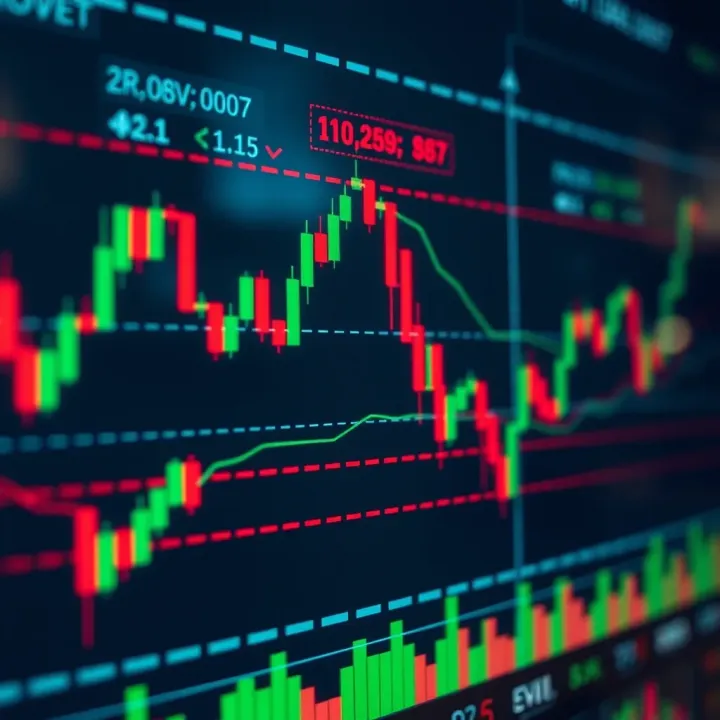
Learn how deviation impacts forex trading ⚖️, affects trade execution, and discover strategies to manage it effectively in Nigeria's forex market 🌍📉.
Explore how the XAU/USD price moves, key factors shaping gold's value vs USD, market trends, global influences, and useful trading tips for investors 📈💰
Based on 10 reviews