
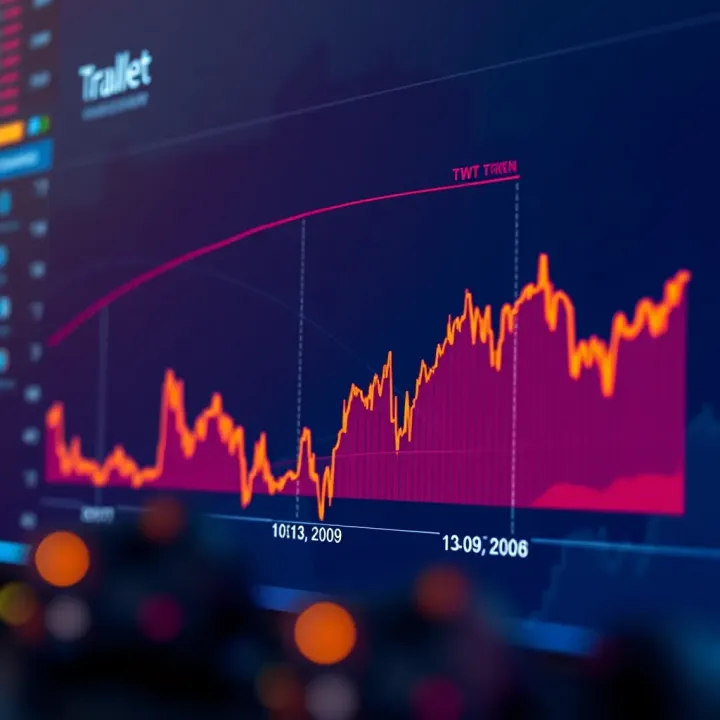
TWT Price Prediction: Trust Wallet Token Insights for Nigerian Investors
🔍 Explore Trust Wallet Token (TWT) price trends, expert insights, and detailed analysis to guide Nigerian investors on potential future moves in the crypto market.
Edited By
Liam Harper
Funding your Trust Wallet is the first step to joining the world of cryptocurrency trading and investment. For Nigerian users, this process might seem tricky because of the fluctuating naira exchange rates and occasional restrictions on direct crypto transactions from local banks. However, with the right approach and knowledge of local options, you can easily fund your wallet without stress.
Trust Wallet is a mobile app that allows you to store a variety of cryptocurrencies securely. It supports many tokens on networks like Binance Smart Chain, Ethereum, and others. To start using it, you need to add funds through trusted methods that work well within Nigeria’s unique financial ecosystem.
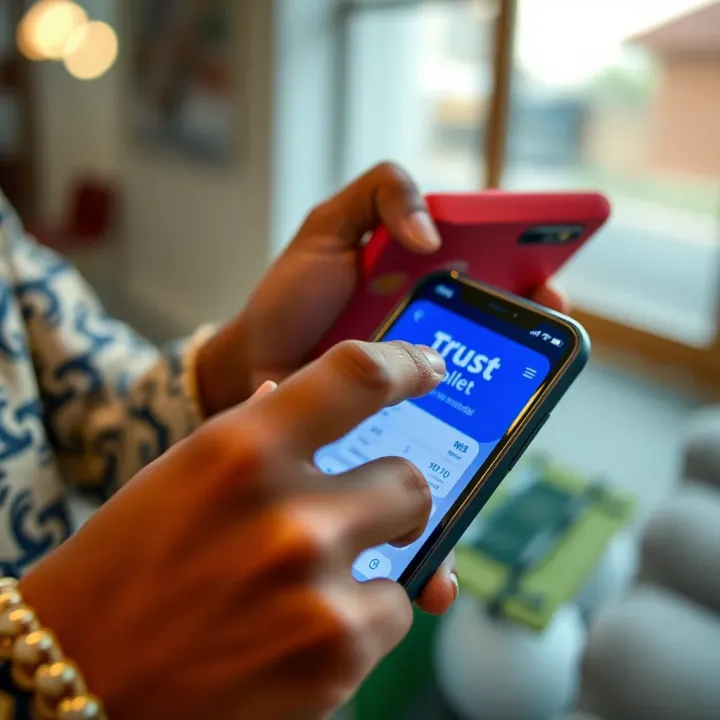
There are several ways Nigerians typically add funds to Trust Wallet:
Buy crypto on local exchanges: Platforms such as Binance, Binance P2P, Binance Nigeria, and platforms like Quidax, BuyCoins, and Bundle allow you to swap naira directly for cryptocurrencies. They accept payments through Nigerian bank transfers, USSD, or mobile wallets.
Peer-to-peer transactions: Using P2P trading on Binance or Remitano, you can buy crypto directly from individuals. This method offers better rates but needs caution — always check seller ratings and confirm payments before releasing funds.
Using third-party payment gateways: Services like Paystack and Flutterwave now facilitate crypto purchases through their merchant payment infrastructure, making some Nigerian merchants accept crypto payments easily.
Transfer crypto from another wallet or exchange: If you have crypto on other platforms, you can send tokens directly to your Trust Wallet address.
Always double-check your wallet address when transferring funds and use official apps to avoid scams.
Given Nigeria’s unique challenges, funding your Trust Wallet may require patience, but prepared correctly, it offers access to bitcoin, ethereum, and many other tokens that can be exchanged or invested in.
Next, we will explore practical steps to fund your wallet safely from Nigerian banks and fintech platforms, including setting up accounts on local exchanges and avoiding common pitfalls.
Grasping what Trust Wallet is and how to fund it is the foundation for anyone serious about handling cryptocurrencies in Nigeria. This wallet is more than just a place to stash your digital coins; it offers control, privacy, and compatibility with many blockchain assets. For Nigerian users, knowing its features and funding routes can save time, reduce costs, and avoid common pitfalls in crypto transactions.
Trust Wallet is a mobile cryptocurrency wallet that stores private keys on your device, giving you full control over your funds without intermediaries. Unlike keeping crypto on exchanges, this wallet reduces risk of hacks or freezes often reported in some Nigerian exchange platforms. For example, a trader in Lagos can safely manage diverse tokens and interact directly with decentralised apps (dApps) using Trust Wallet’s interface. Its user-friendly nature makes it accessible even for students or fresh investors venturing into digital assets.
Trust Wallet supports a wide range of cryptocurrencies including Ethereum (ETH), Binance Coin (BNB), Bitcoin (BTC), and many tokens built on these and other blockchains. This versatility means Nigerians can hold different assets in one place, be it popular coins or less-known altcoins that pop up on African exchanges. Noteworthy features include the ability to connect to dApps, stake tokens for passive income, and swap tokens directly within the app. These functions allow users to maximise their crypto experience without hopping between multiple platforms.
Funding Trust Wallet begins by acquiring cryptocurrency. In Nigeria, this typically happens through local exchanges like BuyCoins or Quidax where you buy crypto using naira bank transfers. After purchase, the crypto is sent to your Trust Wallet address. Another option is peer-to-peer (P2P) platforms, which match buyers with sellers and often offer better rates. Additionally, Trust Wallet offers an in-app purchase feature, though current limitations exist for Nigerian payment options. Getting familiar with these methods helps you decide the quickest and safest way to move funds into your wallet.
Having a clear understanding of Trust Wallet’s capabilities and funding choices empowers Nigerian users to navigate the crypto space confidently and avoid unnecessary delays or losses.
Identifying these basics first means you can plan how to fund and use your wallet effectively—whether for trading, saving, or interacting with blockchain projects across Africa and beyond.
Buying cryptocurrency is the most straightforward way to add funds to your Trust Wallet here in Nigeria. Given the growing appetite for digital assets, tapping into local options makes the process faster, cheaper, and less stressful. With direct access to the Naira market and Nigerian payment options, you avoid the long wait times and high fees often associated with international exchanges.
Exchanges convert your Naira directly into cryptocurrencies like Bitcoin or Ethereum, which you can then transfer to Trust Wallet. The typical process begins with registering on a trusted local platform, completing verification steps (where required), and funding your account using Nigerian payment methods. Once your Naira is in the system, you can swiftly buy the crypto of your choice at prevailing rates.
BuyCoins and Quidax are leading examples of Nigerian crypto exchanges where many users start their journey. These platforms offer intuitive interfaces and accept payments via bank transfer or popular mobile money services. Besides fiat-to-crypto conversion, they provide wallets and easy withdrawals to Trust Wallet or other destinations. Their local focus means they cater to Nigerian banking realities, reducing hiccups compared to foreign platforms.
Always confirm the legitimacy of the exchange or peer-to-peer (P2P) seller. Check that they follow Know Your Customer (KYC) regulations and use secured payment methods. Scams have become common, with fake sellers and phishing attempts lingering around crypto trading. For P2P, stick to platforms with strong user ratings and dispute resolution mechanisms. Avoid sellers who pressure for quick payment or refuse to verify identities.
Bank transfers remain a popular way to fund crypto accounts. Many Nigerian exchanges accept direct deposits from major banks like GTBank, Zenith, and Access Bank. When using this method, remember to double-check account details before sending funds to avoid losing money to errors or scams. Most platforms confirm deposits within minutes to hours depending on banking hours and network congestion.
USSD-based services allow users without smartphones or internet access to buy crypto using code sequences. For instance, some platforms partner with telecom operators to enable quick balance checks and crypto purchases via USSD menus. This option broadens access to Trust Wallet funding because it bypasses the need for apps or high data consumption, making it convenient especially in rural areas or during network dips.
Mobile money wallets like Paga and OPay offer seamless funding alternatives. You can load your exchange account using these wallets, and then swap your funds for cryptocurrencies. Many Nigerians prefer these mobile wallets because they offer speedy transactions, lower fees, and a wider agent network compared to traditional banks. Plus, the funds reflect quickly, letting you buy crypto without delay.
Using the local payment landscape wisely can save you time and reduce costs when funding your Trust Wallet. Always confirm transaction details and choose platforms that align properly with your preferred payment channel.
In summary, Nigerian users have multiple practical routes to fund their Trust Wallet through well-established exchanges, peer-to-peer arrangements, and various digital payment channels. Knowing your options and safeguards will ease your crypto journey and help you avoid common pitfalls.
Transferring funds into your Trust Wallet is a practical way to have direct control over your cryptocurrency holdings. This step is vital for anyone who buys crypto from exchanges or other wallets because it means you keep your assets safe in a private wallet, not tied to a third party. For Nigerian users, where trust in exchanges can vary and challenges with naira liquidity sometimes arise, moving funds to your Trust Wallet ensures faster access and better control when making payments or trading.
Before you can receive cryptocurrency, you need your wallet’s unique receiving address. Within Trust Wallet, each supported crypto asset has its own address, so first, select the correct coin or token you want to fund. For instance, if you plan to receive Bitcoin (BTC), tap on BTC in the app to find the address. This address is a string of letters and numbers—copy it exactly to avoid losing funds. Sending to the right address is crucial because blockchain transfers are irreversible.
Once you have your Trust Wallet address, you head over to the platform where your crypto currently resides. This might be on a Nigerian exchange platform like Quidax or an international one like Binance. When you initiate the withdrawal, paste your Trust Wallet address carefully. Always double-check the address twice. For example, if you’re sending Ethereum (ETH), make sure you choose ETH and not BSC tokens, as the networks differ.
Also, pay attention to the minimum withdrawal amounts and network fees. If you eventually send from another wallet, such as Coinbase or a friends’ wallet, the steps are similar—copy the address, enter the amount to send, and confirm the transaction.
After initiating the transfer, confirmation depends on blockchain network speed. For Nigerian users dealing with Ethereum or Binance Smart Chain, this usually takes between a few seconds to several minutes. To confirm, open your Trust Wallet and check the balance on the specific coin’s page. You should see the new amount reflected.
Alternatively, you can paste your Trust Wallet address into a blockchain explorer (like Etherscan for Ethereum) to track transaction status. This helps ensure the funds didn’t get stuck. As a practical tip, always do a small test transfer first if you are sending a large amount, just to be sure every step works smoothly.
Trust Wallet offers an in-app feature that allows you to buy cryptocurrency directly using fiat currency, simplifying the funding process. Instead of buying crypto on external exchanges, you can select the 'Buy' option inside the app, choose your preferred cryptocurrency, and proceed. The wallet connects with third-party providers who handle the payment and instantly send crypto to your wallet.
In Nigeria, this direct purchase method generally accepts bank cards (Visa and MasterCard), and sometimes mobile money platforms, depending on the provider integrated. However, not every provider supports Nigerian debit cards or the naira currency fully, which can cause failed transactions or higher exchange fees. Also, due to regulatory and banking restrictions, users may face limits on transaction size and occasional delays.
Using the direct purchase in Trust Wallet usually involves higher fees than buying on local exchanges, thanks to third-party processing charges and foreign exchange spreads. Expect fees around 3–5% per transaction. The upside is convenience and speed; processing times tend to be fast, often within minutes.
To avoid surprises, read the fee disclosure carefully before confirming any purchase. Given Nigeria’s naira volatility, sometimes spending a bit more on fees can be the cost of getting crypto quickly without hassles.
Always ensure you understand network fees, wallet addresses, and payment method restrictions to prevent loss of funds or delays when funding your Trust Wallet from Nigeria.
Security should be the first thing on your mind when funding your Trust Wallet. Nigerian users face specific risks like scams, phishing, and fraud because of the growing interest in cryptocurrencies. Taking solid security measures helps protect your funds and peace of mind. This section highlights practical steps to avoid common traps and secure your wallet effectively.
Fake sellers and phishing attempts are rampant, especially on peer-to-peer (P2P) platforms where identity verification might be less strict. Scammers may pose as legitimate traders offering attractive rates but actually aim to steal your crypto or personal data. For example, a seller might send a fake payment confirmation screenshot to convince you to release funds first. To avoid falling for this, always verify payment proofs personally on your bank app or trusted payment platform before proceeding.
Confirming identities on P2P platforms is also essential. Many Nigerian platforms like BuyCoins and Quidax offer built-in identity checks—use these verification tools to confirm the authenticity of buyers or sellers. Check if they have a high reputation score and multiple verified transactions. Communicate within the platform's chat features rather than moving to WhatsApp or others, which scammers often use to exploit users. Taking these steps reduces the chance of dealing with fraudsters and ensures safer trades.
Your Trust Wallet recovery phrase is the master key to accessing your funds. Backing it up securely is non-negotiable. Write it down on paper and keep it somewhere safe—do not store it digitally or share it with anyone. Without this backup, losing your phone or uninstalling the app means losing access to your crypto forever. Nigerians have lost thousands of naira by carelessly exposing their recovery phrases online or via screenshots.
Using two-factor authentication (2FA) and app locks adds extra layers of security. While Trust Wallet itself doesn’t support 2FA, securing your device with biometrics or PIN codes helps prevent unauthorised access. Nigerian users often protect their phones with fingerprint locks or Face ID, making it difficult for thieves to open crypto apps even if the device is stolen. App locks can also prevent accidental or malicious transfers.
Handling wallet updates and app permissions carefully matters. Always update Trust Wallet from official app stores to avoid fake versions loaded with malware. Review app permissions and restrict access where possible, especially to contacts or location. Some malware targets cryptocurrency wallets by exploiting excessive permissions, so keeping control over your phone’s security settings is wise.
Guarding your Trust Wallet with these security practices is vital. It helps avoid costly mistakes and builds confidence as you use cryptocurrency in Nigeria’s challenging environment.
With these measures, Nigerians can fund their Trust Wallet without falling victim to common scams or security lapses. Stay cautious, verify carefully, and secure your keys to keep your crypto safe and sound.
Funding your Trust Wallet efficiently requires more than just the right steps; it demands knowing the tricks of the trade, especially tailored for Nigeria's unique financial environment. This section guides you on managing currency shifts, navigating fees, and selecting dependable platforms. Such insights protect your investment and ensure you get the most value for your Naira.
Naira's frequent swings against major currencies can affect the value of cryptocurrency purchases. For instance, if you buy Bitcoin today when ₦1 equals slightly less dollars, but the exchange rate worsens tomorrow, the Naira value of your holding might drop even if Bitcoin’s global price stays constant. Buyers should consider timing purchases around periods of relative naira stability or use platforms offering real-time rate locking to avoid unexpected losses.
Many Nigerian crypto users also opt to keep an eye on the parallel market rates, as these sometimes reflect more realistic exchange rates than official channels. This helps avoid paying too much ni the initial conversion from ₦ to crypto. Using Naira-backed stablecoins can also help reduce exposure to naira fluctuations during transactions.
Gas fees—the charges for executing transactions on a blockchain—vary widely by network and time. Ethereum tends to have higher gas fees, which can eat a significant chunk of small crypto transfers. Network congestion during peak hours can push these costs even higher, meaning you might pay ₦2,000 or more just to send ₦20,000 worth of tokens.
To save on fees, Nigerian users can select crypto networks with lower transaction costs like Binance Smart Chain or Polygon when funding Trust Wallet. Timing transactions during off-peak hours or batching transfers can also keep expenses manageable. Always double-check fees before confirming any transfer to avoid surprises.
Not all crypto exchanges or P2P platforms bear the same level of trust. Before funding your Trust Wallet, look for user ratings, complaints about withdrawal delays, or security incidents. Platforms like BuyCoins and Quidax have built names for reliability in Nigeria because they respond swiftly to issues and maintain transparent practices.
Reading reports from Nigerian crypto communities on social media or forums often reveals candid user experiences, highlighting platforms with smooth transaction processes or those prone to scams. Avoid platforms with inconsistent KYC processes or limited user support.
A platform’s ability to provide fast and clear customer support directly impacts your funding experience. Nigerian users should prefer exchanges with dedicated local teams reachable by phone, WhatsApp, or live chat. Reliable support is particularly essential when dealing with urgent matters like payment verification or transaction glitches.
For example, during ember months when transaction volumes spike, quick resolution of issues prevents losses from delayed transfers. Platforms without local support might respond too slowly, causing frustration and possible missed trading opportunities. Always validate if the platform offers prompt and accessible customer care as part of your selection criteria.
Remember: Funding your Trust Wallet is only as safe and efficient as the platforms and strategies you rely on. By managing naira volatility smartly, watching fees closely, and choosing trustworthy providers, you keep your crypto journey steady and profitable.
Note: This section aims to help Nigerian crypto users approach wallet funding practically, balancing local challenges with opportunities in today’s crypto marketplace.
🔍 Explore Trust Wallet Token (TWT) price trends, expert insights, and detailed analysis to guide Nigerian investors on potential future moves in the crypto market.
Looking for the best Forex broker in Nigeria? Learn how to pick a reliable broker with the right fees, platforms, and support for beginner traders 🇳🇬💹
Discover how to pick the best trading app for Nigerian investors 🇳🇬. Compare features, fees, and security to trade confidently and grow your investments 📈.
Discover practical steps for crypto trading in Nigeria 🇳🇬, key strategies, risks, and legal tips to trade safely on platforms like Binance, Luno, and more 💰📈
Based on 10 reviews