
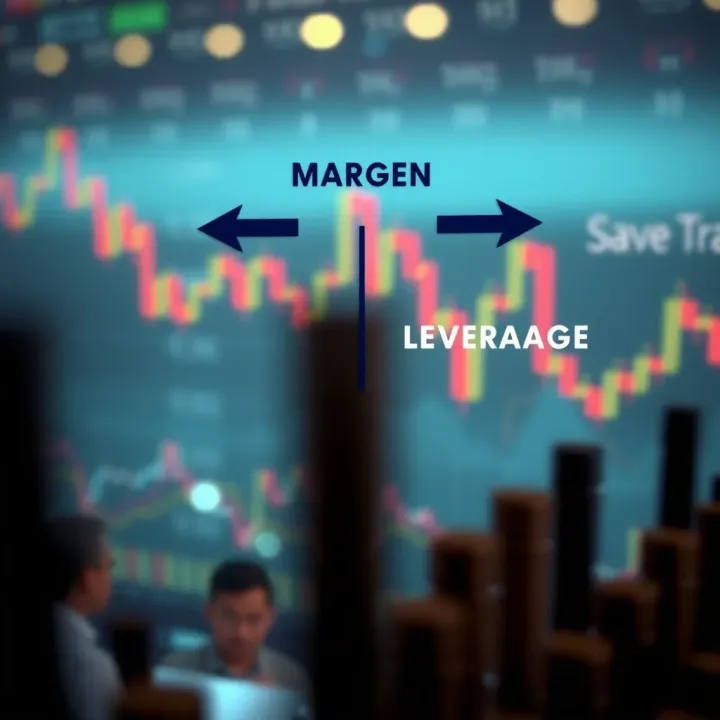
Margin in Forex Trading: A Simple Guide for Nigerian Traders
📈 Learn how margin works in forex trading, its link to leverage, risks, and tips to manage it well for safer trading in Nigeria's markets.
Edited By
Oliver Carter
Forex trading has caught the attention of many Nigerians looking to earn from the daily ups and downs in currency prices. The market offers a chance to trade currencies like the US dollar, euro, or British pound against the naira. But to succeed, you need more than just luck; understanding how forex works and accessing reliable study materials is key.
With thousands of forex books available online, picking trustworthy guides can be tricky. Many so-called “expert” books flood the internet, but not all deliver practical knowledge, especially in the Nigerian context where naira exchange rate volatility, regulatory changes by the Central Bank of Nigeria (CBN), and local market conditions matter.
This article breaks down forex trading into simple, understandable parts and points you towards quality PDF books that you can trust. We'll cover how the forex market operates, the main risks involved, and practical tips for trading without falling into common traps.
Forex trading means buying one currency while selling another simultaneously. Traders aim to profit from changes in exchange rates. For example, if you believe the dollar will strengthen against the naira, you buy USD/NGN currency pair and sell it when rates rise.
Operates 24 hours, five days a week, allowing you to trade around your schedule.
Highly liquid, which means you can enter or exit trades quickly.
Leverage is common, letting you trade larger amounts with little capital, but it also increases risk.
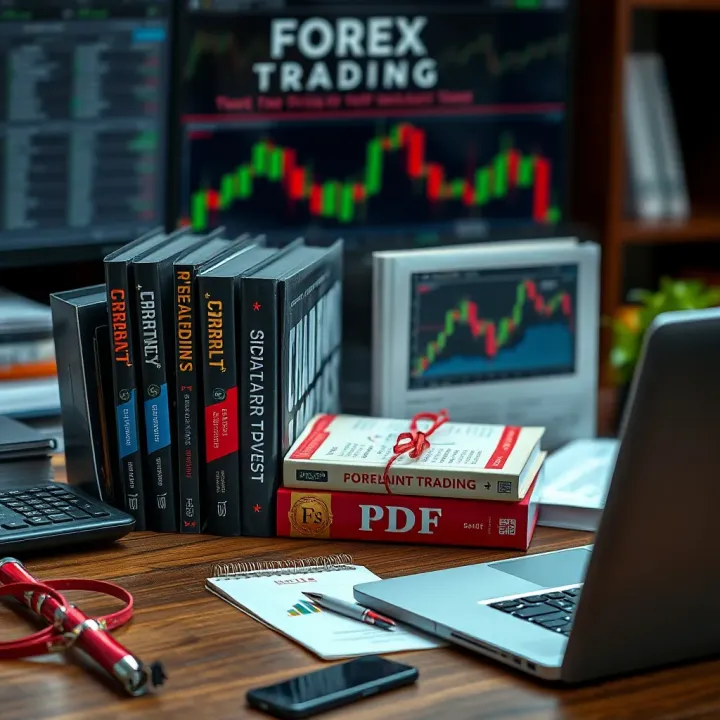
Using credible PDF books saves you from misinformation and scams. Good books provide tested strategies, risk management advice, and explain market indicators clearly. Some Nigerian traders have found valuable guidance in materials from recognised authors or forex educators who understand local realities.
Tip: Look out for forex books that include examples with real currency pairs involving the naira or discuss the impact of local monetary policy for more relevant insights.
In the next sections, you will find practical approaches to start trading, manage risks, and a curated list of reliable PDF resources. This focused knowledge is meant to help you trade smart and avoid costly errors common in forex trading in Nigeria.
Understanding forex trading is key for anyone serious about tapping into the global currency market. For Nigerians, knowing how forex works can open doors to income opportunities beyond traditional investments like stocks or real estate. It offers a way to profit from fluctuations in currency values, especially against the backdrop of naira volatility.
Forex trading, simply put, involves buying and selling currencies to make profits from changes in exchange rates. Traders speculate whether a currency will strengthen or weaken compared to another, aiming to buy low and sell high. This market is the largest financial market worldwide, with around US$6 trillion traded daily.
Globally, the forex market never sleeps. Major financial centres in London, New York, Tokyo, and Sydney connect in shifts, allowing continuous trading across time zones. This 24-hour cycle creates many trading opportunities, including during Nigerian business hours. However, it also means traders must stay alert to international news and events that can move currency prices quickly.
Nigeria’s role in forex trading is gradually growing thanks to increasing internet penetration and fintech solutions. While not a dominant player globally, many Nigerians participate as individual traders or through local brokers. The Central Bank of Nigeria (CBN) regulates forex trading, requiring compliance to avoid scams and ensure transparency.
Many Nigerians turn to forex to diversifiy their income sources beyond the usual salary or business profits. Forex trading provides potential for quick gains because currency pairs can move sharply within minutes or hours. For instance, during times of naira depreciation against the dollar or euro, smart traders might capitalise on those shifts. Despite risks, some view forex as a viable way to build wealth if approached with discipline and proper knowledge.
The rise of mobile platforms and fintech apps, such as OPay, Flutterwave, and various brokers with mobile-friendly interfaces, has lowered entry barriers. Nigerians can now trade forex easily from a smartphone, without needing large capital or complex setups. This accessibility is crucial given challenges like unreliable power supply or limited physical access to financial centres outside Lagos and Abuja.
That said, local currency challenges remain a major consideration. Naira fluctuations, strict foreign exchange controls, and limited investment options in Nigeria push many investors towards forex. At the same time, this environment requires heightened caution to avoid scams and losses. Reliable forex education and adherence to CBN guidelines help traders navigate these hurdles more safely.
For Nigerians, understanding forex trading isn't just about profit—it's also a strategy to manage financial risks and access global markets despite local economic challenges.
Understanding key forex trading strategies is fundamental for anyone aiming to succeed in the market. Popular forex books often distil complex trading methods into practical techniques that traders can apply directly. These strategies are crucial for managing risks, identifying profitable trades, and adapting to market changes, especially in a dynamic setting like Nigeria where currency volatility is common.
Economic indicators such as inflation rates, interest rates set by central banks, GDP growth, and employment figures provide insight into the health of a country’s economy. For example, when Nigeria’s inflation rate spikes, the naira often weakens, affecting forex pairs involving the NGN. Monitoring these indicators helps traders predict currency movements and make informed decisions.
News releases — including political developments, trade agreements, or central bank announcements — can quickly shift currency values. For instance, an unexpected change in CBN’s monetary policy tends to cause swift reactions in the naira-dollar pair, which savvy traders can capitalize on. Forex books often advise staying alert to scheduled news and interpreting their potential impact.
Applying fundamental analysis in Nigeria means relating global economic data to local realities. For example, oil price fluctuations heavily influence Nigeria’s economy and, by extension, the naira. Understanding such links allows traders to anticipate movements better. Practical forex guides emphasise combining global indicators with Nigeria-specific factors like government policies or domestic inflation.
Charts are the backbone of forex trading. Candlestick patterns like doji, hammer, or engulfing show shifts in market psychology. For instance, spotting a hammer after a downtrend might indicate a bullish reversal. Popular forex books provide detailed examples illustrating how patterns help determine market direction.
Indicators such as Moving Averages, Relative Strength Index (RSI), and Fibonacci retracement assist traders in identifying trends and potential reversal points. For example, RSI alerts you if a currency is overbought or oversold, signalling a possible price correction. These tools make analysis more objective and actionable.
Knowing when to enter or exit is crucial. Combining chart patterns and indicators enables traders to pick optimal points. For example, entering a trade when price breaks above a resistance level confirmed by an RSI below 70 can increase success chances. Forex literature often stresses practising these techniques with demo accounts first.
Stop losses limit potential losses by automatically closing trades at predetermined prices. Similarly, take profit levels secure gains once a target is reached. For instance, if entering a USD/NGN buy trade at 460 and setting a stop loss at 455 and take profit at 470, you manage risk effectively. Books on forex highlight these tools as non-negotiable.
Leverage lets traders control larger amounts with a small capital. However, excessive leverage can wipe out investments quickly. Nigerian traders using platforms like Oanda or IG must understand the risks and prefer conservative leverage ratios, such as 10:1 rather than 100:1, to avoid heavy losses.
Forex markets can swing wildly, especially with naira instability. Keeping emotions like fear or greed in check helps traders stick to their strategy and avoid impulsive decisions. Forex books often recommend routines like journalling trades and setting clear rules to build discipline.
Proper understanding of these trading strategies from reliable forex books equips traders to navigate the Nigerian forex market smartly and confidently.
Finding trustworthy forex books in PDF form is essential for anyone looking to deepen their knowledge with clarity and confidence. With the vast volume of forex content online, not all materials are accurate or beneficial. Reliably sourced PDFs help traders to avoid misinformation that could easily lead to losses, especially when navigating volatile markets like Nigeria’s.
Official websites of forex educators and brokers provide the most dependable materials. These platforms usually offer ebooks and guides explicitly designed for traders, vetted by experts known in the trading community. For example, websites of brokers like FXTM or educators such as Babypips publish updated PDFs that reflect recent market conditions and strategies. Nigerians can access these resources safely, ensuring they get fresh, quality information without the risk of counterfeit documents.
Online libraries and Nigerian forex communities are another valuable resource. Digital libraries such as Google Books or Project Gutenberg host a selection of free or purchasable forex books in PDF, though sometimes not tailored to Nigeria’s uniqueness. Meanwhile, local forex groups on platforms like Telegram, WhatsApp, or Facebook often share credible PDFs based on firsthand experiences tied to the naira’s behaviour. However, traders should double-check these files to confirm authenticity and applicability.
Paid versus free resources present a trade-off that every trader should consider carefully. Free PDFs are attractive but not always up-to-date or thorough. Paid books, often from reliable authors, tend to offer deeper insight and recent analysis. Investing ₦2,000–₦5,000 in a high-quality forex PDF from a recognised source is generally more profitable than relying on outdated or pirated copies that might mislead beginners.
Author credibility and track record stand out as fundamental evaluation points. Books by renowned forex educators like Kathy Lien or authors with verified trading experience provide assurance of quality. If a Nigerian forex trader writes the book, check their reputation in local forums or trading groups to ensure practical relevance.
Recent publication dates for relevance matter due to constant forex market shifts. A book published within the past three years is preferable since it will cover recent technological tools and economic changes affecting currency pairs. Nigerian traders should especially look for content discussing current events — like FX policies from the Central Bank of Nigeria (CBN) — that shape the market.
User reviews and practical feedback offer insight into how well the theory translates into real trading success. Traders sharing their experiences on sites like Goodreads or within Nigerian trading communities help others avoid books with complex jargon or outdated methods. Positive feedback on a book’s practicality and clarity is a good sign.
Avoiding pirated or harmful files is not just ethical, it’s essential for device safety. Unofficial forex PDFs are often riddled with malware or inaccurate info. Nigerian traders should steer clear of downloading files from suspicious sites or unknown links to prevent data breaches or financial scams.
Ensuring compatibility and proper formats means checking whether PDFs open smoothly on your device — whether it’s a smartphone, laptop, or tablet. Some PDFs are poorly scanned or corrupted, which disrupts reading. Confirming a clean, searchable file can spare frustration when studying complex charts or strategies.
Supporting authors and ethical use helps sustain good forex education. Buying or downloading from authorised sources encourages experts to continue producing quality content. It also aligns with Nigerian laws on intellectual property, ensuring traders respect copyright and contribute to a fair market for educational materials.
Reliable forex books empower you to trade smarter and avoid costly mistakes. Take care when choosing where and how you access PDFs to protect both your learning journey and your devices.
By following these guidelines, Nigerian traders can confidently build their forex knowledge from credible, safe, and up-to-date PDFs, strengthening their edge in the dynamic currency markets.
Forex books can be powerful tools for Nigerian traders, but applying their lessons effectively requires adapting the knowledge to local market realities. Practical tips help bridge theory and practice, ensuring that strategies learned from books translate into success within Nigeria’s unique forex trading environment. By focusing on specific factors like naira volatility, local broker regulations, and transactional timing around national events, traders position themselves to make smarter decisions.
Naira volatility affects forex trades more sharply in Nigeria than in many other countries. The naira’s frequent fluctuations are linked to economic policies, oil price shocks, and foreign exchange scarcity. When the naira weakens against major currencies like the US dollar, traders may face unexpected losses or gains. Understanding this volatility is vital to setting realistic profit targets and stop-loss orders tailored for the Nigerian market.
Local brokers and regulations present unique challenges and opportunities. Nigerian forex traders must work through brokers licensed by the Securities and Exchange Commission (SEC) or regulated internationally. Choosing a reliable local broker helps ensure compliance and safer transactions, reducing the risk of scams common in informal channels. Since rules differ from other markets, traders should check broker terms thoroughly and stay updated on regulatory changes from the SEC and Central Bank of Nigeria (CBN).
Timing trades around Nigerian events can influence profitability. Economic announcements, election outcomes, or even Central Bank policy speeches affect currency prices unpredictably. For example, naira-dollar rates often react to CBN’s periodic interventions or fuel subsidy decisions. Being aware of the Nigerian economic calendar and major political events allows traders to avoid high-risk windows or seize opportunities when market volatility spikes.
Following Nigerian forex forums and webinars offers practical, locally relevant insights. These platforms provide real-time discussions on market trends, broker reviews, and warnings about prevalent scams. They also enable interaction with seasoned traders who share lessons from their experiences. This social learning complements book knowledge by keeping traders updated with current market mood and strategies adapted to Nigeria’s context.
Using demo accounts before risking real money helps translate theory into practice safely. Nigerian traders can open free demo accounts on platforms like MT4 or MT5 through local brokers such as FXTM Nigeria or international ones with Nigerian presence like IG Markets. Demo accounts allow experimentation with strategies learned from forex books — practising entries, exits, and risk controls — without risking hard-earned naira.
Continuous learning and strategy refinement keep Nigerian traders sharp amid a changing market. Forex books provide foundational knowledge, but the market evolves with global shocks and local developments. Regularly revisiting trading plans, assessing past trades, and updating strategies ensure adaptability. Combining traditional book learning with online courses and trading journals forms a strong discipline crucial for long-term success.
By blending solid forex book knowledge with active engagement in Nigeria’s trading ecosystem, you can improve your chances of consistent profitability while avoiding costly mistakes.
This mix of practical tips empowers Nigerian traders to make informed decisions, turning theoretical lessons into effective strategies tailor-made for the naira’s challenges and opportunities.
Forex trading in Nigeria offers promising opportunities but comes with its own set of challenges. Understanding these pitfalls and knowing how to manage them is essential, and trustworthy forex books provide practical guidance to navigate the market safely. These books help traders spot common risks, manage psychological pressures, and build disciplined trading habits relevant to Nigeria’s unique market conditions.
Recognising red flags in forex offers is vital since many Nigerians fall victim to dubious schemes promising quick riches. Typical warning signs include guarantees of abnormal returns, pressure tactics to invest quickly, and lack of clear company information. Forex books often stress scepticism toward unsolicited offers and advise checking licence credentials of brokers.
Tips from forex books on due diligence focus on researching broker backgrounds, reading user reviews, and verifying regulatory status. Practical steps include confirming broker registration with Nigeria’s Securities and Exchange Commission (SEC) or Central Bank of Nigeria (CBN) where relevant, and avoiding platforms that lack transparent trading conditions or impose unreasonable fees.
Nigeria’s regulatory framework on forex trading aims to protect investors but has gaps. The SEC regulates capital markets, including forex brokers, and recently issued warnings about unregistered operators. Understanding these rules through forex literature helps traders choose compliant brokers and avoid illegal operators, reducing risks of capital loss and fraud.
Stress and emotion management techniques are frequently emphasised in forex books because trading currencies can be highly volatile and unpredictable. Techniques such as meditation, setting predefined stop-loss orders, and avoiding impulsive decisions ensure traders remain calm. For example, staying focused during naira volatility spikes or political events prevents emotionally driven mistakes.
Examples from traders’ experiences show how psychological resilience wins trades. Stories of Nigerian traders who overcame initial losses by sticking to tested strategies highlight the importance of patience and learning. Such real-life accounts, often found in forex books and forums, reinforce the need to manage fear and greed effectively.
Building discipline through structured learning involves following a consistent trading plan, journaling trades, and dedicating time to continuous education—key advice from forex books. Discipline keeps traders from chasing losses or abandoning strategies too soon. Applying these principles helps Nigerians develop long-term profitability despite local market challenges such as erratic power supply or internet disruptions.
Avoiding scams and managing emotions are not just theoretical concepts but practical necessities. Reliable forex books equip traders with the tools to identify dangers early and maintain steady psychology in Nigeria’s dynamic forex environment.
By addressing these challenges head-on, traders can improve their chances of success, making forex books invaluable resources for anyone serious about currency trading in Nigeria.
📈 Learn how margin works in forex trading, its link to leverage, risks, and tips to manage it well for safer trading in Nigeria's markets.
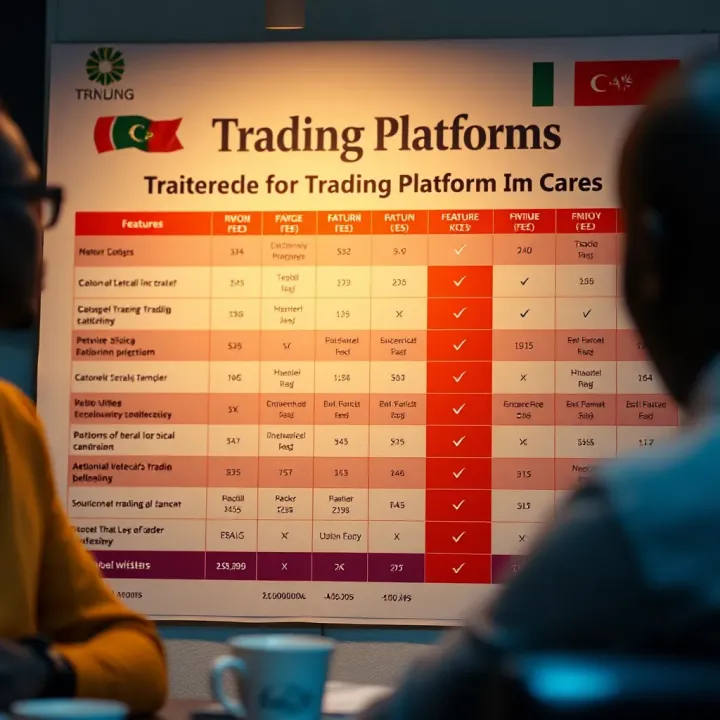
Find the perfect trading platform in Nigeria 🇳🇬. Compare fees, security, and support to trade confidently, whether you're a beginner or pro 📊💼.
Looking for the best forex broker in Nigeria? Discover how to choose with tips on regulation, fees, platforms, accounts, and support 💹🇳🇬
Explore the benefits of Forex trading in Nigeria 🇳🇬: easy market access, high liquidity, diverse strategies, and potential to grow your investments worldwide 🌍💰.
Based on 12 reviews