

Understanding Deriv Trader for Nigerian Traders
Explore Deriv Trader for Nigerian traders 🇳🇬. Learn how to trade forex, binary options & CFDs safely, plus tips to manage risks and improve returns 📊💼.
Edited By
Henry Wallace
Funded trader competitions have become a popular avenue for traders to prove their skills without risking personal capital. These contests, often hosted by proprietary trading firms, provide participants access to firm funds to trade, with rewards including profit shares and cash prizes denominated in naira. For traders in Nigeria and beyond, understanding how these competitions work and what to expect is essential for making informed decisions.
In simple terms, a funded trader competition lets you trade using a firm’s money after you meet certain performance criteria, such as hitting profit targets and managing drawdowns effectively. Winners often receive a funded account to trade real markets alongside profit splits, while non-winners may lose only their entry fees. This structure offers massive potential but also requires discipline and careful risk management.
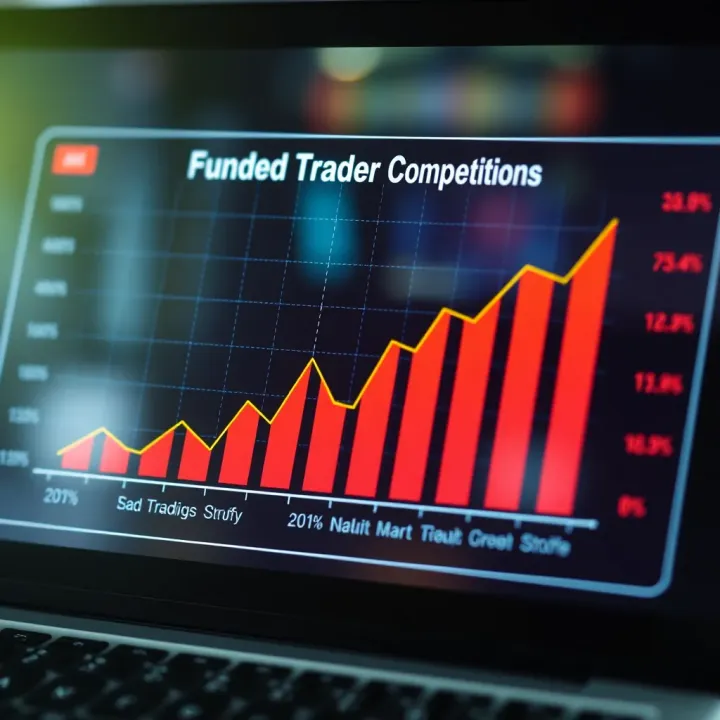
These contests usually run for a specific period, ranging from days to weeks. Traders must follow rules set by the organisers, including limits on position sizes, permitted instruments, and maximum drawdown. Some firms require traders to use their proprietary trading platforms, which can differ in features from popular retail platforms used in Nigeria like MetaTrader or TradingView.
Participating in funded trader competitions offers a real chance to access sizeable capital, but it is not a free ride — understanding the rules and risks upfront is key to avoiding costly mistakes.
Here in Nigeria, traders should also consider regulatory factors such as compliance with the Securities and Exchange Commission (SEC) guidelines when working with foreign proprietary firms or offering services locally. Furthermore, currency fluctuations and transaction costs can affect profitability, so these aspects need careful evaluation.
To sum up, funded trader competitions provide a path for skilled traders to build credentials and earn profits without large upfront capital. Yet, success demands dedication, a clear strategy, and awareness of operational constraints specific to the Nigerian context.
The next sections will unpack the benefits and risks, strategic approaches, and Nigerian-specific tips to maximise your chances in these contests.
Understanding how funded trader competitions operate is essential for anyone considering participating. These challenges give traders a chance to manage capital provided by proprietary trading firms instead of risking their own money directly. For Nigerian traders, this presents an opportunity to grow skills and earn without needing large personal funds upfront.
Funded trading involves proprietary trading firms supplying capital to individuals who have passed their selection process. Proprietary firms act as financial backers, allowing skilled traders to trade firm capital under agreed terms. This differs from retail trading, where traders use their own accounts. The relevance here is clear: you don’t need to risk your life savings to access a bigger trading account.
Competitions serve as the gateway for traders to prove their abilities. They are carefully structured contests where candidates meet specific criteria like profit targets and risk limits within a given timeframe. For example, a firm may require a 10% profit target within 30 days while not exceeding a daily loss of 5%. These contests test discipline, strategy, and risk control practically.
Typically, funded trader competitions run through phases. First is usually a qualifying or evaluation phase on a demo account where traders must hit profit goals while managing drawdowns. Success leads to a live funded account stage where real capital is assigned. Traders must continue to meet rules over time to keep access. Evaluation criteria often cover profitability, consistency, risk adherence, and sometimes trading style.
Competitions come in two main forms: demo-based and live funded accounts. Demo competitions simulate live market conditions so traders do not risk real money, making them suitable for beginners gaining experience. Meanwhile, live funded account contests allow traders to handle actual capital from the start. The stakes are higher but so are the rewards, often including profit splits and bonuses.
Challenges usually impose time limits and fixed profit targets to create clear goals. For instance, a trader might have 60 days to achieve 8% profit. These limits prevent drawn-out trials or excessive risk-taking. Setting deadlines also mimics real trading pressure, helping firms spot reliable talent.
Integral to these competitions are risk management rules, such as drawdown limits. A typical restriction might be a 5% maximum loss on the account balance. Breaking this means disqualification. These controls protect the firm’s capital and compel traders to trade carefully rather than recklessly chasing gains. For Nigerian traders used to volatile markets and naira fluctuations, adapting to strict drawdown discipline can be challenging but rewarding.
Success in funded trader contests depends heavily on understanding their structure—know the rules before you play, and manage risks as if you’re trading your own money.
In summary, grasping what funded trader competitions entail and how they operate helps traders approach them with realistic expectations and informed strategies. This knowledge serves as a solid foundation for the opportunities and challenges discussed in this article.
Funded trader competitions have become a gateway for many Nigerian traders looking to scale their trading activities without tying up large sums of personal capital. Understanding both the benefits and drawbacks helps traders make informed decisions, especially given Nigeria’s unique market conditions and economic realities.
One of the biggest draws of funded trader competitions is that you can trade with substantial capital provided by proprietary trading firms, sometimes running into tens or hundreds of thousands of Naira, without risking your own money upfront. For Nigerian traders, especially those without sufficient savings or limited borrowing options, this access can be a lifeline.
For example, a trader in Lagos might have a strong strategy but only ₦100,000 of personal funds to trade with. Joining a funded competition could grant them control over ₦10 million or more, magnifying earning potential while protecting their capital. It also means the trader can avoid the stress of risking personal savings, which can be a big psychological burden.
Funded competitions often simulate live market conditions closely or even provide actual live funded accounts after qualification. This gives participants real experience managing significant capital under firm-set rules that mirror professional trading environments.
This hands-on learning is invaluable for Nigerian traders who otherwise might rely solely on simulations or small accounts. Navigating live markets, coping with restrictions like drawdown limits and risk ratios, and adapting to volatility build skills crucial for long-term success. Furthermore, it helps prepare traders for careers in the growing fintech and trading sectors in Nigeria.
Winning or performing well in these competitions can lead to profit splits, where traders keep a percentage of earnings generated using the firm’s capital, as well as cash prizes. For many Nigerians, such income streams offer financial benefits beyond what typical retail trading could yield.
Imagine a trader who successfully meets their targets and keeps 70% of profits. Even modest monthly returns can translate to a respectable income, especially considering the relatively low capital risk. This is particularly appealing during Nigeria’s frequent economic uncertainty, where fresh income sources are welcome.

Funded trader competitions are known for strict trading rules designed to protect firm capital. Examples include daily loss limits, total drawdown caps, and mandatory profit targets. For traders unfamiliar with such controls, this can restrict strategy flexibility and lead to disqualification for minor breaches.
In Nigeria, where fast market reactions and risk-taking sometimes drive trading culture, adapting to these constraints is crucial. Failure to do so can result in traders losing their funded status or deposits, which is a real setback.
Many proprietary firms require a fee or deposit to enter funded challenges, which traders risk losing if they fail to meet competition criteria. Nigerian traders must treat these fees like investments, carefully weighing the chance of earning against losing the entry costs.
For instance, losing a ₦50,000 deposit due to insufficient risk management can feel costly, especially for traders with limited capital pools. It's vital to view these fees realistically and avoid chasing losses in a bid to recover deposits.
The competitive nature of these contests can add significant psychological stress. Traders must manage the anxiety of meeting profit targets while avoiding quick losses under stringent rules.
For Nigerian traders who often deal with external pressures like unstable power supply or distractions from family and environment, adding intense mental strain can impact decision-making. Developing mental resilience and discipline is therefore as important as mastering trading techniques.
Success in funded trader competitions requires balancing opportunity with careful risk management and strong psychological readiness.
By understanding these benefits and risks thoroughly, Nigerian traders can choose the right competitions that fit their goals, capital, and trading style, positioning themselves to turn the challenges into opportunities.
Success in funded trader competitions depends largely on well-crafted strategies. These contests aren’t about gambling on big wins but about consistent, disciplined trading that respects specific rules. Without a solid plan and psychological readiness, even the most skilled traders struggle to pass evaluation phases or maintain funded accounts.
Setting realistic profit targets is vital. Claims of doubling balances in days may sound tempting but usually lead to reckless decisions, especially under competition pressure. Setting achievable profit goals aligned with the competition’s time frame and drawdown limits encourages steady progress. For instance, aiming for a 5% monthly return instead of 20% helps keep risk within bounds and increases chances of long-term success.
Managing drawdowns within limits demands vigilance. Competitions often impose strict loss caps—sometimes as low as 5% or 10% of initial capital. Traders must recognise that sticking to these limits protects their funded status. Implementing stop-loss orders and scaling down trade sizes when the market moves against your position are practical methods. Managing drawdowns doesn’t mean avoiding all losses but controlling them to avoid automatic disqualification.
Adapting to different market conditions separates successful traders from the rest. Markets in Nigeria or globally can be volatile, with sudden shifts during ember months or global events. A trading plan that includes flexible strategies—like switching between trend-following and range-bound tactics—helps traders avoid stagnation and reduce losses. Understanding when to reduce risk, such as during major economic announcements, is also crucial.
Handling pressure and competition stress is one of the toughest aspects. The ticking clock and profit targets can make traders rush decisions. Learning calming techniques, such as deep breathing or short breaks during sessions, helps maintain clarity. Remember, a trader who panics is more likely to make mistakes that lead to losses.
Maintaining consistency and focus means avoiding emotional highs and lows through the evaluation phase. Nigerian traders familiar with fast-paced danfo rides or okada traffic jams understand how distractions reduce performance. Similarly, staying disciplined by following the trading plan every day avoids knee-jerk reactions that cost capital. Logging trades and reviewing performance nightly can reinforce focus.
Avoiding impulsive trades is closely tied to discipline. Competition stress can tempt traders to chase losses or jump into trades driven by “gut feeling” rather than analysis. Such impulsiveness often triggers stop-outs or bigger drawdowns. A good practice is setting strict entry and exit rules and sticking to them regardless of fear or excitement. Over time, this builds trust in one’s plan and reduces emotional trading.
Successful funded traders don’t just rely on technical skills but work hard to combine solid strategy with mental toughness. In these contests, consistency over flashy wins wins the day.
By applying these strategies, Nigerian traders increase their odds of not just surviving but thriving in funded trader competitions, turning opportunities into tangible gains with controlled risks.
Understanding the legal and regulatory framework is vital for anyone interested in funded trader competitions in Nigeria. Traders must know the rules and protections set by Nigerian authorities to avoid legal trouble and ensure their activities comply with local laws. This section outlines the key regulatory bodies, compliance requirements, tax responsibilities, and ways to avoid scams.
The Securities and Exchange Commission (SEC) Nigeria is the main regulator overseeing capital market activities, including proprietary trading firms and their funded trader programmes. SEC issues licences to firms operating in trading and investment sectors and monitors their adherence to market rules. For traders, this means that only SEC-registered firms should be trusted to run competitions offering funded accounts or prize money.
Participation in competitions organised by unregistered firms puts traders at risk of losing funds without legal recourse. For example, a prop trading firm promising unrealistically high returns but lacking SEC approval should raise red flags. Therefore, confirming SEC registration before joining any funded trader programme is crucial.
Proprietary trading firms in Nigeria must follow SEC regulations, including maintaining transparent financial records and adhering to anti-money laundering (AML) protocols. They also need to implement proper risk management practices. These requirements aim to protect traders from unfair practices and ensure contest conditions are clearly communicated.
Traders should carefully read terms and conditions covering risk limits, profit shares, withdrawal rules, and fees. Legitimate firms will provide these details upfront and keep communication open. Firms avoiding transparency or making vague promises likely do not meet SEC compliance standards.
Earnings from funded trader competitions, such as profit shares or prizes, are considered taxable income in Nigeria. The Federal Inland Revenue Service (FIRS) requires individuals to declare this income and pay personal income tax accordingly. Failure to report earnings may lead to penalties or audits.
Traders should keep detailed records of all winnings and related transactions. If earnings grow substantial, consulting a tax professional familiar with Nigerian tax law is advisable. This step helps avoid surprises during tax filing and keeps trading activities fully above board.
With increasing popularity, funded trader competitions have attracted dubious actors. A genuine programme usually:
Is transparent about fees and profit-sharing details
Provides verifiable registration and contact information
Offers realistic trading goals tied to actual market conditions
For example, a reputable firm like FTMO or a legally compliant Nigerian firm will have clear proof of operation and positive reviews from credible traders.
Red flags include:
Guarantees of guaranteed profits or no-risk trading
Requests for large upfront fees with no refund policy
Lack of official registration or unverifiable company details
Beware offers that pressure you to deposit funds quickly or skip standard checks. Scammers often use overly polished websites or social media advertisements to lure traders unaware of risks.
Before joining any competition, verify the firm’s credentials through:
Checking SEC registration status
Searching for independent trader reviews and forums
Confirming presence of clear, written contract terms
Taking these steps can save you from losing money to scams or unfair contest terms. A cautious approach is better than rushing and facing avoidable losses.
Always treat your funds and personal data with care. In Nigeria’s growing trading scene, vigilance protects you far more than luck ever will.
Navigating the legal and regulatory landscape isn’t just compliance; it is essential protection against fraud and unexpected losses. Nigerian traders who understand these aspects improve their chances of succeeding safely in funded trader competitions.
Picking the right funded trader competition can make a huge difference to your success and overall experience. Each competition varies in structure, rules, and rewards, so understanding these differences helps you avoid costly mistakes and align the contest to your trading style and goals. For example, some firms charge high entry fees but offer generous profit splits, while others have strict drawdown limits but lower fees. Finding a balance that works for you prevents frustration down the line.
Before committing, closely examine each firm's competition rules. Some require a fixed entry fee, say ₦50,000, while others might ask for a refundable deposit. The profit split is equally important — many firms share 70% of profits with you, but some go as low as 50%. Also, rules around risk management, such as daily loss limits or maximum drawdown, differ. For instance, a firm may allow a maximum 5% daily loss but only 10% total drawdown, which affects how aggressively you can trade.
A firm's standing matters greatly. Look for firms with positive reviews from Nigerian and international traders. Some firms have operated for years, processing payouts promptly, while others have negative reports about unpaid profits or poor support. Platforms like Forex Peace Army or trading forums provide insight. For example, a firm with a solid decade-long track record and transparent policies reduces the risk of falling into a scam.
Check which trading platforms the firm offers — Metatrader 4, Metatrader 5, or cTrader are common choices. Ensure the platform supports your preferred trading style, like scalping or swing trading. Also, look at available instruments. Some firms allow forex pairs only, while others include commodities, indices, or cryptocurrencies. If you primarily trade crude oil futures or Bitcoin, joining a firm without such options would limit your edge.
Your trading style should fit competition demands. For a trader who prefers long-term position trades, a competition with tight time limits and quick profit targets might cause stress and poor results. Conversely, short-term traders may excel where the profit target is high but the timeframe short. For example, a day trader could thrive in a 30-day profit challenge, but a trend follower might struggle.
Competitions differ on how much time you need. Some run for weeks, others for months, and a few are ongoing with rolling evaluations. Consider your daily schedule and availability. For instance, a trader working a 9 to 5 job might prefer a longer challenge allowing flexible trading hours, unlike a competition requiring daily active participation. Understanding this upfront prevents burnout or missed deadlines.
Different competitions place varied emphasis on risk controls. Some allow a maximum drawdown of 10%, others less than 5%. If you’re comfortable with moderate risk, joining a competition with very tight limits may hamper your usual strategy, forcing you to trade too cautiously and miss profit opportunities. Knowing your risk tolerance helps select a contest that balances potential reward with your psychological comfort.
Choosing the right competition aligns the challenge with your strengths and goals, increasing your chances of becoming a funded trader. It’s not just about the prize but also about building sustainable trading habits.
Having clear criteria before joining ensures your efforts and capital are put to best use, especially in the Nigerian trading space where opportunities and risks run hand in hand.
Explore Deriv Trader for Nigerian traders 🇳🇬. Learn how to trade forex, binary options & CFDs safely, plus tips to manage risks and improve returns 📊💼.
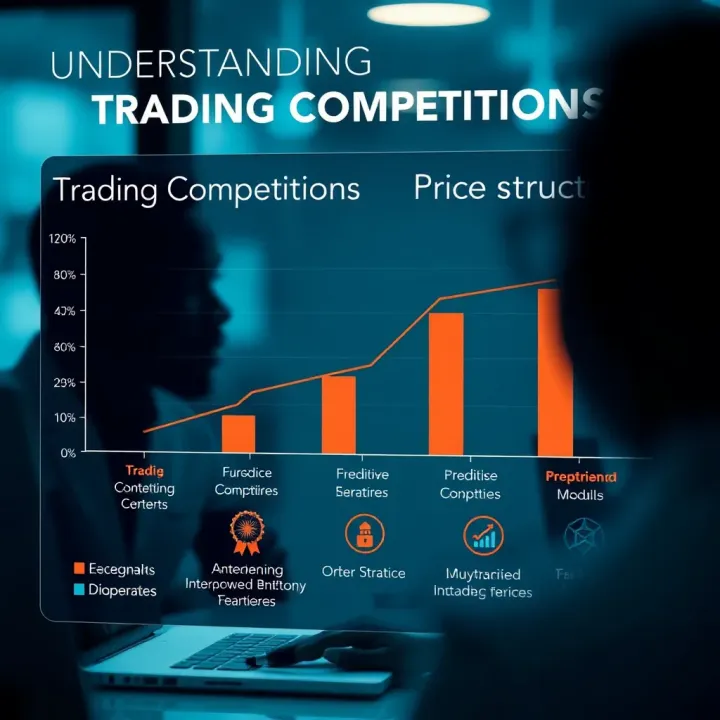
Discover how trading competitions offer ₦ prizes to Nigerian traders 🎯 Learn types, risks, benefits, and gain top tips to boost your chances in these popular contests!

Discover the richest forex trader in Nigeria 🇳🇬, their winning strategies, market challenges, and how forex trading shapes Nigeria’s ₦ economy 💹. Learn realities today!
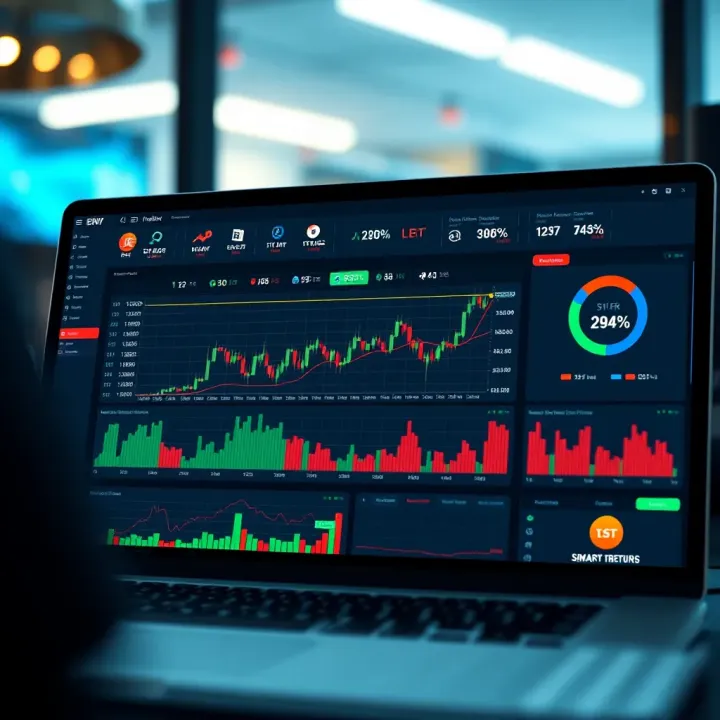
Discover how to trade forex and binary options smartly on Deriv's Smart Trader platform. Tips, tools, security, and regulatory insights tailored for Nigerian traders 🇳🇬💹🛡️
Based on 9 reviews