
Choosing Brokers with $1 Minimum Deposit for Nigerian Traders
Start trading with just $1 deposit! Discover trusted brokers for Nigerian traders, weigh risks and benefits, and learn how to grow your low-capital investment 📈💰
Edited By
Isabella Grant
Starting your forex journey with only $1 sounds almost too good to be true, especially in a market as vast and volatile as forex trading. Yet, in Nigeria, several brokers have dropped their minimum deposit to this affordable level, opening doors for beginners and traders with limited capitals. This means you can begin trading currencies, such as the US dollar, euro, or naira, with little upfront cash—making the foreign exchange market more accessible than ever.

Lower financial risk: Trading with just $1 reduces your initial exposure. It’s a smart way to test the waters without risking a large chunk of your savings.
Opportunity to learn: For newbies, using a small deposit encourages learning real market moves rather than just practising on demo accounts.
Budget-friendly: Not everyone has the luxury of funding a trading account with hundreds of dollars, so these brokers create a more inclusive environment.
However, the catch is that such low deposit requirements often come with some constraints, such as limited product offerings, higher spreads, or fewer leverage options compared to brokers requiring larger deposits.
Always verify the broker’s regulatory status before depositing, as low entry barriers sometimes attract less reputable operators.
In Nigeria, traders frequently face challenges like fluctuating naira exchange rates, unreliable internet access in certain regions, and power outages affecting market engagement. Choosing a forex broker with a $1 minimum deposit helps minimise capital risk while you navigate these hurdles. Many of the brokers catering to Nigerian traders also support popular local payment options like bank transfers, USSD, and e-wallets, which ease fund management.
Starting off with $1 does not mean you can start trading recklessly. It’s the first step to understanding the dynamics of forex markets without financial strain. Consider this option as your stepping stone—use it to build skills, understand platform features, and develop strategies before scaling up.
In the next sections, we will explore how to identify reliable forex brokers with low minimum deposits in Nigeria, what risks you must watch out for, and how to get started safely.
Understanding the landscape of forex trading in Nigeria is key for anyone looking to enter the market, especially those considering brokers with very low minimum deposits like $1. This overview sheds light on the current trends, regulations, and practical challenges, helping you navigate the opportunities and risks in this space.
Forex trading has gained serious traction among Nigerians over the past decade, largely because it promises quick returns and accessibility through online platforms. Many young Nigerians, especially those in urban centres like Lagos and Abuja, have turned to forex as a side hustle or alternative investment amid economic fluctuations and naira inflation. Platforms that allow minimal deposits attract those who can't afford large upfront capital but still want a stake in the forex market.
Forex trading in Nigeria operates under the watchful eyes of the Securities and Exchange Commission (SEC) and the Central Bank of Nigeria (CBN). While SEC oversees the licensing and regulation of forex brokers to curb scams, the CBN focuses on monetary policy and foreign exchange stability. However, the regulatory framework is still evolving, and some brokers operate in a grey area, which means traders must verify broker credentials before investing.
Nigerian traders face several hurdles: high volatility of the naira against major currencies, unreliable local payment channels for deposits and withdrawals, and frequent power outages that disrupt trading activities. Additionally, some traders fall victim to fraudulent brokers due to weak enforcement of regulations and lack of widespread awareness. These challenges can erode confidence and affect overall profitability.
A minimum deposit is the smallest sum of money a trader needs to open a forex trading account. Its purpose is twofold: it protects brokers from handling too many trivial accounts and ensures the trader has some skin in the game. Brokers offering $1 minimum deposit are targeting beginners or cautious investors who want to test the waters without risking a large sum.
The level of required deposit directly influences market participation. Lower deposit requirements lower barriers to entry, allowing more Nigerians to experiment with forex. However, tiny deposits may limit the size of trades and potential returns, meaning traders need good strategies to manage their risks and profits effectively. In contrast, higher minimum deposits often attract more serious traders but exclude many willing to learn through small investments.
Starting with brokers that accept $1 minimum deposits allows aspiring Nigerian traders to join the market early, learn the ropes, and gradually build confidence without heavy financial risks.
This section equips you with a realistic understanding of how forex trading is seen and regulated in Nigeria, setting the right expectations for dealing with brokers who offer minimal deposit options.
Choosing a forex broker accepting a $1 minimum deposit in Nigeria opens opportunities for many beginners and cautious traders. These brokers often cater to those starting small, aiming to explore forex trading without risking much capital. However, it’s essential to understand what features, costs, and services come with such low entry requirements to make informed decisions.
Account types and leverage options determine how flexible your trading experience will be. Brokers offering $1 minimum deposits typically provide micro or nano accounts, designed for small-scale trading. These accounts let you trade in smaller lot sizes, which suits tight budgets. However, leverage—borrowing power to increase trade size—can vary widely. Some brokers offer leverage up to 1:500, which sounds appealing but can magnify risks, especially with low capital. For example, a trader with ₦500 (about $1) using 1:100 leverage risks losing much more if the market moves against them. Therefore, choosing reasonable leverage aligned with your risk tolerance is key.
Trading platforms and technology impact how smooth and efficient your trading will be. Brokers supporting $1 deposits usually offer popular platforms like MetaTrader 4 (MT4) or MetaTrader 5 (MT5). These are user-friendly and suitable for mobile devices, vital for Nigerian traders who rely heavily on smartphones with varying internet speeds. Some brokers even develop proprietary apps optimised for local connectivity and payment integration, making deposits and withdrawals easier through services like Paystack or Flutterwave. Fast execution and reliable uptime matter to avoid slippage, especially during volatile sessions.
Availability of educational resources can make or break your trading start. Brokers catering to beginners with low minimum deposits often provide tutorials, webinars, and demo accounts. For instance, a broker might allow you to practise with virtual funds before risking actual money, which is critical for understanding forex dynamics. Additionally, quality blogs or video lessons tailored to Nigerian forex market nuances can help you grasp local economic influences such as naira fluctuations or CBN policy shifts.
When considering spread and commission, lower minimum deposit brokers sometimes charge slightly wider spreads to compensate for smaller trade volumes. Spreads indicate the difference between buy and sell prices – the smaller, the better for traders. For example, if a broker offers a EUR/USD spread of 2 pips instead of 1 pip, costs double for each trade, which eats into profits, especially with low capital trades. Commission fees may vary; some brokers charge zero commission but adjust spreads accordingly.
Deposit and withdrawal charges directly affect your net returns. Some brokers boast $1 deposits but impose hefty withdrawal fees, sometimes ₦1,000 or more per transaction, which may discourage small traders from frequent cashing out. It's common to see limited withdrawal methods suitable for Nigerians, like local bank transfers or mobile money options. Always check if the broker partners with local payment providers to reduce costs.
A word of caution: hidden fees can hurt your trading budget. These might include inactivity fees after some months without trading, currency conversion fees if depositing in naira but trading in dollars, or charges on currency swap/rollover for overnight positions. Experienced traders know to read terms carefully. For instance, a trader ignoring swap fees might face unexpected costs that accumulate over weeks, reducing overall profitability.
Traders should balance affordable entry with transparent costs and robust features. Low deposits don’t mean low quality if you choose wisely.
In summary, while brokers with $1 minimum deposit present a tempting avenue for Nigerians with limited capital, understanding their service nuances, fee structure, and available resources helps navigate risks and benefits effectively. This knowledge makes your forex trading venture less of a gamble and more of a calculated strategy.
Selecting the right forex broker in Nigeria is no small matter, especially when dealing with a $1 minimum deposit. The broker you choose not only affects how your trades are executed but can also determine your trading experience and success. Considering specific factors such as regulatory compliance, fund security, and reliable customer support helps protect your capital and gives you confidence as you navigate the forex market.
Regulation ensures brokers follow the rules designed to protect traders. In Nigeria, brokers regulated by authorities like the Securities and Exchange Commission (SEC) operate under clear standards. International licences from bodies such as the Financial Conduct Authority (FCA) or the Australian Securities and Investments Commission (ASIC) also signal rigorous oversight. These licences matter because they reduce the risk of fraud and malpractice. For example, a broker registered with SEC and FCA demonstrates a commitment to transparency and ethical business practices, which is crucial when starting with small capital.
A reputable broker separates client funds from their operating money, a practice called fund segregation. This ensures your money is safe even if the broker faces financial difficulties. Good brokers also hold client funds in well-established banks and offer protection schemes where applicable. Nigerian traders should verify if brokers provide such arrangements before depositing even $1. Without these safeguards, there is a higher chance of losing funds due to irregularities or bankruptcy.
One way to gauge a broker's trustworthiness is through feedback from other Nigerian traders. Customer reviews highlight real experiences regarding withdrawal speed, platform reliability, and customer support quality. Forums like Forex Peace Army or Trustpilot contain valuable testimonials. A broker with positive, consistent reviews is more likely to offer smooth service, while a history of complaints might suggest potential red flags. Always prioritise brokers known for honesty and excellent service.
For active trading, fast execution of buy or sell orders is essential. Delayed trades can lead to slippage, turning potential profits into losses. Nigerian traders should look for brokers providing instant or market execution with access to various order types—such as limit, stop, and trailing stops. This flexibility helps in managing risks effectively, especially when trading on limited funds.
Reliable customer support tailored to Nigerian needs makes a big difference. Some brokers offer support in local time zones and accept calls via WhatsApp or phone lines popular in Nigeria. Having access to prompt help in case of technical issues or payment problems avoids costly delays. For instance, brokers with multilingual teams familiar with Nigerian banking systems tend to resolve issues faster.
Ease of moving funds in and out of your trading account is vital. The best brokers support payment options familiar to Nigerians, such as bank transfers through local banks (GTBank, Zenith, Access Bank), USSD payments, and popular e-wallets like OPay or Flutterwave. Avoid brokers limiting deposits to international wire transfers only, which can incur high fees and long processing times. Likewise, quick withdrawals are important, so check the average processing time and possible charges before committing.
Choosing a broker involves more than finding the lowest deposit requirement. Prioritising safety, usability, and local convenience safeguards your investment and smoothens your trading journey in Nigeria.
Starting forex trading with just $1 has become quite popular among Nigerian traders, especially those eyeing exposure without risking large sums. This approach comes with clear advantages but also notable risks. Understanding both sides helps traders make informed decisions and avoid common pitfalls.
Low minimum deposits break down the barriers to entry for beginners. Many Nigerians, especially those in school or just starting work, find it difficult to commit large amounts upfront. A $1 minimum deposit allows these individuals to get their feet wet without stressing their wallets. For example, a student in Lagos can start experimenting with real money trading alongside their studies without sweat.
With just $1 to start, the financial risk is drastically reduced. This setup means traders won't blow big holes in their pocket by mistake or impulse. It gives space to learn the ropes and understand market behaviour without the pressure of losing substantial capital. In a country where saving even ₦500 can be a challenge, this low exposure is invaluable for cautious investors.
Traders often want to try new methods and strategies before committing fully. With minimal capital, you can test how different tactics perform in live conditions. For instance, a trader in Abuja might want to trial scalping techniques or news trading approaches without risking ₦10,000 or more. This flexibility helps build confidence and refine skills before scaling up.
Having minimal capital might tempt some to trade excessively, chasing quick profits to grow their account. The danger here is that overtrading can rapidly deplete the tiny deposit. Nigerian traders must remember patience is key; trading should be disciplined and measured rather than frantic and undisciplined.
While $1 deposits lower the entry barrier, they also reduce the sizes of trades one can place. It restricts potential profits, so a trader might find their earnings modest unless they increase their capital. This can be frustrating but is an expected trade-off for minimal risk. Scaling gradually, as funds grow, is often the best route.
Low minimum deposits are sometimes used by unscrupulous brokers to lure unsuspecting Nigerians. Traders must verify that brokers hold licences from bodies like the Nigerian Securities and Exchange Commission (SEC) or reputable international authorities. Avoiding rogue platforms protects your small investment and personal data, which is crucial for a stress-free trading journey.
Starting with a small deposit offers multiple advantages but also demands caution and good broker choice to avoid pitfalls common in Nigeria's forex scene.
By weighing these pros and cons carefully, Nigerian traders can find value in low deposit forex accounts while steering clear of common hazards.
Starting forex trading with just $1 can seem simple, but it requires careful planning and informed steps, especially within Nigeria's financial landscape. This section breaks down the practical process from account setup to early trading tactics, ensuring you navigate the market safely and efficiently.
To begin, verifying your identity is mandatory. Nigerian regulations require brokers to follow know-your-customer (KYC) rules to curb fraud and money laundering. You'll typically need a valid ID such as your National Identification Number (NIN), a recent utility bill to confirm your address, and sometimes your Bank Verification Number (BVN). This may seem tedious, but it's crucial in protecting your funds and ensuring your broker's legitimacy.
Once your documents are ready, you can proceed with the initial deposit. Not all brokers support Nigerian payment methods, so choosing one that accepts local options like bank transfer from GTBank or Access Bank, card payments from MTN Mobile Money, or popular e-wallets such as OPay and PalmPay is essential. These methods not only make deposits seamless but also avoid excessive foreign transfer fees and delays. For instance, using USSD codes provided by local banks can speed up your deposit without the need for online banking.
Managing risk with a small capital like $1 means you must be extra cautious. Avoid overtrading, which can quickly deplete your funds through commissions and spreading costs. Instead, focus on using micro or nano lots, which allow smaller trade sizes matched to your capital. For example, with a $1 deposit, placing a trade size of 0.01 lots keeps potential losses within manageable limits.
Beginners should also take advantage of demo accounts. These practice accounts mirror live trading environments but use virtual money, letting you experiment with strategies without financial risk. Nigerian brokers like ForexTime (FXTM) or HotForex typically offer demo accounts that replicate what Nigerian traders face in live conditions, making them invaluable for building confidence before committing real money.
Keeping an eye on economic news is another practical tip. Forex markets react quickly to events such as Central Bank of Nigeria (CBN) policy announcements, naira exchange rate shifts, or geopolitical developments around oil prices. Following Nigerian financial news platforms or economic calendars helps you anticipate market movements and avoid surprises.
Starting forex trading with a minimal deposit in Nigeria is possible, but your success depends heavily on how well you set up your account, manage risk, and stay informed. Small capital means small mistakes could be costly, so proceed wisely.
These steps lay the groundwork for affordable and safer trading. Beginners who follow them are better positioned to gain experience and gradually increase their trading capital.
Start trading with just $1 deposit! Discover trusted brokers for Nigerian traders, weigh risks and benefits, and learn how to grow your low-capital investment 📈💰
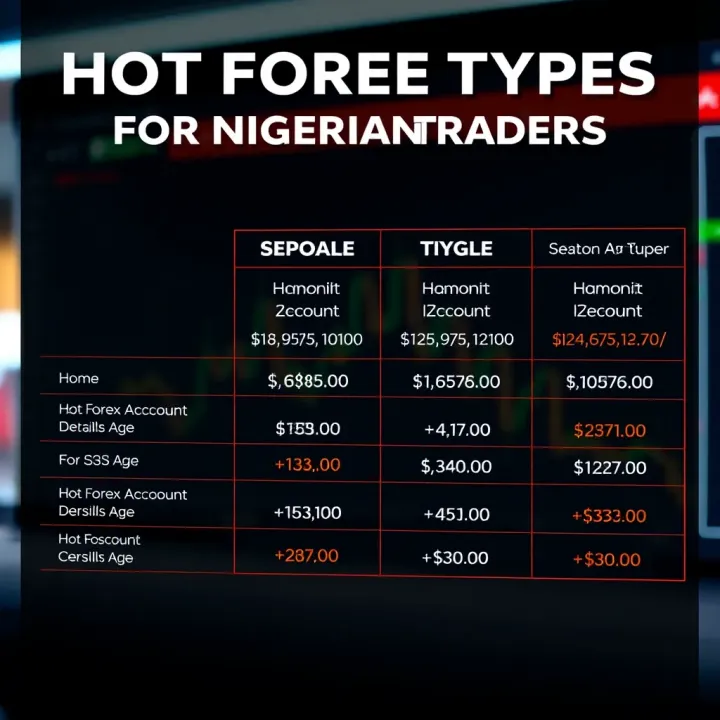
🔍 Discover Hot Forex minimum deposit details for Nigerian traders, including account types, ₦ costs, payment options, and tips to manage your investment wisely.
Explore how to pick the best forex broker in Nigeria with low minimum deposits 💰. Learn about regulation, fees, platforms & support to trade confidently 🚀.
Discover XM's minimum deposit details 🔍 tailored for Nigerian traders 🇳🇬. Learn about account types, payment methods, pros, cons, and smart deposit tips 💡.
Based on 12 reviews