
Understanding Binary Options for Nigerian Traders
Learn how binary options work, key risks, regulatory tips, and broker advice to trade smartly and safely in Nigeria’s market ⚖️📊
Edited By
Charlotte Davies
Bitcoin (BTC) remains one of the most talked-about digital assets among Nigerian investors today. Its price movements often capture headlines, influencing decisions from casual traders to serious investors. For anyone serious about navigating this market, understanding how Bitcoin price changes daily is more than just curiosity—it directly affects when and how to buy or sell.
Bitcoin's value swings arise from a mix of global and local factors. Globally, things like changes in US Federal Reserve policies, tech regulation shifts, or major hacks can send the price up or down sharply. Locally, Nigeria’s exchange restrictions, forex policies from the Central Bank of Nigeria (CBN), and fluctuating naira-dollar rates shape how easily Nigerians can access and trade Bitcoin.
Knowing the daily price isn’t enough; you need to grasp why it moves to make smart investment calls.
To keep up, many Nigerians rely on popular cryptocurrency market websites or apps like Binance, Luno, and Binance NG, which show BTC price in both dollars and naira. Remember, due to naira volatility and liquidity issues, the price in naira can vary widely between platforms.
Here are some ways Nigerian investors stay informed:
Use price aggregators: Coindesk, CoinMarketCap, and CoinGecko track Bitcoin prices globally.
Check local exchanges: Prices on Luno and Binance NG reflect market conditions specific to Nigeria.
Watch CBN announcements: Policy changes on forex or crypto affect Bitcoin accessibility.
For instance, if the naira drops against the dollar but Bitcoin price in dollars stays stable, Bitcoin's naira price may spike, tempting investors to sell and take quick profit. Conversely, sudden local crypto bans or bank restrictions can suppress trading, sending prices sharply downward.
In-sum, being on top of the Bitcoin price today means combining global market awareness with local financial realities. This approach helps investors avoid losses during rough patches and capture gains when opportunities arise.
Being informed isn’t only about numbers—it’s about connecting those numbers to everyday events affecting Nigerian investors. From fuel scarcity that distracts from markets, to ember months when spending rises—each factor nudges Bitcoin’s price subtly but importantly.
Understanding Bitcoin’s price movement today means recognising it as a pulse sensitive to many beats, not just an isolated figure on your phone screen.
Knowing the current price of Bitcoin is fundamental for Nigerian investors aiming to make informed decisions. Because the crypto market is volatile, a clear snapshot of Bitcoin’s present value helps you decide when to buy, sell, or hold. For example, if you spot Bitcoin trading at ₦30 million on a popular exchange but see it slightly higher on a peer-to-peer platform, this price difference can guide your choice.
Supply and demand dynamics play the biggest role in shaping Bitcoin's price. Bitcoin is capped at 21 million coins, creating scarcity. When more people want to buy than sell, the price rises; if selling pressure mounts, it falls. This simple push-and-pull often leads to sharp price swings. For instance, during a hype phase—like after Elon Musk’s tweets or global events encouraging crypto adoption—the demand soars, pushing prices up quickly.
The role of mining and issuance is another factor. Bitcoin miners solve complex puzzles to validate transactions and earn new BTC as rewards. This issuance rate halves approximately every four years, reducing new supply entering the market. The halving tightens supply, often leading to price increases if demand remains steady or grows. Nigerian miners, despite high power costs, contribute to this process, meaning local energy expenses can indirectly affect market liquidity.
Market sentiment significantly influences Bitcoin’s value. News, social media, and public opinion can spark optimism or fear, causing prices to jump or drop fast. If Nigerian media reports a positive regulatory update from the Central Bank of Nigeria (CBN), confidence can surge. Conversely, rumours of bans or scams lead to sell-offs. This emotional aspect makes Bitcoin market behaviour less predictable and more reactive.
Popular crypto exchanges serving Nigeria include platforms like Binance, Luno, and Quidax. These exchanges offer prices in Nigerian Naira (₦), making it easier to understand real costs without constant currency conversion. They provide an accessible, user-friendly way to track Bitcoin value while offering wallet services and secure trade options.
Price tracking websites and apps such as CoinMarketCap and CoinGecko give real-time updates on Bitcoin's price across various exchanges worldwide. These tools let Nigerian investors compare prices from multiple sources to avoid inflated rates or scams. They also show historical charts and volume data, which help in spotting trends.
Mobile platforms and fintech options have made checking Bitcoin prices easier than ever. Apps like OPay, Kuda, or PalmPay often include crypto features or partnerships that display live Bitcoin prices. This lets you stay updated while on the move, whether stuck in Lagos traffic or waiting at a mama put stall, ensuring you don't miss key market moves.
Staying current with Bitcoin’s price movement empowers you to act with confidence in Nigeria’s fast-changing crypto landscape. Always cross-check prices across several platforms before making transactions to avoid overpaying or falling for scams.
Understanding the factors that influence Bitcoin price fluctuations is essential for Nigerian investors seeking to make well-informed decisions. Bitcoin's price does not move in isolation; it is affected by global economic dynamics as well as local market conditions. Knowing these influences helps investors to anticipate potential price shifts and manage risks effectively.
Global interest rates and monetary policies play a significant role in Bitcoin’s price movement. When central banks like the US Federal Reserve raise interest rates, it often strengthens the US dollar and prompts investors to favour safer assets like government bonds. This can reduce demand for speculative assets such as Bitcoin, leading to price drops. Conversely, when rates are low, investors might search for higher returns in cryptocurrencies, pushing Bitcoin’s price upward.
For Nigerian investors, these global policies matter because many trades involve US dollars or rely on dollar-pegged assets. For example, during the period when the Fed raised rates sharply from 2022, Bitcoin’s price experienced frequent dips. Keeping an eye on announcements from major central banks gives you a heads-up on possible Bitcoin market reactions.
Conflicts, wars, and political instability around the world can cause investors to pull out of risky assets and seek safe havens. However, Bitcoin sometimes reacts differently compared to traditional assets. During geopolitical tensions, some investors turn to Bitcoin as a store of value and a hedge against currency devaluation or capital controls.
Consider the Russia-Ukraine conflict that started in 2022. While traditional stock markets dropped, Bitcoin saw increased trading volumes as people searched for alternative investment options outside unstable fiat currencies. Nigerian investors should watch geopolitical events closely, especially where supply chains or economic sanctions may affect currency strength or inflows to cryptocurrency markets.
The naira’s frequent fluctuations against major currencies like the dollar strongly impact Nigerian Bitcoin investors. When the naira weakens, the local price of Bitcoin in naira terms tends to rise even if the global Bitcoin price is stable. This can create both opportunities and risks for traders.
For instance, during periods of naira devaluation in 2023, Bitcoin became more expensive locally, attracting interest as a way to preserve wealth. However, it also means short-term price swings can be quite sharp, so investors should be mindful of FX risks when timing their trades.
The Central Bank of Nigeria (CBN) has taken a cautious stance on cryptocurrencies, including directives that restrict banks from facilitating crypto transactions. These policies shape the ease of access to Bitcoin and affect market liquidity.
While the CBN has not outright banned cryptocurrency ownership, its banking restrictions have pushed many investors to use peer-to-peer platforms or fintech apps like OPay and PalmPay. Understanding these policies is key to avoiding regulatory pitfalls and finding reliable ways to transact in Bitcoin within Nigeria.
Nigeria’s crypto market is dynamic, with growing adoption among youths, traders, and businesses. Yet, regulatory uncertainty continues to influence Bitcoin’s acceptance and valuation locally.
Recent moves toward clearer frameworks by the Securities and Exchange Commission (SEC) and ongoing discussions in the National Assembly suggest a shift toward regulation rather than prohibition. Nigerian investors who keep updated on regulatory announcements can gain advantage by acting promptly when new rules or incentives arise.
Monitoring both global and local factors is vital for Nigerian Bitcoin investors. Price swings are often triggered by a mix of macroeconomic trends and domestic policies, so staying informed helps you navigate this volatile market with more confidence.
Global interest rates affect Bitcoin demand internationally, influencing Nigerian pricing.
Geopolitical issues can swing investor behaviour between risk and safety, impacting BTC.
Naira volatility creates added local price fluctuations unlike global markets.
CBN’s regulatory approach shapes accessibility and trust in Nigeria’s crypto space.
Tracking local regulatory developments helps Nigerian investors anticipate market shifts.
Understanding how Bitcoin price moves over time is essential for investors and traders alike. By analysing trends and patterns, you can make informed decisions rather than relying on mere luck or hearsay. This approach helps identify potential entry or exit points, assess risks, and better anticipate market behaviour in both global and Nigerian contexts.
Bitcoin has a history marked by distinct price cycles—periods of rapid price increase (bull runs) usually followed by periods of stagnation or decline. For instance, the surge from around ₦1.5 million in late 2020 to over ₦30 million in early 2021 was a clear bull run driven by a mix of global institutional interest and retail investors. Recognising these cycles allows Nigerian investors to understand when prices are overextended and identify moments to take profits or buy the dip.
These cycles do not follow a fixed calendar but tend to respond to factors like global monetary policy changes, technological improvements in the blockchain, or mass adoption waves. Historical patterns remind investors not to expect prices to rise endlessly and to prepare for natural corrections.
Bear markets are phases where Bitcoin’s price declines significantly, often more than 20%, shaking out weak hands. The correction after the 2017 bull run where BTC dropped from about ₦4.5 million to a low around ₦800,000 in 2018 serves as a classic example. During these times, markets can feel grim, but experienced investors see it as an opportunity to accumulate more BTC at reduced prices.
Understanding bear markets helps Nigerian investors manage emotions and avoid panic selling. It also stresses the importance of risk management strategies such as setting stop losses or diversifying portfolios to withstand downtrends.
Traders often use tools like Moving Averages (MA), Relative Strength Index (RSI), and Bollinger Bands to predict short-term price movements. For example, the 50-day and 200-day MAs help spot trend reversals when they cross. RSI indicates overbought or oversold conditions, signalling potential price pullbacks or rebounds. Nigerian traders using platforms like Binance or Luno can access these tools easily to time their trades better.
Chart patterns such as head and shoulders or support and resistance levels also help forecast possible price moves. Combining indicators with awareness of local and global developments refines the prediction process.
Despite these tools, forecasting Bitcoin price remains risky. The market is volatile, influenced by sudden news, regulatory changes, or large whale transactions. Overreliance on technical indicators can mislead investors; for example, an RSI signal might fail during a volatile crash.
Moreover, Nigerian investors face added challenges like naira volatility and intermittent internet access, which can disrupt timely trade execution. Hence, forecasts should guide decisions, not dictate them. It’s wise to couple technical analysis with solid risk management and stay updated on crypto regulations within Nigeria.
Knowing how to read Bitcoin’s price patterns is not about predicting the future perfectly but about preparing smart strategies to navigate the choppy waters of crypto trading safely and confidently.
Navigating the process of buying and selling Bitcoin in Nigeria is key for anyone looking to invest or trade in the cryptocurrency market. Given the local financial environment and regulations, understanding the right platforms and payment options can save you time and reduce risks associated with transactions. This section breaks down essential practical aspects to help you engage confidently with Bitcoin trading.
Choosing a crypto exchange that supports Nigerian Naira (NGN) trading pairs is crucial. This feature allows you to directly buy or sell Bitcoin using naira, avoiding the hassle and additional fees associated with currency conversion. Popular platforms like Binance, Luno, and Quidax offer direct NGN-BTC pairs tailored to Nigerian users. This means you can fund your account with bank transfers or mobile payments in naira and get real-time Bitcoin prices reflecting local market conditions.
Besides ease of access, these exchanges often provide user-friendly interfaces suited for beginners and experienced traders alike. For example, Luno's mobile app is widely used in Nigeria for its straightforward navigation and quick account verification process. Selecting platforms with NGN pairs ensures better liquidity and faster transactions, which is a practical edge when reacting to Bitcoin’s price swings.
Security remains non-negotiable for Nigerian investors given the risks of cyber fraud and scams. Reliable exchanges have multiple layers of security, including two-factor authentication (2FA), cold storage for cryptocurrencies, and regular security audits. For instance, Binance employs a Secure Asset Fund for Users (SAFU) to protect user funds in extreme situations.
Ease of use is equally important since a clunky or confusing platform could lead to mistakes like sending Bitcoin to the wrong address. Look for exchanges with clear guidelines, responsive customer support, and a simple transaction process. Platforms that offer detailed tutorials or user guides specifically tailored to Nigerian investors can make your trading experience much smoother.
In Nigeria, bank transfers remain the most common and trusted payment method for crypto transactions. Most exchanges allow direct NGN deposits through online banking or mobile banking apps. Some platforms also support USSD codes, enabling users without internet access to complete transactions from basic phones.
Card payments, including debit and credit cards, provide instant funding but may attract higher fees or occasional restrictions due to local banking policies. Nevertheless, options like Paystack and Flutterwave integration have improved card payment acceptance on Nigerian crypto sites, making it faster to buy Bitcoin without waiting for bank transfers to clear.
Transaction costs can eat into your profits if you're not careful. Fees vary by exchange and payment method, ranging from 0.1% to over 3% per trade. For example, bank transfer fees are generally lower compared to card payments but might take longer to process. Also, some exchanges charge withdrawal fees when you move Bitcoin out to your wallet.
Exchange rates also matter because Bitcoin’s price in naira may include a premium over global prices due to liquidity and demand in the Nigerian market. Always compare rates across platforms before buying or selling. Being aware of these costs helps you plan your trades better, especially if you intend to trade frequently or in significant amounts.
When buying or selling Bitcoin, focusing on exchanges with NGN support, strong security practices, convenient payment options, and transparent fees will make the difference between a smooth experience and unnecessary losses.
The practical takeaway: start with a well-known exchange like Binance or Luno, fund your account via bank transfer or trusted payment methods, and keep a close eye on fees to maximise your investment’s value in the Nigerian crypto scene.
Investing in Bitcoin can bring great rewards but also comes with notable risks, especially in Nigeria’s unique economic and regulatory environment. Understanding these risks and taking appropriate precautions protects your capital and enhances your chances of success. This section highlights key challenges Nigerian investors face and practical steps to navigate them safely.
Bitcoin’s price is famously volatile. Within hours or even minutes, its value can swing dramatically, influenced by global news, regulatory announcements, or shifts in investor sentiment. For Nigerian investors, this unpredictability is compounded by naira fluctuations and liquidity constraints. For instance, a sudden CBN directive on crypto can trigger rapid sell-offs, slashing your holdings significantly.
To manage such swings, keep close track of market developments and avoid panic selling. Setting stop-loss orders on exchanges can help you limit losses by automatically triggering sales at predetermined prices. Also, avoid investing money you cannot afford to lose, as Bitcoin’s rapid shifts may challenge even seasoned traders.
Protecting your Bitcoin investment involves diversification and disciplined risk management. Don't put all your funds in BTC alone—spread your investment across different assets or stablecoins to cushion against downturns. Using dollar-cost averaging by buying fixed amounts over time can also cushion you from sudden market shocks.
Additionally, keep your Bitcoin in secure wallets outside exchanges, like hardware wallets. This practice reduces the risk of exchange hacks or sudden platform shutdowns, which have affected Nigerian crypto users severally. Practising secure password management and enabling two-factor authentication adds extra layers of safety.
The Central Bank of Nigeria (CBN) maintains a cautious stance on cryptocurrencies. Although not outright banned, many banking services related to crypto have faced restrictions since 2021. Nigerians should remain updated on CBN announcements to understand how regulatory shifts impact trading and fund transfers.
For example, using peer-to-peer (P2P) platforms and crypto exchanges that comply with local laws can help avoid transaction breakdowns. Staying informed helps you move your funds legally and avoid funds being frozen or delayed unnecessarily.
The crypto market’s hype attracts fraudsters preying on unsuspecting investors. Nigerians have lost millions naira to fake investment schemes promising unrealistic returns. Always verify the legitimacy of any platform or promoter before engaging.
Practical steps include checking for regulatory registration with Nigeria’s Securities and Exchange Commission (SEC) for investment providers, avoiding offers that sound too good to be true, and never sharing your private keys or personal information. Using reputable payment methods and double-checking wallet addresses prevents accidental losses to scammers.
Remember, careful planning and staying alert can safeguard your investment against Nigeria’s crypto market risks and evolving landscape.
Learn how binary options work, key risks, regulatory tips, and broker advice to trade smartly and safely in Nigeria’s market ⚖️📊
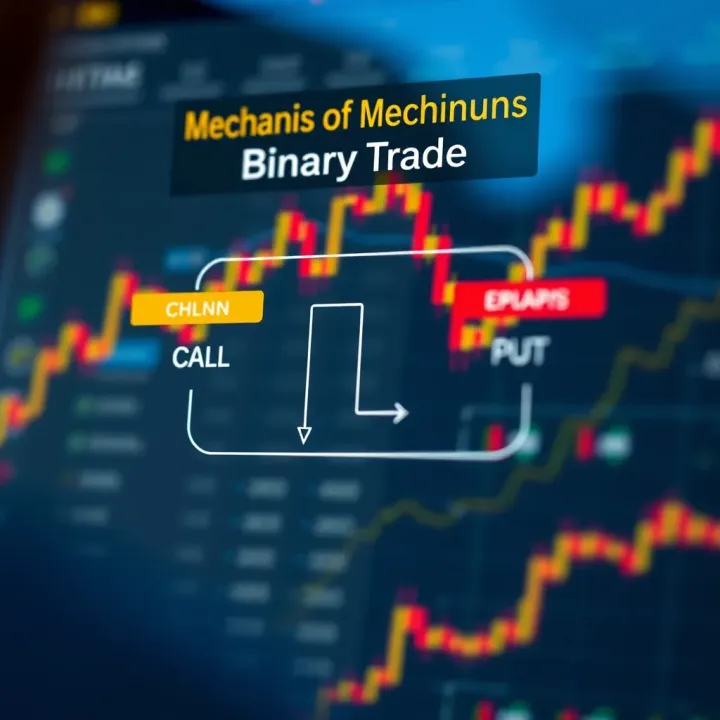
🔍 Understand binary trade with practical tips for Nigerian investors! Learn how it works, spot risks, and navigate regulations safely for smarter decisions.
📊 Learn how binary brokers work and find tips to choose safe ones in Nigeria. Understand trading mechanics, risks, and regulations to trade wisely.
Find the perfect trading platform in Nigeria 🇳🇬. Compare fees, security, and support to trade confidently, whether you're a beginner or pro 📊💼.
Based on 5 reviews