
Understanding Binary Options Trading in Nigeria
Explore binary options trading in Nigeria 🇳🇬 with practical tips, risks, and legal insights to trade smart and avoid common mistakes. 📈💡
Edited By
Liam Carter
Binary trading, a form of financial trading where you predict whether an asset’s price will go up or down within a short period, has steadily gained interest among Nigerian traders. Given our market’s peculiarities—like naira volatility and irregular power supply—it’s crucial to have reliable tools that simplify analysis and decision-making. Here, TradingView serves as a vital platform, providing clear charts and indicators tailored for both beginners and seasoned traders.
TradingView’s strength lies in its accessibility and depth. Nigerian traders can access real-time data on Forex pairs, commodities like oil and gold, and stocks listed internationally. This is especially useful because local brokers offering binary options often source assets from global markets. For example, analysing the USD/NGN exchange rate movements on TradingView helps traders spot short-term trends, giving them an edge when placing trades.
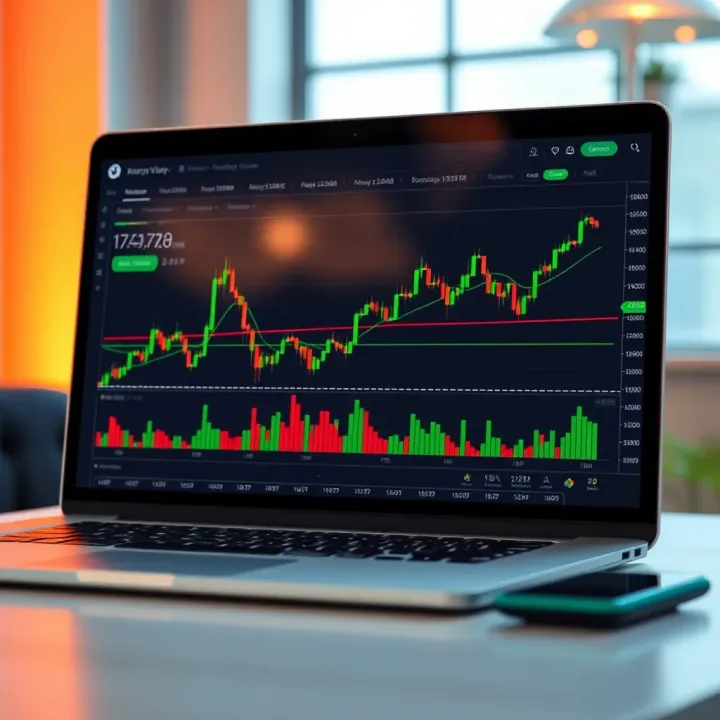
To start, traders should focus on core features such as:
Candlestick charts: Offer visual insight into price movements over minutes or hours.
Technical indicators: Tools like RSI (Relative Strength Index) and Moving Averages help identify potential entry and exit points.
Drawing tools: Mark support and resistance levels, which are key for binary trade timing.
Using TradingView effectively means combining these features to develop a strategy that matches your trading style and risk appetite.
For Nigerian traders, practical application means using local knowledge alongside the platform’s global perspective. For instance, during the ember months when naira depreciation often worsens, using TradingView to track USD/NGN fluctuations can inform safer bet timing. Plus, given common internet connectivity issues, saving charts offline or planning analysis during times of stable network can prevent rushed decisions.
Ultimately, TradingView helps remove guesswork by presenting clear data and flexible tools. Nigerian binary traders who commit to learning the platform can improve accuracy, manage risks better, and build confidence in their trades even amidst market unpredictability.
Binary trading has quickly become a popular choice among Nigerian traders looking for a straightforward way to engage with financial markets. Its appeal lies in simplicity: predicting whether an asset's price will rise or fall within a fixed period. This introductory section sets the foundation by explaining binary trading’s core mechanics and how the analytical platform TradingView can enhance decision-making. Understanding these basics is vital before diving into strategy development or risk management.
Binary trading involves placing a bet on the direction of an asset’s price within a set time frame, typically short—ranging from minutes to a few hours. Unlike traditional trading that profits from the amount by which price changes, binary trading offers a fixed payout or loss. Essentially, if your prediction about the market direction is correct, you earn a predetermined return; if wrong, you lose your stake. This simple up-or-down approach attracts traders who prefer clear outcomes without the complexity of managing multiple variables.
For Nigerian traders, binary trading is accessible with minimal capital and straightforward platforms. It suits those who want quick results without tracking complicated charts or long-term trends. However, it demands accuracy in timing and price movement predictions, which makes good analysis tools indispensable.
In Nigeria, binary trading often focuses on popular assets like forex pairs (USD/NGN, EUR/USD), commodities (crude oil, gold), and major equities listed on international exchanges. Forex pairs remain dominant because of their liquidity and constant market activity, allowing trades at almost any time. Commodities like crude oil are relevant given Nigeria’s economic dependence on oil exports, meaning local news and policies can quickly affect prices.
Some traders also turn towards indices like the S&P 500 or currency pairs involving the British pound or Euro, which Nigeria’s traders follow closely due to economic ties. Understanding these underlying assets helps traders spot volatility and news events that can influence outcomes, tailoring their binary trading strategies to the Nigerian market landscape.
TradingView has gained traction among Nigerian traders because it provides real-time market data and powerful charting tools accessible via desktop or mobile. Its user-friendly interface offers multiple chart types, technical indicators, and drawing tools that let traders spot trends and price patterns efficiently. Crucially, TradingView supports social networking where users share trade ideas and scripts, fostering a local community learning environment.
Moreover, TradingView's free access to major market data enables traders without expensive subscriptions to keep up with market movements. Features like watchlists, news feeds, and alert systems can be customised to track assets relevant to Nigerian traders, improving responsiveness to market changes.
Although TradingView is not a trading platform itself, it complements binary trading by providing in-depth technical analysis essential for timing trades in binary options. Traders can set alerts on critical price levels, watch for signals generated by indicators like RSI or MACD, and study candlestick patterns to predict price direction.
For example, a trader spotting an overbought condition on RSI on crude oil charts can anticipate a price drop and position a binary trade accordingly. This integration between analysis and execution tools helps Nigerian binary traders make informed decisions, reducing guesswork and improving their chances of profit.
Using TradingView effectively provides Nigerian traders a qualitative edge, blending local market context and global technical analysis for smarter binary trading.

TradingView stands out as a solid platform for Nigerian traders focusing on binary trading because it offers in-depth, real-time charts and tools that simplify market analysis. In the fast-paced world of binary options, where decisions hinge on short-term market moves, using precise charts and timely indicators on TradingView can give you an edge. The platform's wide range of assets, including forex pairs and commodities popular in Nigeria like crude oil and gold, lets traders spot good entry and exit points with more confidence.
Candlestick charts form the backbone of market visualisation on TradingView, and they are especially useful for binary trading. Unlike simple line charts, candlesticks provide detailed information about price action within specific time periods, revealing open, close, high, and low prices. This information helps traders read market sentiment quickly—whether bulls are in control or bears have taken over. For example, a long wick on a candlestick might indicate price rejection at a certain level, signalling a possible reversal. Nigerian traders often find that spotting these patterns early can improve timing on binary options trades, which typically last from a few minutes to an hour.
Indicators like the Relative Strength Index (RSI), Moving Average Convergence Divergence (MACD), and Bollinger Bands complement candlestick charts by adding layers of analysis. RSI helps gauge overbought or oversold conditions—an RSI above 70 could warn of a price pullback, useful when trading short-duration binary contracts. MACD, meanwhile, highlights momentum shifts through signal line crossovers, helping you anticipate trend changes. Bollinger Bands track price volatility and provide dynamic support and resistance levels; when prices break above the upper band, it may suggest a strong upward move, but it could also hint at overheating. Using these indicators in combination improves decision-making, reducing the risks of relying on single signals.
TradingView's alert system is handy for Nigerian traders who can't constantly monitor screens amid daily hustle. Custom alerts let you set conditions based on price action or indicator behaviour, such as RSI crossing below 30 or MACD signal line crossover. When these conditions are met, notifications come directly via email, SMS, or the app, prompting timely trades. This feature prevents missed opportunities in the volatile Nigerian market where sudden price swings happen, especially during ember months when oil prices fluctuate significantly due to global demand and local uncertainties.
Some Nigerian binary trading platforms allow integration of signals generated on TradingView. This setup means you can receive automatic alerts on your preferred platform, streamlining the trade execution process. For instance, if a MACD crossover signals a buy opportunity on TradingView, a compatible platform can notify you to place a CALL option immediately. This integration cuts down reaction time and helps maintain discipline, important in binary trading's all-or-nothing environment. While not all platforms support direct integration, combining manual alert monitoring with fast execution already improves trading effectiveness significantly.
Using TradingView properly means combining the right charts, indicators, and alerts to make informed binary trading decisions, especially in the fast and often unpredictable Nigerian market.
In essence, mastering TradingView’s analysis tools helps Nigerian traders stay ahead, minimise guesswork, and pick better binary trading opportunities amidst local market fluctuations.
Creating and testing your binary trading strategies on TradingView is a potent way to improve your decision-making and increase the chances of success. For Nigerian traders, where market conditions can be unpredictable due to factors like naira volatility and irregular global influences, having a well-tested strategy tailored specifically for binary options trading is crucial. TradingView provides tools that make strategy creation accessible and testing straightforward without risking actual funds.
Pine Script is TradingView's own programming language designed for developing custom indicators and trading strategies. For beginners, it might seem technical at first, but the language is quite user-friendly compared to more complex coding languages. The key is understanding how to instruct the script to identify entry and exit points based on your preferred technical indicators or price movements.
Using Pine Script, you can build simple rules like "Buy when RSI falls below 30 and Sell when RSI rises above 70." This basic example helps identify oversold and overbought conditions—a useful tactic for binary trading where timing matters dramatically. Because Pine Script is integrated into TradingView, you can immediately test and refine these strategies using the platform’s charting tools.
Small steps, like adjusting the RSI thresholds or incorporating additional indicators such as Bollinger Bands, help refine the strategy to suit the dynamic Nigerian market environment. For instance, during periods of high forex volatility, strategy parameters can be set more conservatively to reduce false signals.
Backtesting means running your trading strategy on historical market data to see how it would have performed. TradingView simplifies this by allowing traders to apply their Pine Script strategies to past price data instantly. This helps identify if a strategy would have yielded profits or losses in different market conditions without actual risk.
For example, a Nigerian trader could backtest a simple RSI-based binary options strategy on the NSE All-Share Index historical data between 2022 and 2023. This exercise shows how the strategy performs during market dips and rallies, revealing strengths and weaknesses.
Interpreting backtest results is equally vital. Metrics like win rate, profit factor, and maximum drawdown help you judge if a strategy fits your risk appetite and trading style. Note that binary options usually have a fixed payout, so even a modest win rate with good risk management can be profitable. Backtesting also exposes flaws, such as frequent false signals or poor timing, prompting further strategy refinement before real trading.
Remember, no strategy guarantees profit. Testing and tweaking continuously on TradingView is your best bet to staying ahead in Nigeria's fast-moving binary trading market.
In summary, developing strategies in Pine Script and running backtests on TradingView equips Nigerian traders with a solid foundation to trade binary options confidently. It blends technical analysis with practical data and helps avoid guesswork, which is vital in a market where every naira counts.
Trading binary options involves a significant level of risk, especially in volatile environments like financial markets in Nigeria. Proper risk management is vital to preserve capital and make informed decisions. TradingView provides tools that help traders identify patterns, spot trends, and set alert systems that can reduce guesswork and improve strategy reliability.
Market volatility and unpredictability can quickly turn potential profits into losses. For example, sudden news about oil prices or Central Bank of Nigeria (CBN) monetary policy changes can cause sharp swings. In binary trading, where contracts often expire within minutes or hours, such volatility means timing and understanding market momentum become essential to avoid losses.
Moreover, the limited timeframe on many binary trades means there's little room for error. A naive trader might misinterpret a price spike or dip as a trend reversal when it's just noise, leading to premature trade entries or exits.
Risks specific to Nigerian financial markets add another layer of complexity. The naira’s volatility against major currencies like the dollar or euro can affect traders focusing on forex binary options. Also, issues like inconsistent power supply and internet connectivity in many Nigerian cities can disrupt real-time data access and trade execution. Not to mention sometimes irregularities in local market regulations or delayed economic data releases, which can catch traders off guard.
Trend analysis and confirmation techniques on TradingView provide a way to reduce exposure to risky trades. Traders can use tools such as moving averages to confirm whether a market is genuinely trending before entering trades. For instance, if the price is above a 50-period moving average and crossing the 200-period moving average from below, this could signal a bullish trend suitable for a call option.
Confirmation helps avoid entering trades on false signals, a common pitfall in binary trading. By waiting for two or more indicators to agree on market direction, traders can improve their chances.
Combining multiple indicators for better decisions is another practical approach. Relying on a single indicator might be misleading, but using resources like Relative Strength Index (RSI) with Bollinger Bands can show if an asset is overbought or oversold, giving clues on when to place binary trades. For example, an RSI below 30 with the price touching the lower Bollinger Band might indicate a good time to consider a call option.
TradingView lets users overlay these indicators easily and customise alerts so you don’t miss signals. Regularly analysing multiple indicators together sharpens decision-making and helps navigate unpredictable markets.
Remember, no tool guarantees profits, but controlling risk and understanding market signals increases your odds. Frequent practice on TradingView’s test environments can save you from costly mistakes, especially in Nigeria’s dynamic trading scene.
TradingView offers Nigerian traders a reliable gateway to better understand and navigate binary trading markets. Applying practical tips is vital because the Nigerian market has unique characteristics—from currency volatility to regulatory nuances—that affect trading success. By combining local insight with TradingView's powerful tools, traders can avoid common pitfalls and enhance their decision-making.
Choosing the right binary trading platform in Nigeria requires attention to multiple factors. First, the platform must be licensed by relevant Nigerian authorities such as the Securities and Exchange Commission (SEC) or registered with financial institutions recognised by the Central Bank of Nigeria (CBN). Regulatory compliance helps protect against fraud and ensures transparency in transactions. Another important criterion is the ease of funding and withdrawal in Nigerian Naira (₦), given the fluctuating naira-dollar exchange rate and occasional forex restrictions.
Additionally, support for seamless integration with TradingView is essential. Platforms that allow data syncing or signal sharing with TradingView charts offer Nigerian traders a smoother experience when making time-sensitive trades. Good customer service and mobile-friendly interfaces also add practical value, especially for traders who rely on smartphones.
Among popular binary trading platforms compatible with TradingView insights, Olymp Trade and IQ Option stand out. Both platforms offer extensive charting tools and permit traders to apply TradingView techniques directly. Nigerian users benefit from these platforms' support for local deposit methods, including bank transfers and mobile money wallets, which simplify handling funds amid local banking challenges.
Understanding Nigerian economic indicators can significantly improve binary trading outcomes. Indicators such as inflation rates, CBN monetary policy decisions, Nigeria’s GDP reports, and crude oil price trends often affect market sentiment and asset prices. For example, a sudden change in fuel subsidy policy usually impacts the naira's value and can cause short-term volatility in forex pairs on TradingView charts.
By keeping an eye on these local economic factors, traders can better interpret TradingView signals, reducing reliance on indicators alone. Times of political events, such as general elections or budget announcements, also tend to sway markets unpredictably, so adjusting trading frequency during these periods helps manage risk.
Adjusting strategies to local conditions means tailoring technical analysis to fit Nigeria’s often volatile markets. For instance, using shorter timeframes on TradingView might be better during periods of heightened uncertainty to avoid holding positions too long. Likewise, combining global indicators like RSI or MACD with Nigeria-specific news can offer a fuller picture.
Nigerian traders who blend TradingView’s technical strengths with sharp local insight often find themselves one step ahead in binary trading. It’s about reading between the charts and understanding what’s driving price moves in the Nigerian context.
In summary, success in binary trading using TradingView comes down to selecting trustworthy platforms, incorporating local economic insight, and adapting strategies to Nigeria’s particular market rhythms. This practical approach helps traders turn data into profit while staying mindful of local challenges and opportunities.
Explore binary options trading in Nigeria 🇳🇬 with practical tips, risks, and legal insights to trade smart and avoid common mistakes. 📈💡
📊 Explore binary option trading in Nigeria with practical tips, key strategies, risks, and regulations to trade smarter and safer in this fast market.
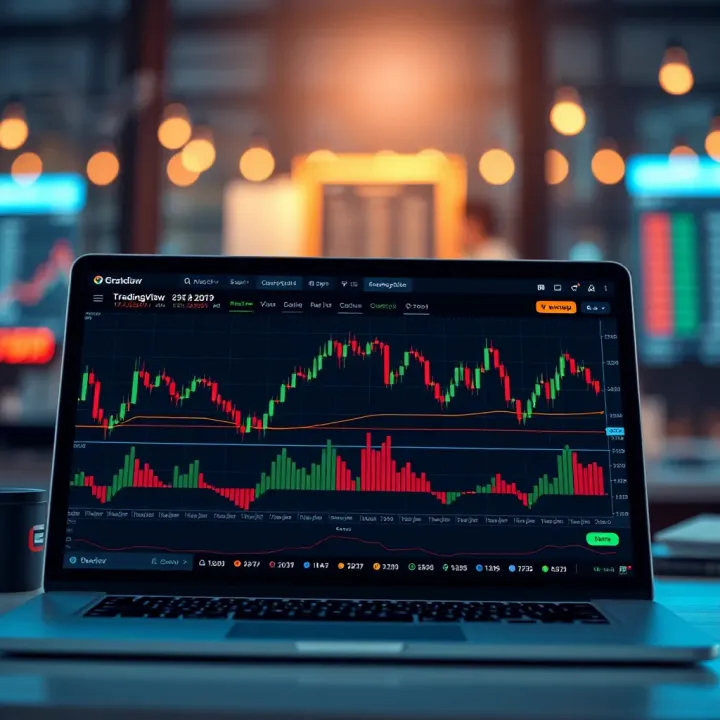
Learn how to combine Deriv binary options with TradingView charts 📈 for smarter trades in Nigeria. Get practical tips, strategies, and risk advice to boost your trading game.
Discover practical steps for crypto trading in Nigeria 🇳🇬, key strategies, risks, and legal tips to trade safely on platforms like Binance, Luno, and more 💰📈
Based on 11 reviews