
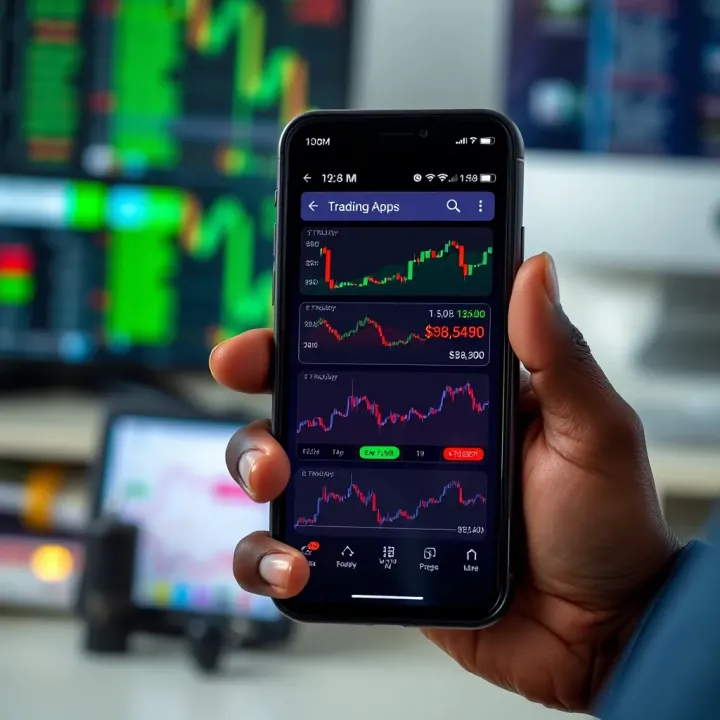
Best Trading Apps for Nigerian Investors
Discover how to pick the best trading app for Nigerian investors 🇳🇬. Compare features, fees, and security to trade confidently and grow your investments 📈.
Edited By
Grace Morgan
Choosing the right trading site can save you from a mountain of hassle and losses, especially here in Nigeria where the online investing landscape is still growing fast. It's not just about finding a platform that lets you buy and sell shares or forex; you need to check if it suits Nigerian traders in terms of accessibility, fees, and local regulations.
Many Nigerian investors jump straight into popular international platforms like eToro or Interactive Brokers, but these might not always offer the best fit due to high minimum deposits or difficulties withdrawing funds in naira. Conversely, homegrown or Africa-focused platforms such as Chaka, Bamboo, or Trove often provide smoother routes for beginners with lower fees and more relatable customer support.

Before committing your hard-earned naira, it's worth understanding the key factors that separate reliable, user-friendly trading sites from those that could cause more headache.
Here are some critical aspects to focus on when choosing a trading site:
Regulation and Safety: Ensure the platform is licensed by credible bodies (like SEC Nigeria or FCA UK for foreign platforms). This safeguards your investments against scams and fraudulent activities.
Ease of Funding and Withdrawal: Check if the platform supports Nigerian payment methods, such as bank transfers, USSD codes, or popular fintech wallets like Paystack or Flutterwave. Complicated withdrawal processes often trap investors.
Fees and Commissions: Watch out for hidden charges. Some platforms appear cheap upfront but charge fees on withdrawals or inactivity. Transparent fee structures help you plan trading costs better.
User Interface and Tools: A clean, responsive site or app with research tools and charts improves your trading decisions. Some platforms offer learning resources suited to Nigerian market conditions.
Customer Support: Responsive local customer care is a must. You don’t want to wait days or get canned replies when you encounter technical issues or disputes.
The trading world is tough, but a platform that fits Nigerian realities can make all the difference. In the following sections, we will dig into different types of platforms, how to gauge their features critically, and practical tips for avoiding pitfalls specific to our market.
Remember, smart trading starts with picking the right site — so put in the time to research before you dive in.
Understanding the various trading sites available is a key starting point for Nigerian investors seeking to grow their portfolios. These platforms serve as gateways connecting traders to financial markets like stocks, forex, commodities, and cryptocurrencies. Knowing their roles helps investors pick sites suited to their investment goals, whether aiming for long-term growth or short-term gains.
Trading sites simplify access to markets by providing tools and infrastructure. For instance, you can place orders, track market trends, or manage your portfolio from one dashboard. Recognising how each type of platform operates also aids in avoiding scams, especially in an environment where unregulated sites pose risks. That said, appreciating the different platforms lets you navigate the trading world with better confidence and clarity.
Stock trading sites cater to buying and selling shares of companies listed on stock exchanges. For Nigerian investors, platforms like Meristem Online offer access to the Nigerian Stock Exchange (NGX), making it straightforward to trade local equities. These sites usually provide company data, historical prices, and dividend records, vital for making informed stock investments.
Forex trading platforms focus on currency pairs, allowing users to speculate on exchange rate movements. Given Nigeria’s fluctuating naira value, forex trading appeals to investors seeking opportunities in currency markets. Platforms such as FXTM grant access to major pairs like USD/NGN as well as global currencies, delivering real-time rates and leverage options to enhance trading flexibility.
Cryptocurrency exchanges enable buying, selling, and storing digital coins like Bitcoin and Ethereum. Nigerian traders increasingly turn to exchanges like Binance Nigeria and Luno due to the growing crypto enthusiasm. These sites offer wallet services, peer-to-peer trading, and often integrate local payment methods, providing convenient entry points into crypto markets.
Commodity trading sites deal with physical assets like gold, oil, and agricultural products. Though less common locally, some platforms allow Nigerians to invest in commodities futures or ETFs linked to raw materials. This diversifies portfolios and hedges against inflation or naira volatility, especially amid Nigeria’s dependence on crude oil revenues.
Order execution and market access describe how your buy or sell instructions get processed. Good platforms connect you promptly to market makers or liquidity providers, ensuring your orders complete quickly and accurately. For example, stock trading on GTI Securities involves immediate order routing to NGX for same-day confirmation, which is vital during volatile market conditions.
Pricing and spreads refer to the cost differences between buying and selling prices. Tight spreads mean lower transaction costs, crucial for active traders aiming to maximise returns. Forex platforms usually highlight spread percentages on pairs like USD/NGN, while cryptocurrency exchanges show fees clearly before any trade goes through.
Account setup and management involve registering with the platform, submitting identification (such as BVN or NIN), and funding your account. Nigerian investors appreciate seamless onboarding with local payment options like Paystack. Reliable platforms also offer easy portfolio tracking and secure withdrawal features, allowing smooth management of investments without unnecessary delays.
Choosing the right type of trading platform depends on your investment focus and how comfortable you are navigating digital markets. Understanding these basics prepares you to select a site that aligns with your trading style and local realities.
Choosing the right trading site is more than just picking one with flashy adverts. Nigerian investors must focus on vital features that impact daily trading experience and long-term success. These features determine how well you can execute trades, access market data, and manage your investments without unnecessary hassles. Ignoring these could lead to missed opportunities or, worse, losses due to poor platform design or hidden costs.
Web-based versus mobile apps: Most trading sites offer either web-based platforms or mobile apps, and some provide both. For Nigerian investors, the choice depends on convenience and accessibility. A web-based platform lets you trade via any internet browser, which is useful if you sit at a desktop during work hours. However, mobile apps become essential when you are on the move, especially considering Nigeria’s traffic jams and busy lifestyle. Apps from platforms like FXTM and GTI Securities are well-optimised for mobile use, making it easy to track prices or execute trades during down times.
Ease of navigation and execution speed: In trading, every second counts. Platforms that have cluttered interfaces or slow response times can cause you to miss crucial trades, especially in volatile markets like forex or cryptocurrency. A clean, intuitive interface with fast order execution is a must. For instance, Meristem Online is praised for its simple design and quick trade processing, which can be the difference between profit and loss.
Real-time charts and analytical tools: Access to accurate, real-time data is non-negotiable for smart trading decisions. Platforms that provide rich charts, technical indicators, and live market updates empower you to spot trends early. For example, Binance Nigeria offers detailed cryptocurrency charts, while GTI Securities provides comprehensive stock market analysis. Without proper charts and tools, you might be navigating the market blindfolded.
Educational materials and market news: Having educational content and up-to-date market news integrated into the platform can boost your trading skills and keep you informed of local and global events affecting asset prices. Some sites include tutorials, webinars, or even live newsfeeds. These resources are particularly valuable for beginners or those switching from traditional to online trading environments.
Charge structures for different assets: Trading fees vary widely between stocks, forex, crypto, and commodities. Some platforms charge flat fees per trade, while others take a percentage or rely on spreads. Knowing these charges upfront helps you avoid surprises. For example, FXTM offers competitive spreads on forex but charges slightly higher commissions on stock trades. Transparent fee structures enable you to calculate costs clearly and trade more profitably.
Deposit and withdrawal methods suitable for Nigerians: Ease of moving money in and out of your trading account is essential. Platforms that support local deposit methods like Paystack, Flutterwave, or direct bank transfers save you from currency conversion headaches or frustrating delays. Withdrawal options that allow you to receive naira directly to your local bank save time and avoid expensive forex charges. Platforms failing in this area risk losing users who often have no time or patience for complicated payment procedures.
Careful attention to these features will streamline your trading experience and shield you from costly mistakes. Whether you trade stocks, forex, or crypto, prioritise platforms that combine user-friendly design with strong research tools and transparent fees adapted to the Nigerian context.
When selecting a trading platform, safety and trust are non-negotiable. Nigerian investors must prioritise platforms regulated locally and internationally to safeguard their funds and data. Without clear oversight, users risk falling victim to fraudulent schemes or poor operational standards.
Local regulators like SEC Nigeria play a vital role in maintaining market integrity. The Securities and Exchange Commission (SEC) Nigeria supervises all licensed stockbrokers, forex dealers, and investment firms operating within the country. A platform registered with SEC Nigeria is obligated to comply with Nigerian financial laws, which helps protect investors against malpractice and ensures dispute resolution channels. For instance, SEC’s oversight ensures that Nigerian brokers maintain minimum capital requirements and adhere to customer fund handling rules.
On the other hand, international regulators add an extra layer of credibility, especially for global platforms accessible in Nigeria. Bodies like the Financial Conduct Authority (FCA) in the UK or the US Securities and Exchange Commission (SEC) impose strict standards on their registrants. When a platform is regulated by such entities, it often means enhanced transparency, regular audits, and reliable customer protection mechanisms. Many Nigerian investors prefer international brokers regulated by these agencies to tap into global markets while enjoying layered regulatory safety.
Encryption and two-factor authentication (2FA) are fundamental for protecting user accounts. Encryption scrambles data so neither hackers nor third parties access sensitive information during transmission. Two-factor authentication adds a second security step, usually a time-sensitive code sent to your phone or email besides your password. These measures reduce risks of account hacks, a growing concern given Nigeria’s rising cybercrime rates. Platforms without these protections should be avoided.
Apart from digital safeguards, fund segregation and insurance policies also build trust. Fund segregation means client money is kept separate from the broker’s operational funds, preventing misuse even if the platform faces financial trouble. Some reputable platforms go further by having insurance policies that cover client losses from unforeseen events, like bankruptcy or fraud. Knowing your funds are protected this way offers peace of mind when investing.
Watch out for red flags to avoid scams and frauds. These include unrealistic promises of guaranteed returns, lack of clear contact information, or refusal to provide licensing details. Platforms demanding suspicious upfront fees or pressuring investors to deposit large sums quickly should raise alarms. Also, poor website design with broken links and unresponsive pages often signal lack of professionalism or fraudulent intents.
Finally, customer support quality and responsiveness matter a great deal. Reliable platforms offer multiple communication channels—live chat, email, phone—with quick response times. They answer queries transparently and provide supportive resources for beginners. In contrast, platforms leaving users hanging or offering vague feedback during withdrawal requests usually lack credibility.
Always verify a trading platform’s regulatory status and security measures before committing funds. This protects you not only from scams but also from losing access to your investments due to poor management or sudden shutdowns.
By focusing on these safety, regulation, and trust factors, Nigerian investors can choose trading sites that align with their security expectations and trading goals while navigating the local challenges effectively.
Understanding the Nigerian market context is essential for investors when choosing trading sites. The local economic conditions, especially naira fluctuations and payment systems, heavily influence trading experiences and outcomes. Without accounting for these specifics, even a well-regarded platform may not serve your needs effectively in Nigeria.
Managing exchange rate risks is one of the biggest challenges Nigerian traders face. The naira’s value against major currencies like the US dollar can shift quite fast, sometimes severally within a short span. This volatility affects the cost of buying foreign assets or cryptocurrencies directly priced in dollars. Traders must keep an eye on the exchange rate and may use strategies such as setting stop-loss limits or using stablecoins pegged to the naira where possible to mitigate sudden losses.
Platforms offering NGN trading pairs ease this burden. These sites allow you to buy and sell assets directly using naira, avoiding constant conversions. For example, platforms like Luno or Rain support naira deposits and trading pairs, making it more straightforward for Nigerian investors to engage without frequent exposure to FX risks. Choosing such platforms reduces the friction and hidden costs caused by currency exchange, benefitting traders especially when the naira dips against the dollar.
Local payment gateways like Paystack and Flutterwave play a critical role in smoothing deposits and withdrawals. They integrate seamlessly with many Nigerian banks and mobile money services, ensuring quick transfers without exorbitant fees. Using trading sites that partner with these gateways guarantees convenient payment processes, which is essential given the often unpredictable banking hours and occasional restrictions on international transfers.
Ease of depositing and withdrawing naira directly affects your liquidity and trading agility. Many global platforms still rely on USD or other major currencies, meaning Nigerian users face delays and extra charges converting naira through third parties. Platforms designed with Nigerians in mind offer multiple funding options via bank transfers, USSD payments, or even card payments through partners like OPay. When selecting a trading site, prioritise how simple it is to move naira in and out of your trading account to avoid funds locking up unexpectedly.
Managing data costs and connectivity issues is a daily reality for many traders, especially outside major cities. High data prices and intermittent access can slow down transactions or crash apps during volatile market moves, causing losses. It’s crucial to pick trading platforms that use minimal data and keep connections stable, especially during peak trading hours.
Platforms optimised for Nigerian internet speeds take this into account by offering lightweight mobile apps or web versions that load quickly over 3G or lower broadband. For example, some platforms reduce real-time data refresh rates or compress charts without sacrificing accuracy. This responsiveness ensures traders in places like Ibadan or Enugu can stay competitive without needing premium internet plans, which can be costly during the ember months or off-season.
Traders who overlook these local realities often find themselves frustrated despite good platform features. Balancing platform capabilities with Nigeria’s financial and infrastructure conditions will give you the edge needed to trade smart and safely.
Navigating these Nigerian market factors shifts your trading experience from uncertain to practical, setting a strong foundation for success.
Choosing the right trading site is essential for Nigerian investors to navigate local market challenges effectively. Popular and trusted platforms offer reliability, regulatory compliance, and user-friendly features designed for the Nigerian context. This section highlights leading platforms Nigerians regularly use, focusing on practical benefits like naira support, payment options, and local customer service.
GTI Securities stands out as one of Nigeria’s most accessible stockbroking firms with an online presence. It offers a simple platform catering to retail investors looking to trade equities listed on the Nigerian Stock Exchange (NGX). With a focus on speedy order execution and competitive pricing, GTI Securities appeals to both beginners and experienced traders. Notably, it supports deposits and withdrawals in naira, which is a big plus for avoiding foreign currency conversion costs.
Meristem Online is another popular choice, known for its advanced but user-friendly trading interface. The platform integrates research tools and live market data, making it easier to analyse stock trends on the go. Meristem also offers the flexibility to trade multiple asset classes, including equities and government securities, providing a wider range for portfolio diversification within the local environment.
FXTM (ForexTime) caters primarily to forex traders in Nigeria, delivering a global forex trading experience with localised services. It provides access to major currency pairs as well as commodities and indices. FXTM supports Nigerian traders with convenient deposit and withdrawal methods such as bank transfers and e-wallets, often bypassing naira liquidity issues. The platform also offers educational resources tailored to Nigerian market dynamics.
Binance Nigeria ranks among the largest crypto exchanges globally and offers localised support including naira deposits through Nigerian bank accounts. It caters both to beginner and advanced traders with an extensive range of cryptocurrencies and trading options like futures and staking. Binance’s Nigerian platform aims to tackle local payment challenges while providing strong security features, making it a go-to for crypto-savvy investors.
Luno has built a solid reputation across Africa for its simplicity and focus on accessibility. Luno Nigeria allows users to buy and sell major cryptocurrencies easily and offers straightforward funding options using naira. The app is lightweight and optimised for Nigerian internet conditions, appealing to users in regions with varying connectivity.
Rain is a rising Nigerian-friendly crypto exchange that emphasises compliance with local regulations and Nigerian market needs. It supports quick naira transactions and maintains clear fee structures suited to Nigerian traders. Rain’s efforts to educate the local market on safe crypto practices also contribute significantly to its trustworthiness.
Benefits of local brokers include better understanding of the Nigerian market environment, including naira currency fluctuations, regulatory requirements, and payment methods tailored to local realities. Local brokers often provide customer support in Nigerian English and are more accessible for face-to-face consultations where necessary. This familiarity can reduce friction in account setup and compliance processes.
On the other hand, advantages of international platforms lie in broader market access and diverse asset offerings beyond Nigerian securities. They tend to have more sophisticated trading tools and global market data, which appeal to investors looking to diversify internationally. However, international brokers may pose challenges like currency conversion costs and less direct customer support in Nigeria.
Always weigh your priorities—whether local convenience or global reach—to choose a platform that fits your trading style and objectives.
By focusing on trusted trading sites and understanding the benefits of local versus international platforms, Nigerian investors can navigate trading opportunities confidently and effectively.
Discover how to pick the best trading app for Nigerian investors 🇳🇬. Compare features, fees, and security to trade confidently and grow your investments 📈.
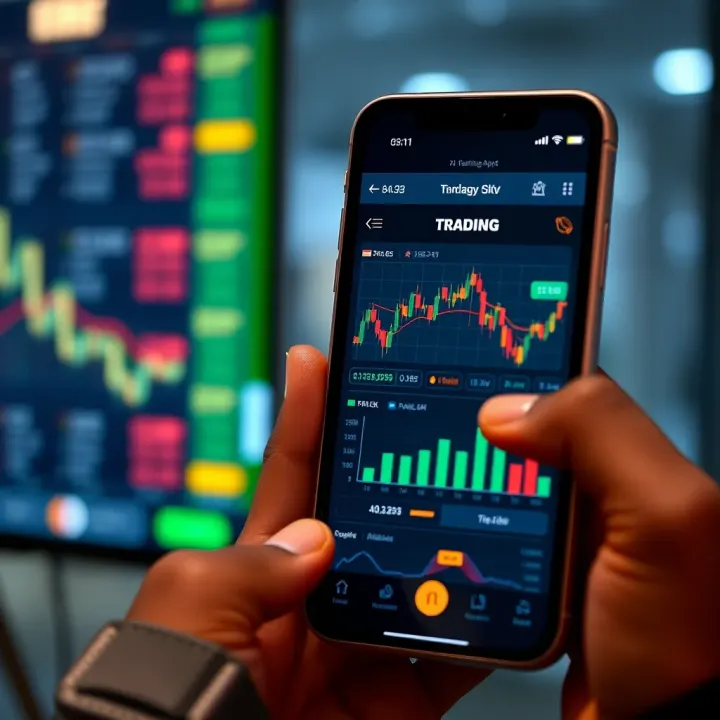
Find the best trading app in Nigeria 🇳🇬 with our guide covering security, fees, usability, market access, and support to trade confidently and safely 💼📱
Find the perfect trading broker for Nigerian traders! Learn about account types, fees, regulation, platforms, and tips to avoid common mistakes 📈💼
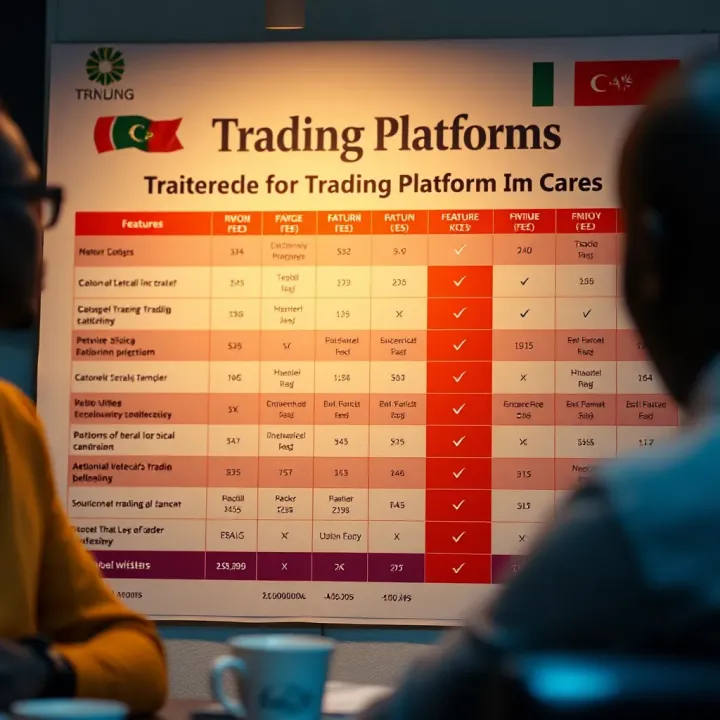
Find the perfect trading platform in Nigeria 🇳🇬. Compare fees, security, and support to trade confidently, whether you're a beginner or pro 📊💼.
Based on 5 reviews